Top leader To Lam concludes state visit to India

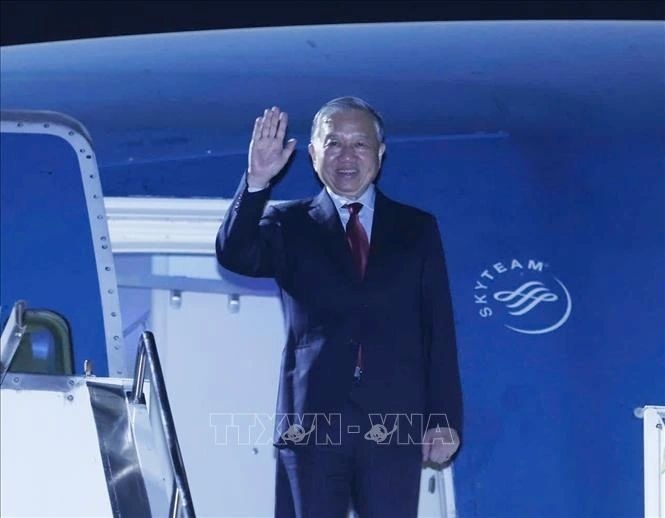
VOV.VN - Vietnamese Party General Secretary and President To Lam concluded his three-day state visit to India on May 7, marking a major upgrade in bilateral ties as the two countries agreed to elevate their relationship to an “Enhanced Comprehensive Strategic Partnership.”
During talks with Prime Minister Narendra Modi and other Indian leaders, both sides agreed to deepen cooperation in trade, investment, technology and strategic industries, while strengthening coordination at regional and international forums.
Economic cooperation was identified as a central pillar of the upgraded partnership. The two countries set a target of raising bilateral trade to US$25 billion by 2030, with a focus on more balanced and sustainable growth. The leaders also agreed to strengthen supply-chain connectivity and remove trade barriers to facilitate market access for businesses on both sides.
Science, technology and digital transformation were highlighted as key drivers of the next phase of cooperation. The two sides pledged to expand collaboration in semiconductors, artificial intelligence (AI), information technology, 6G, health care, critical minerals and peaceful nuclear energy. They also discussed the building of joint innovation ecosystems, including research centres, technology partnerships and startup cooperation.
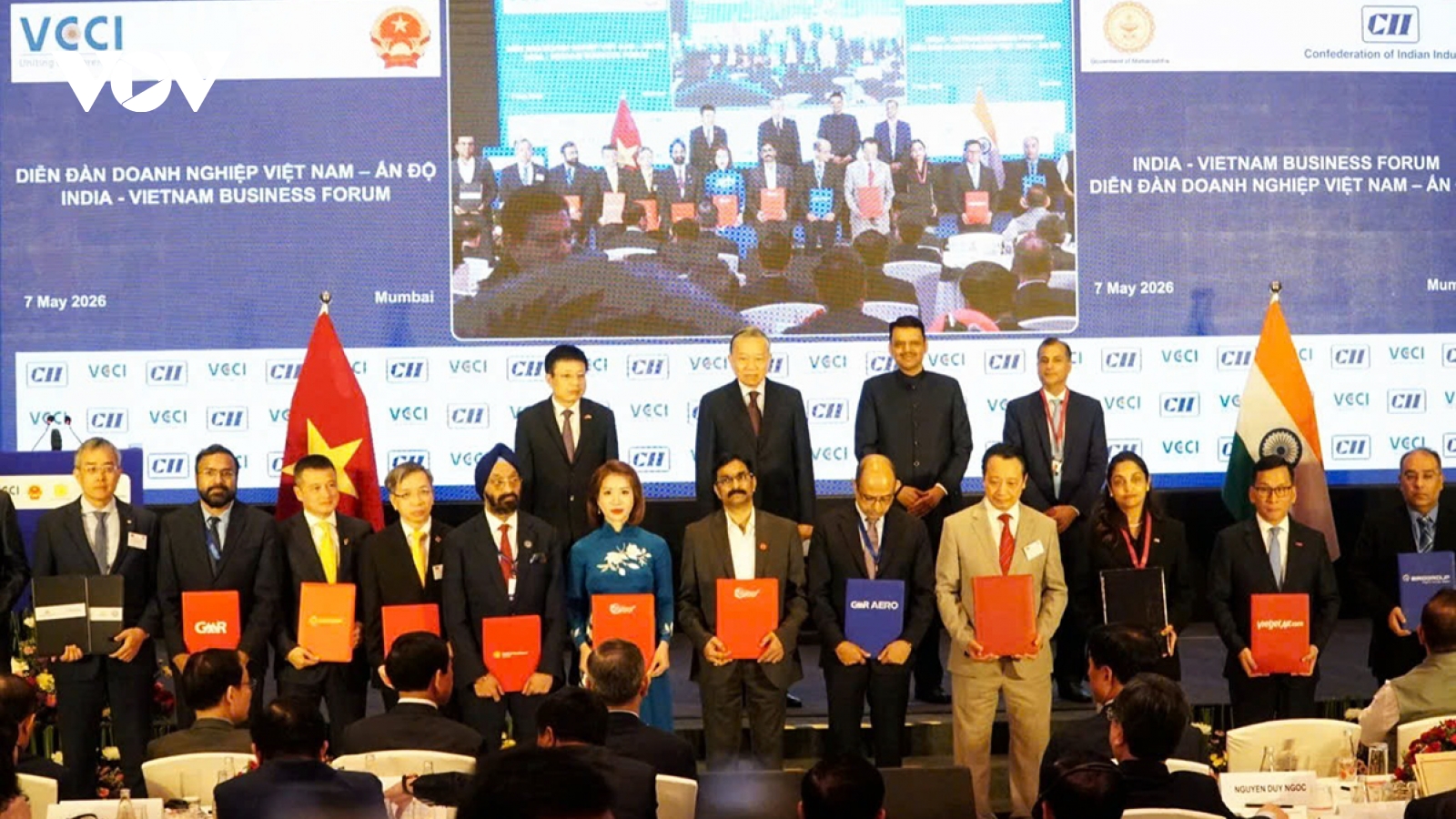
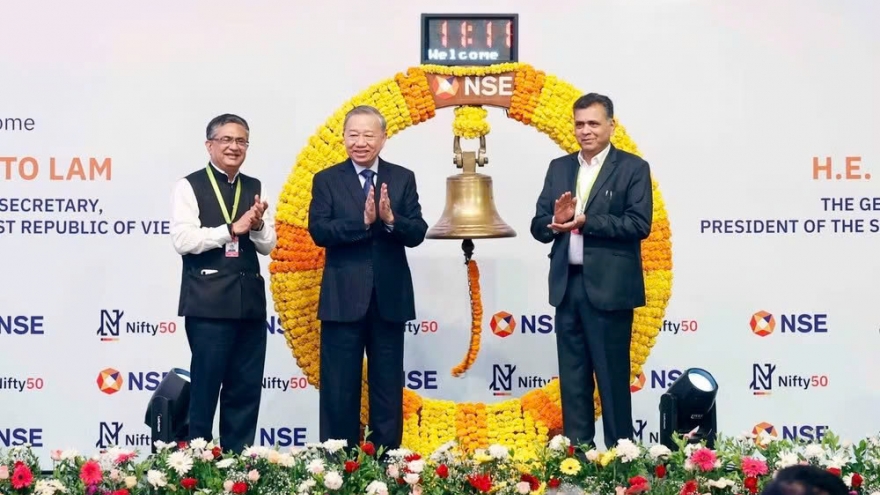
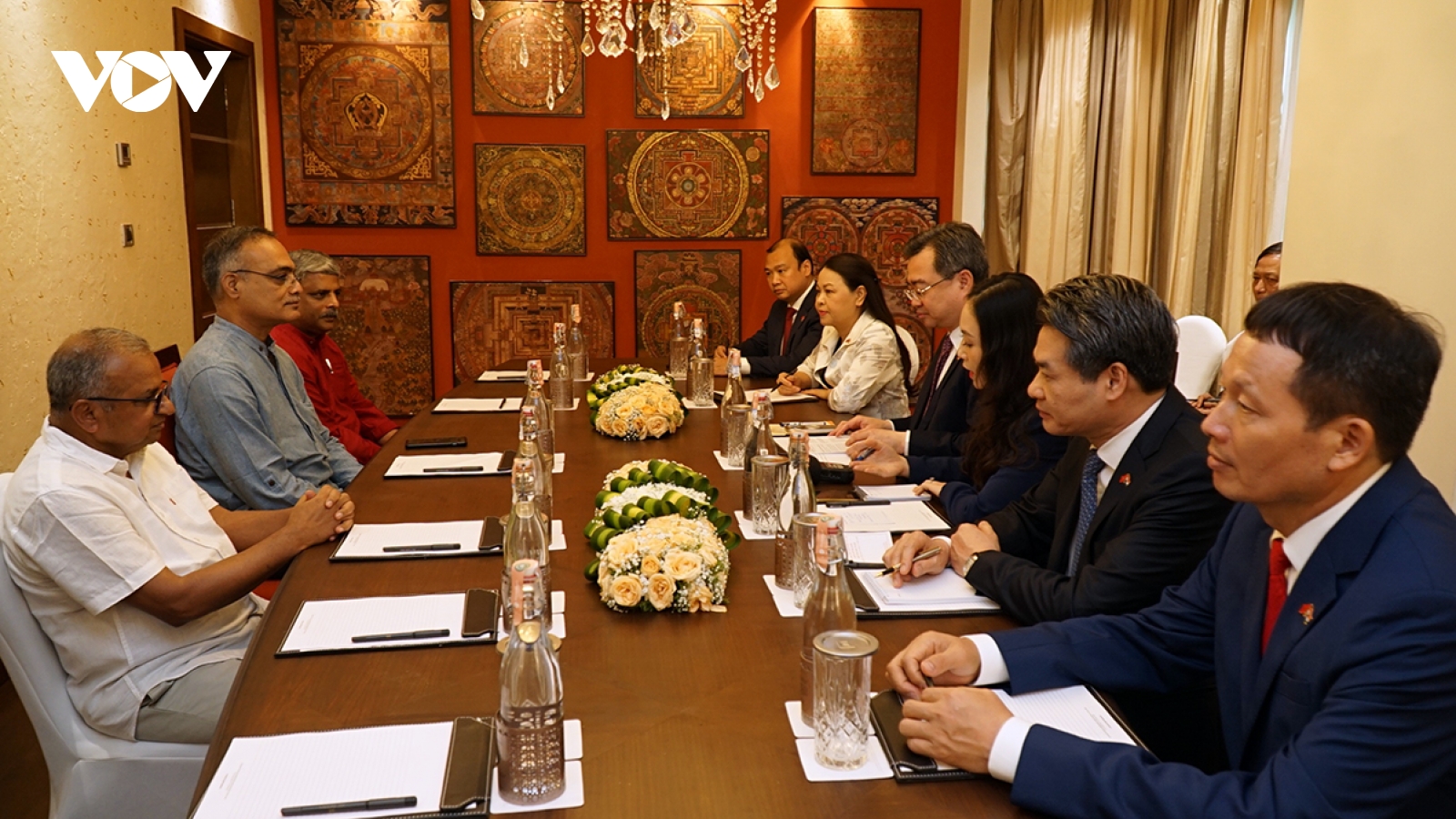
During the visit, Party General Secretary and President To Lam attended business and innovation forums in New Delhi and Mumbai, met Indian state leaders and executives from major corporations in energy, infrastructure and logistics, and rang the opening bell at the National Stock Exchange of India.
Indian and Vietnamese businesses exchanged multiple cooperation agreements covering technology, health care, tourism, finance, cybersecurity, culture and local-level partnerships.
The visit also reaffirmed growing strategic trust between the two countries. Both sides stressed the importance of maintaining peace, stability, freedom of navigation and aviation, and resolving disputes through peaceful means in accordance with international law, including the 1982 UN Convention on the Law of the Sea (UNCLOS).
Over the past decade, bilateral ties have expanded significantly, with trade reaching more than US$16.4 billion in 2025 and cooperation broadening across defence, security, innovation, tourism and people-to-people exchanges.
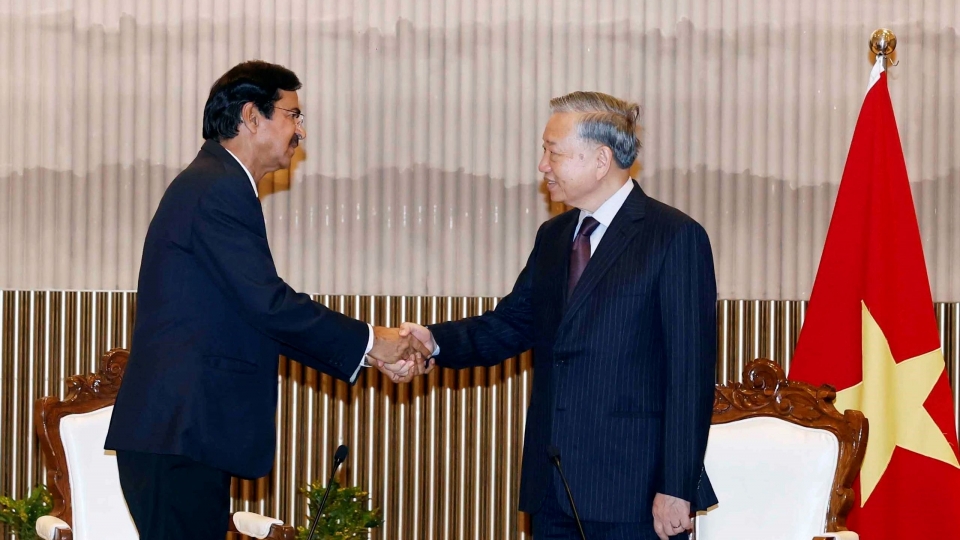
Vietnam calls for expanded India partnership in energy, infrastructure and logistics
VOV.VN - Vietnamese Party General Secretary and State President To Lam on May 7 met leaders of several major Indian corporations in Mumbai, calling for deeper cooperation in energy, infrastructure and logistics as Vietnam accelerates long-term development and connectivity plans.