Vietnam rice export prices recover as Philippine demand returns

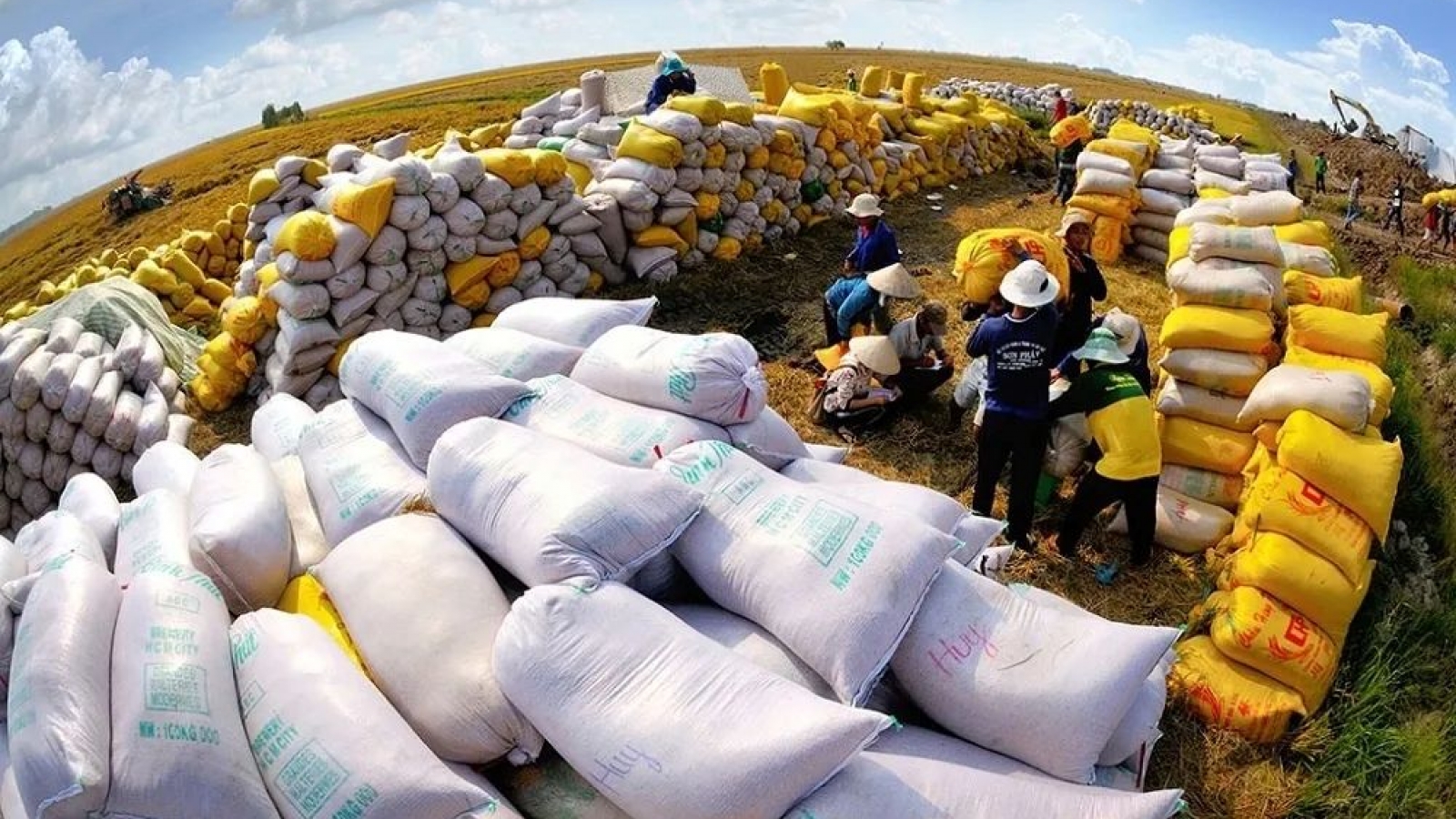
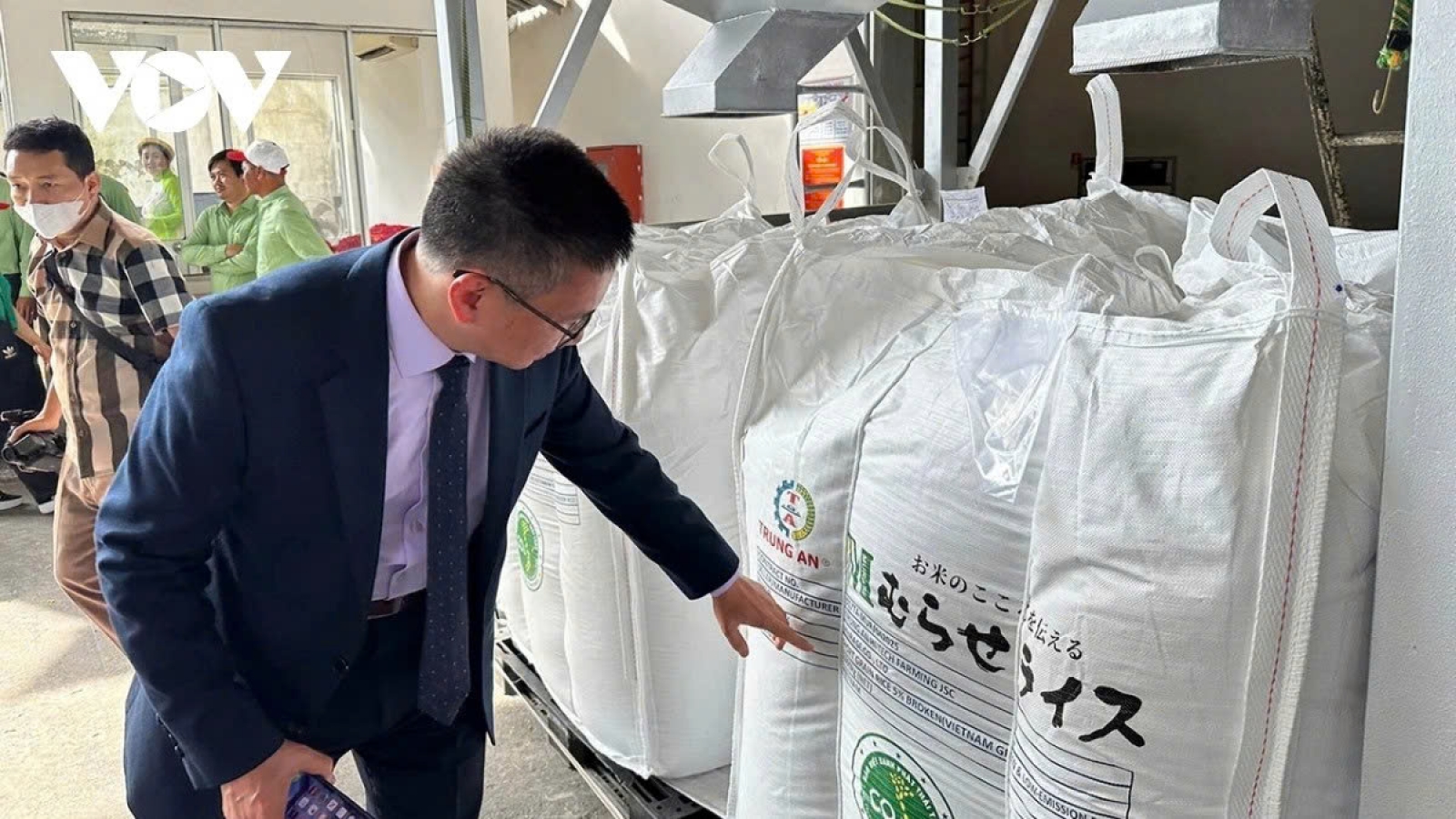
VOV.VN - Vietnam’s rice export prices are rebounding as the Philippines is expected to continue importing around 1.5 million tonnes of Dai Thom 8, a premium Vietnamese fragrant rice variety, through April 2027 at prices of US$460-470 per tonne.
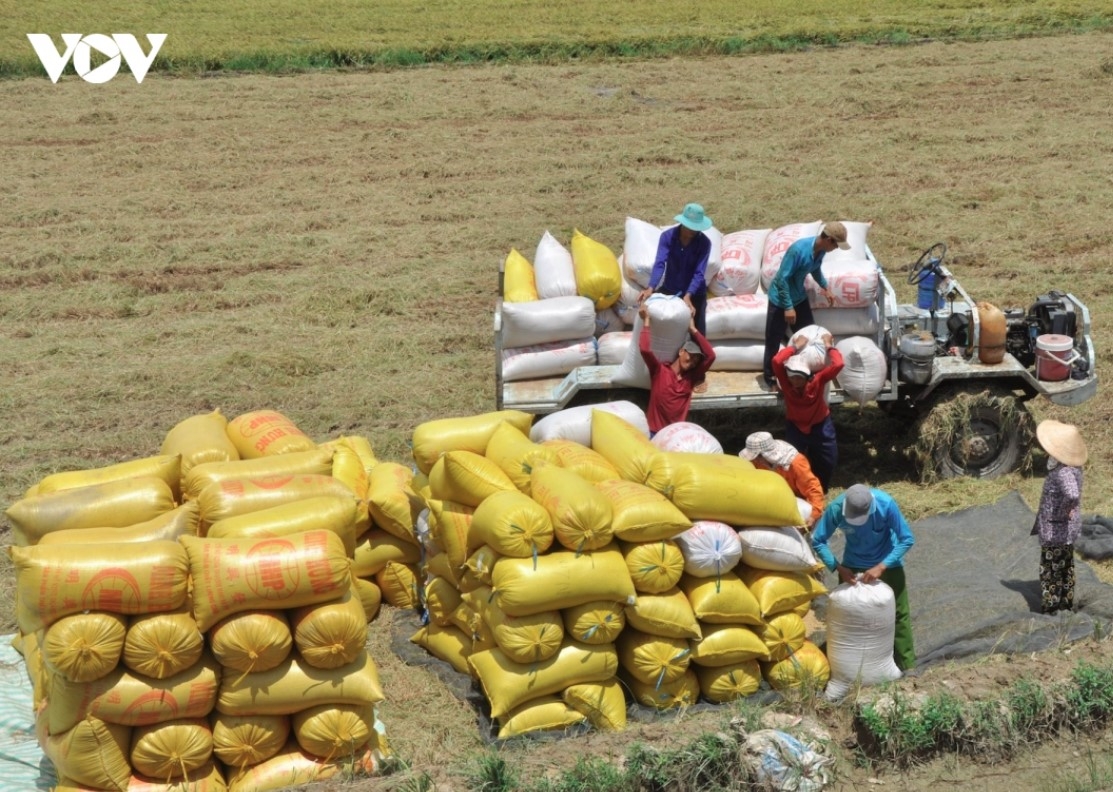
The anticipated purchases are expected to support production planning in the Mekong Delta, helping farmers select rice varieties that better align with market demand.
Tran Truong Tan Tai, CEO of the Vietnam Rice Company (Vinarice) in Dong Thap province, described the Philippines’ renewed demand for Vietnamese rice as a positive sign for the domestic rice sector.
However, he cautioned that the Philippines frequently adjusts its import policies to strike a balance between ensuring food security and protecting the incomes of local rice farmers.
The Philippines continuously calibrates its policies to ensure national food security while maintaining farmers’ incomes, Tai said, adding that Vietnam’s agricultural sector should move away from prioritising output at all costs or maintaining three annual rice crops without considering market supply and demand dynamics.
Le Anh Nam, deputy director of Tan Long Group, pointed out Vietnamese rice export prices have improved compared with levels seen about two months ago. However, he noted that the planned Philippine imports have not yet had a clear impact on the market, as many buyers are still taking delivery under previously signed contracts.
“Dai Thom rice is currently exported at around US$500 per tonne, but many older contracts were signed at only US$460-490 per tonne. Buyers are still prioritising deliveries under those earlier prices,” Nam said.
According to Tran Thanh Hiep, deputy director of the Department of Agriculture and Environment of An Giang province, exporters are concerned about the Philippines’ frequently changing import policies, but improving product quality and building a sustainable rice brand are the key long-term priorities.
“From a local management perspective, we are committed to working alongside businesses and farmers to improve product quality, thereby expanding export opportunities not only to the Philippines but also to many other markets,” Hiep said.
An Giang is accelerating implementation of the government’s plan to develop one million hectares of high-quality, low-emission rice tied to green growth in the Mekong Delta. The initiative is expected to strengthen the long-term value of Vietnamese rice exports.
He suggested that businesses should expand stable raw material zones and strengthen cooperation with farmers to ensure export quality and supply consistency. Authorities will also increase support for granting planting area codes to improve product traceability and meet import market requirements.
“The issuance of planting area codes will increase transparency and build confidence among foreign partners, not only in the Philippine market but also in many other export destinations,” Hiep concluded.
Rice exports poised for recovery amid global supply concerns
VOV.VN - Vietnam’s rice exports slowed in the first four months of 2026, but recovering global demand and growing concerns over tightening supply are creating new opportunities for the country’s rice industry to regain momentum in the months ahead.