Vietnam looks to boost rice exports amid rising costs, global competition

VOV.VN - Vietnamese rice exports in 2026 face both opportunities and challenges due to global market volatility, rising logistics costs, and competition from major exporters such as Thailand, India, and Pakistan, industry insiders.
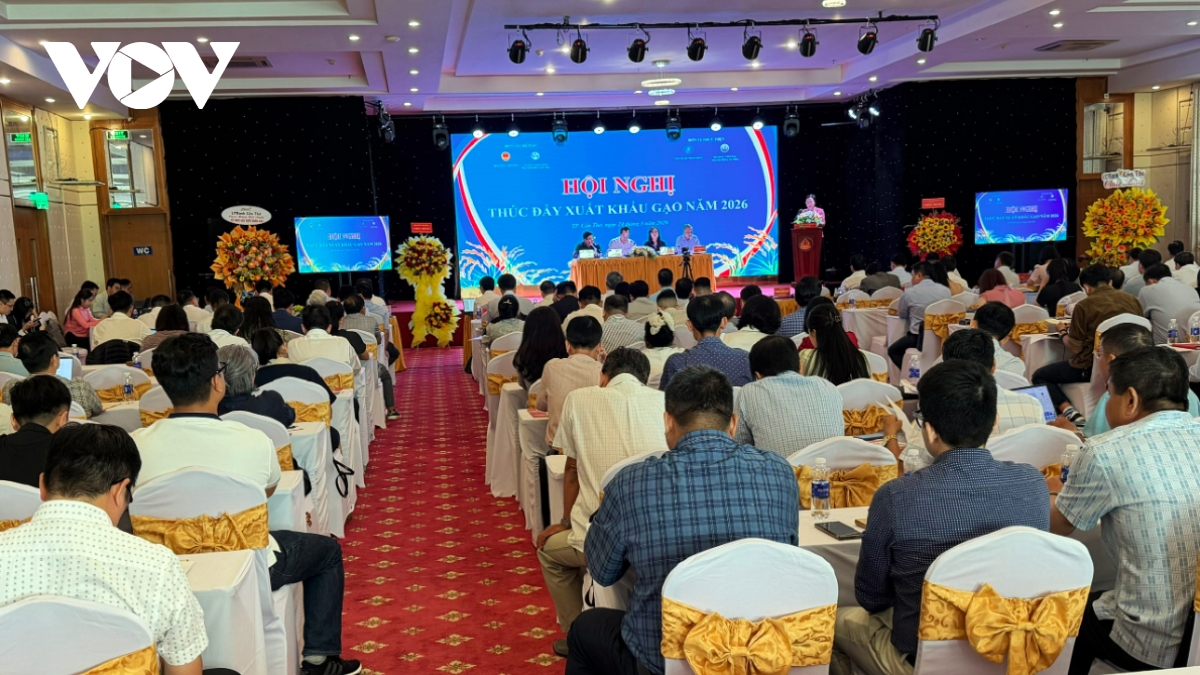
At a rice export promotion conference in Can Tho city on March 24, the Ministry of Industry and Trade, together with local businesses, evaluated the export performance in the first two months and proposed strategies to sustain stable growth.
Rice exports in early 2026: Volume up, prices down
According to the Import-Export Department under the Ministry of Industry and Trade, as of March 15, Vietnam exported approximately 1.74 million tonnes of rice, worth US$826.2 million, with an average export price of US$477.6 per tonne. Compared to the same period in 2025, export volume increased by 2.3%, while export value declined 8.7%, reflecting a 10.7% drop in average export price.
Philippines remained Vietnam’s largest rice market, accounting for 55.86% of total rice exports with 711,264 tonnes, up 30% year on year. China ranked second with 178,165 tonnes, up 143.7%. In contrast, rice exports to West African countries such as Côte d’Ivoire and Ghana declined sharply, by 68.5% and 22.7% respectively.
Beyond traditional markets, Vietnam has begun expanding into more demanding markets such as Japan and Europe, reflecting improvements in rice quality and effective utilization of free trade agreements.
Domestically, the Ministry of Agriculture and Environment estimates rice cultivation for 2026 at 7.09 million hectares, a slight decrease of 36,100 hectares, with production projected at 43.55 million tonnes. About 15.46 million tonnes of paddy, equivalent to 7.73 million tonnes of rice, are earmarked for export, concentrated mainly in the first half of the year.
Challenges from logistics costs and conflicts
Since March 2026, Vietnam’s rice exports have been affected by the Middle East conflict, causing international logistics costs and insurance fees to surge and shipping times to extend by 10–15 days.
Domestically, rising fuel prices have increased rice transportation costs by VND20,000–30,000 per tonne. The shortage of empty containers and frequent shipping schedule adjustments further disrupt deliveries, particularly to markets such as Iraq and the United Arab Emirates (UAE).
Nguyen Anh Son, director of the Import-Export Department, stressed that exporters must carefully review contracts, focusing on logistics clauses, insurance coverage, and force majeure conditions.
Strategies to boost rice exports
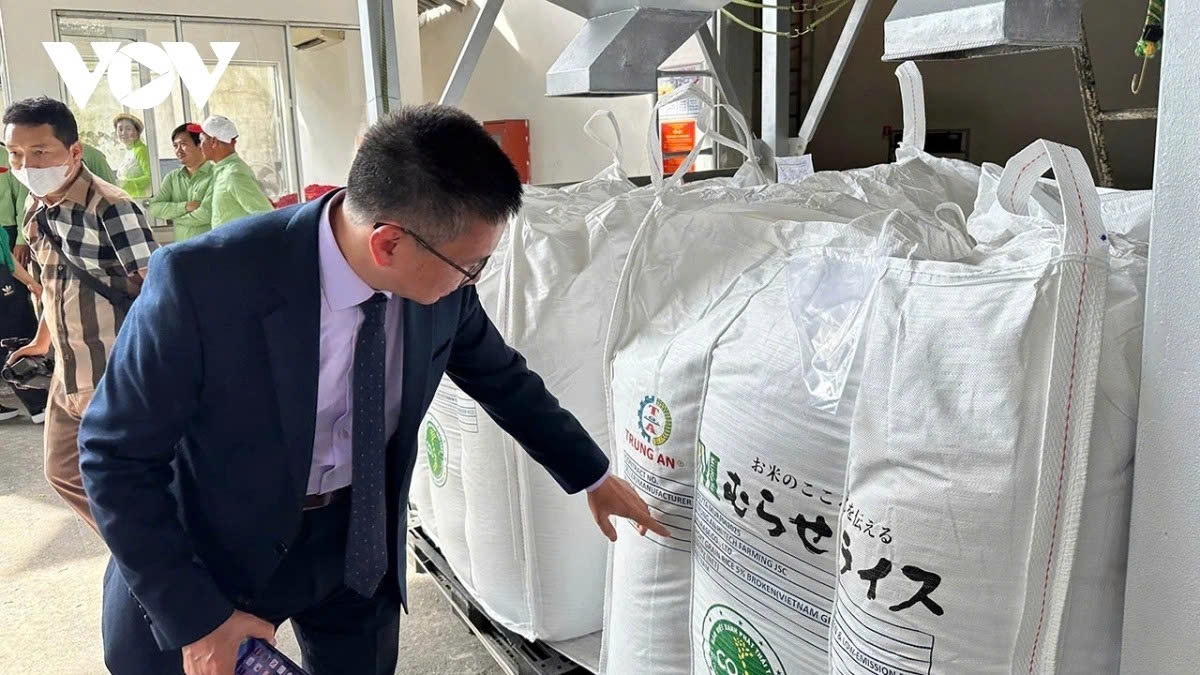
To address market fluctuations, Son suggested that businesses should focus on improving the quality of exported rice and encourage farmers to adopt high-quality rice varieties suitable for demanding markets. Exporters should negotiate with import partners to share risks associated with transportation costs, insurance, and unforeseen events.
The Ministry of Industry and Trade and local authorities were urged to strengthen export management, stabilise domestic rice prices, and fully leverage free trade agreement incentives. Expanding the export of high-value rice types, such as fragrant rice, ST rice, and premium white rice, will help increase export value and enhance Vietnam’s reputation in the global rice market.
Despite challenges from international conflicts, rising costs, and competition from major exporters, Vietnam’s rice exports in 2026 are expected to grow thanks to strong demand from traditional markets such as the Philippines, China, Bangladesh, and select African countries. At the same time, expansion into demanding markets promises to boost rice quality and strengthen Vietnam’s position in the global rice trade.
Vietnam’s rice exports to Senegal surge nearly 30-fold
VOV.VN - Vietnam’s rice exports to Senegal surged nearly 30-fold in 2025, reaching 168,020 tonnes worth US$52.57 million, according to data from Vietnam Customs.