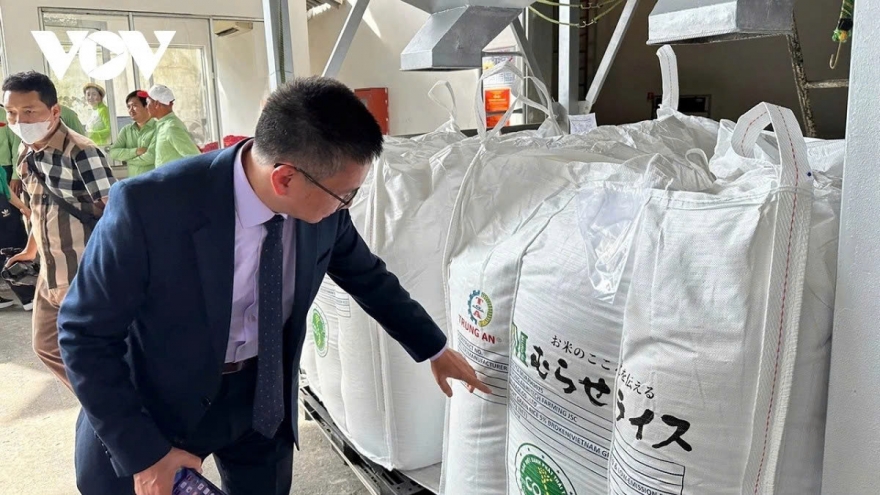
Rice exports poised for recovery amid global supply concerns

VOV.VN - Vietnam’s rice exports slowed in the first four months of 2026, but recovering global demand and growing concerns over tightening supply are creating new opportunities for the country’s rice industry to regain momentum in the months ahead.
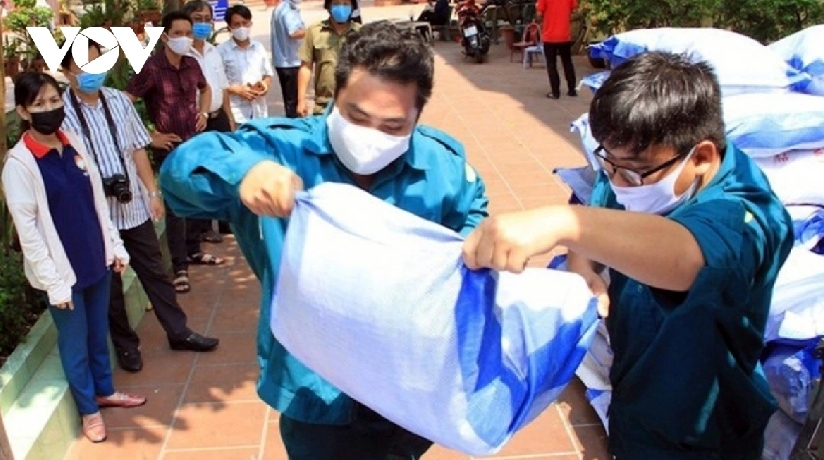
The Vietnam Food Association (VFA) reports that Vietnam exported more than 3.3 million tonnes of rice between January and April 2026, generating approximately US$1.57 billion, down in both volume and export value compared to the same period last year.
According to the VFA, the global rice market is facing increasing supply risks as major producing countries grapple with climate change, rising input costs, and geopolitical instability.
In Asia, the Philippines is experiencing severe heatwaves and potential El Niño impacts, with drought conditions threatening rice production in several farming regions.
At the same time, tensions in the Middle East and concerns over shipping disruptions through the Strait of Hormuz have pushed up fuel and fertiliser prices, increasing production costs across rice-growing countries including Vietnam, Thailand, Indonesia, and the Philippines.
Higher costs have forced many farmers to reduce fertiliser use or scale back cultivation areas due to declining profit margins.
Le Thanh Tung, secretary general of the Vietnam Rice Industry Association, said Vietnam should continue implementing its one-million-hectare project for high-quality, low-emission rice cultivation in the Mekong Delta. The programme aims to reduce chemical inputs, optimise water usage, lower production costs, and improve sustainability in rice farming.
He also suggested expanding ecological rice farming models suited to different regions, including organic shrimp-rice rotation systems in the Mekong Delta.
To mitigate the impact of El Niño, Tung called on localities to urgently review and upgrade irrigation systems, adjust cropping calendars, and convert low-efficiency rice land to alternative crops where necessary. He also stressed the need for stronger support policies to help farmers adapt to market fluctuations and climate change.
Such support, he said, should include easier access to preferential credit for rice production, land consolidation mechanisms in line with legal regulations, and financing for cooperative-based agricultural services such as rice drying, mechanization, and farming support activities.
From the export perspective, VFA Chairman Do Ha Nam said said Vietnam needs to continue removing trade and logistics barriers, especially in key markets such as China and the Philippines. China currently regulates rice imports through quotas and approved exporter lists, while the Philippines maintains import licensing systems and import limit policies.
He therefore urged the government and relevant ministries to intensify engagement with importing countries to facilitate rice trade.
Businesses are also being encouraged to diversify into emerging markets, particularly in Africa, to reduce dependence on a small number of major buyers.
“Whenever there are reports that the Philippines may cut rice imports, many exporters immediately rush to sell in order to maintain market share and reduce inventories,” Nam said.
“When large volumes enter the market within a short period, prices fall sharply. Exporters struggle, and farmers are ultimately the ones who suffer,” he added.
Beyond market access challenges, exporters are also facing mounting pressure from rising logistics costs, shortages of empty containers, shipping route reductions, and fluctuating freight surcharges.
Businesses called on authorities to work more closely with shipping lines to stabilise transport schedules, prevent route cuts, control additional fees, and ensure adequate container supply during peak export periods.
They also urged continued investment in logistics infrastructure, particularly in the Mekong Delta, including warehousing systems, inland waterway transport, and transshipment capacity, in order to reduce costs and strengthen the competitiveness of Vietnamese rice in the global market.
Vietnam’s rice exports to Senegal surge nearly 30-fold
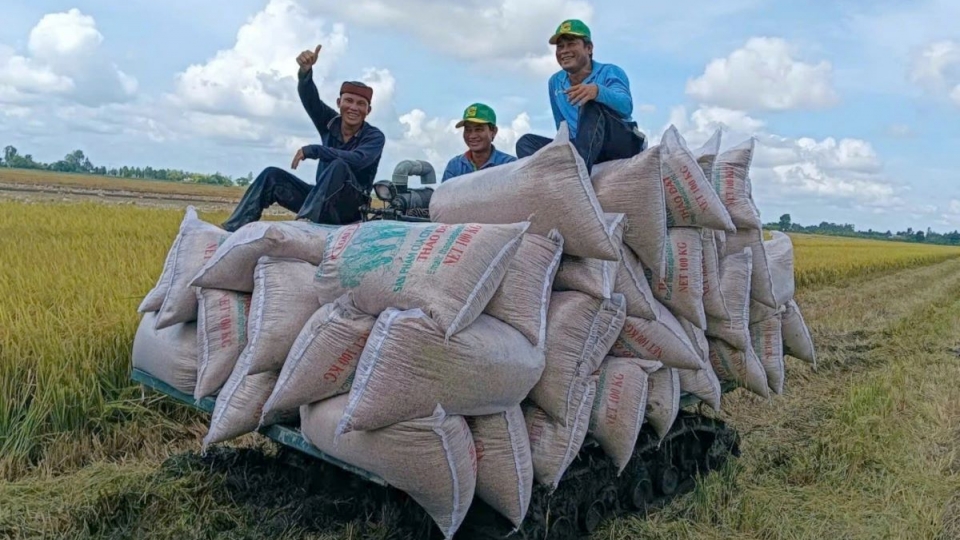
VOV.VN - Vietnam’s rice exports to Senegal surged nearly 30-fold in 2025, reaching 168,020 tonnes worth US$52.57 million, according to data from Vietnam Customs.