Rice prices recover, exports target premium markets

VOV.VN - Vietnam’s agriculture sector is showing fresh signs of recovery as domestic rice prices and export prices gradually rebound, while high-quality and low-emission rice products are opening new opportunities in premium international markets.
According to the Ministry of Agriculture and Environment, the domestic rice market has recently recorded positive momentum after a prolonged period of price declines. Alongside improving export performance, the emergence of low-emission rice is expected to help Vietnamese rice strengthen its position in higher-value market segments and move toward more sustainable growth.
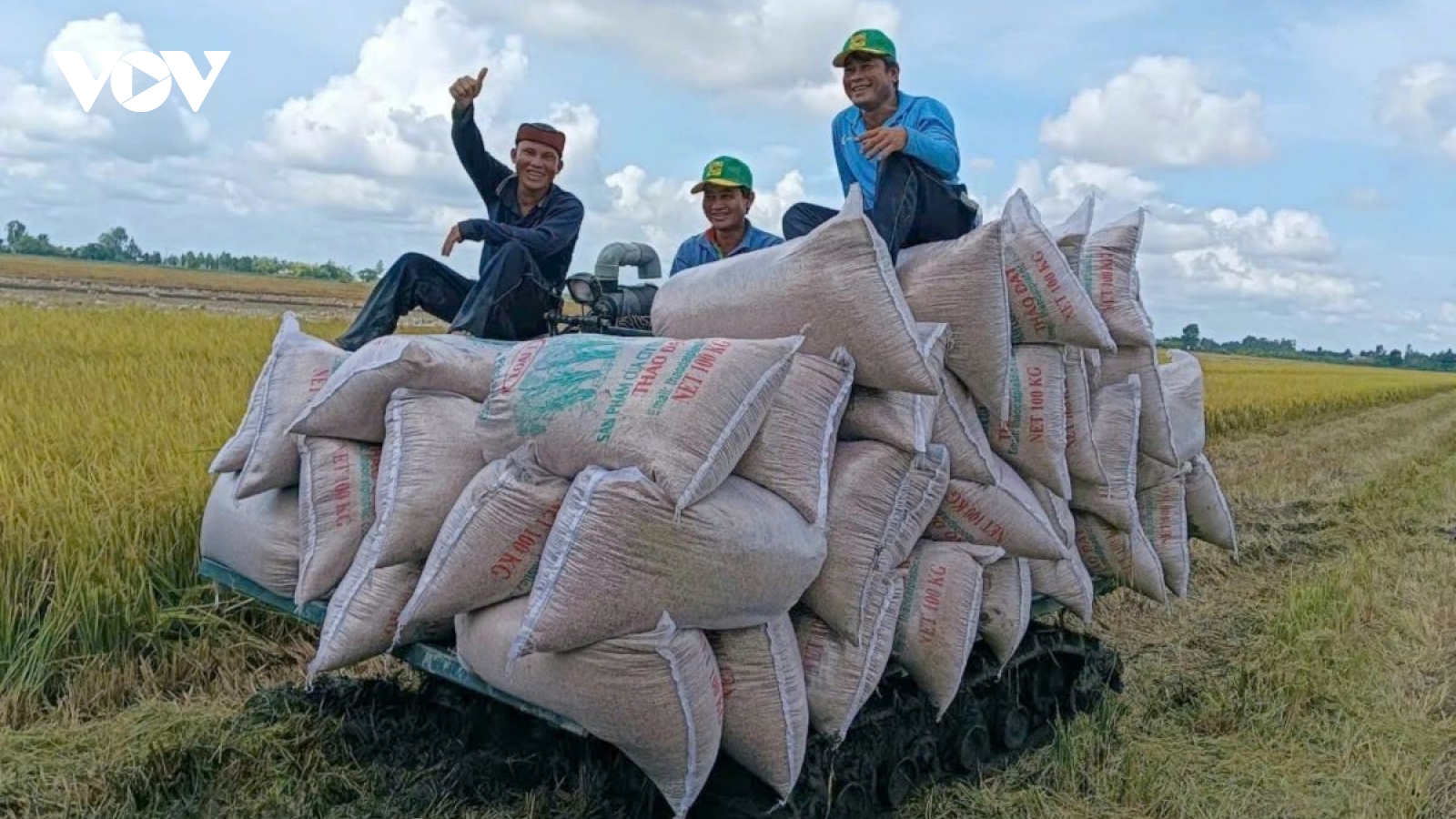
In the Mekong Delta, fresh paddy prices hover around VND800–1,300 per kilogram lower than the same period last year. However, compared with the peak harvest period of the 2025–2026 Winter-Spring crop, prices have recovered considerably, reflecting improving market conditions after months of downward pressure.
In the export market, Vietnamese rice prices are also trending upward again. Vietnam’s 5% broken rice is currently traded at around US$407 per tonne.
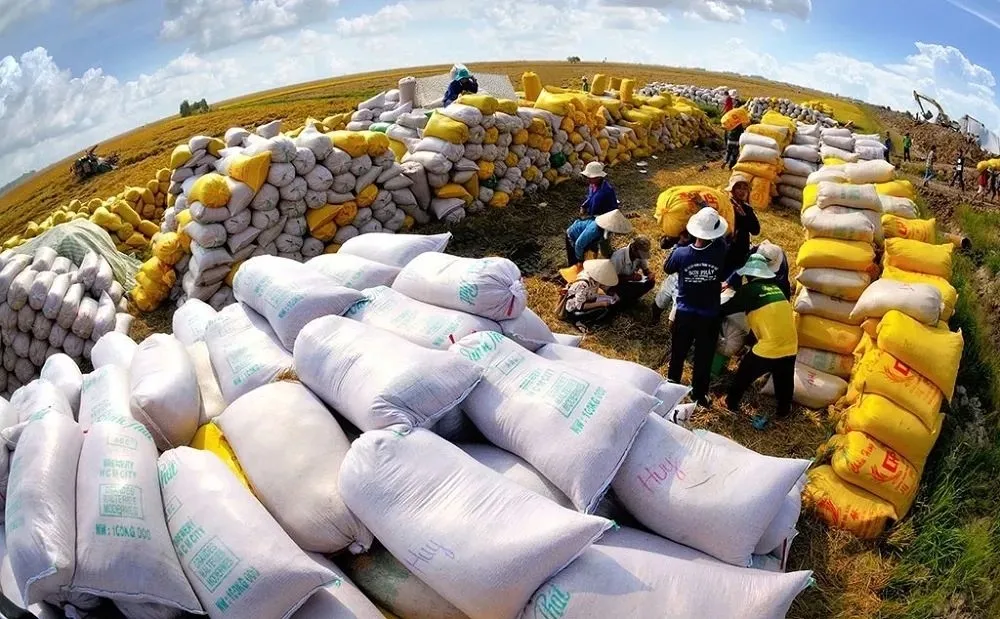
Although total export volume in the first four months of the year was lower than the same period last year, export shipments have remained stable with large trading volumes.
In April alone, Vietnam exported more than 1.1 million tonnes of rice, nearly matching last year’s level for the same period. The trend reflects stable global demand and the ability of Vietnamese exporters to adapt amid intensifying international competition.
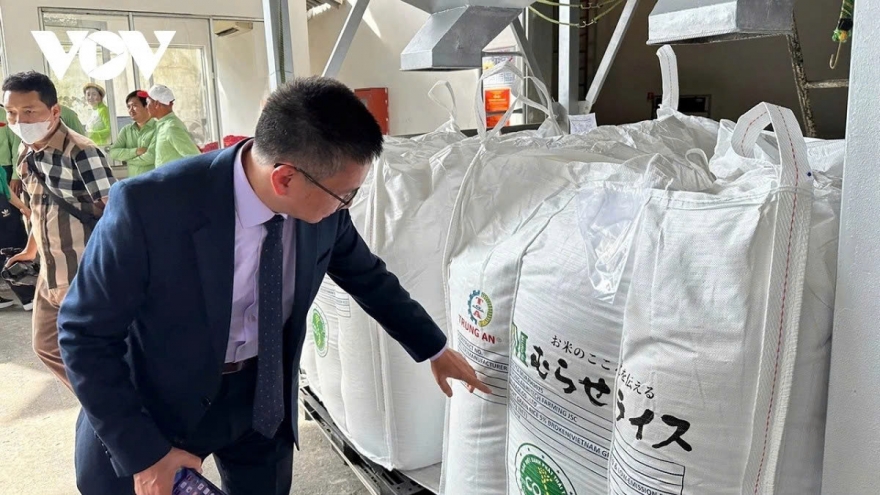
A notable trend in Vietnam’s rice sector is the growing focus on premium-quality and low-emission rice varieties.
Rather than competing primarily on volume, many Vietnamese enterprises are now investing in green standards, traceability systems and carbon-emission reduction to meet stricter requirements from premium markets.
Industry experts believe the shift toward sustainable production will not only improve export value but also help Vietnamese rice build a stronger international reputation in the long term.
The global transition toward greener consumption patterns is creating new opportunities for agricultural exporters able to meet environmental and sustainability standards.
Rice exports poised for recovery amid global supply concerns
VOV.VN - Vietnam’s rice exports slowed in the first four months of 2026, but recovering global demand and growing concerns over tightening supply are creating new opportunities for the country’s rice industry to regain momentum in the months ahead.