Vietnamese fragrant rice gains ground in EU market

VOV.VN - Exports of Vietnamese fragrant rice continue to receive certification for export to the European Union (EU), showing that Vietnamese rice is strengthening its presence in one of the world’s most demanding markets.
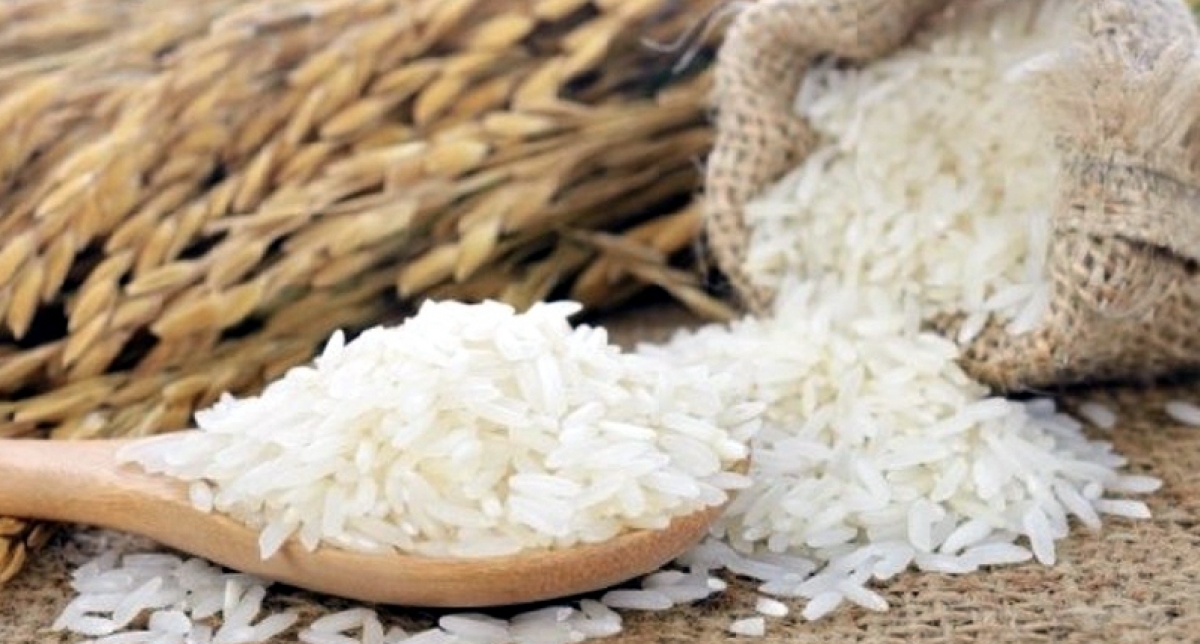
According to the Department of Crop Production and Plant Protection (Ministry of Agriculture and Environment), the agency has issued certificates verifying the varieties of fragrant rice eligible for export to the EU for four shipments from two companies, with a combined volume of more than 380 tonnes.
Specifically, Blue Ocean Import-Export Co., Ltd. (Ho Chi Minh City) received certification for three shipments of OM5451 rice (5% broken) totaling 364.52 tonnes, cultivated in An Giang province. Of this amount, 294 tonnes will be exported to the Czech Republic, 20.52 tonnes to Germany, and 50 tonnes to France.
The second exporter, Hoang Minh Nhat Joint Stock Company (Can Tho), received certification for one shipment of Jasmine 85 rice (5% broken) weighing 23.95 tonnes, destined for Poland. The rice variety originates from cultivation areas in Bac Lieu province (now part of Ca Mau province).
Under EU regulations, imported fragrant rice must carry a certificate verifying the rice variety to ensure that the rice belongs to the list approved by the European Commission. This certification is also required for Vietnamese fragrant rice to benefit from tariff preferences under the EU-Vietnam Free Trade Agreement (EVFTA).
Vietnam currently has nine fragrant rice varieties eligible for export to the EU: Jasmine 85, ST5, ST20, Nang Hoa 9, VD20, RVT, OM4900, OM5451 and Tai Nguyen Cho Dao.
Under EVFTA commitments, the EU grants Vietnam an annual quota of 80,000 tonnes of rice, including 30,000 tonnes of milled rice, 20,000 tonnes of unmilled rice and 30,000 tonnes of fragrant rice. In addition, broken rice has been fully liberalized, while tariffs on rice-based products are being reduced to 0% according to the agreed schedule.
The growing presence of Vietnamese rice in Europe indicates a shift in the country’s rice sector from competition based on volume to competition based on quality. Many enterprises are expanding into higher-value markets such as the EU by making use of new-generation free trade agreements including the EU-Vietnam Free Trade Agreement (EVFTA), the UK-Vietnam Free Trade Agreement (UKVFTA) and the Comprehensive and Progressive Agreement for Trans-Pacific Partnership (CPTPP).
According to experts, although export volumes to the EU remain modest, the market offers high added value and strict standards. Once products meet EU requirements, access to other developed markets becomes easier.
Several Vietnamese rice varieties such as OM5451 and Dai Thom 8 account for 60-70% of production and are favored in many markets thanks to stable quality and flexible supply. In the premium segment, ST25 has emerged as a leading Vietnamese rice variety in international markets.
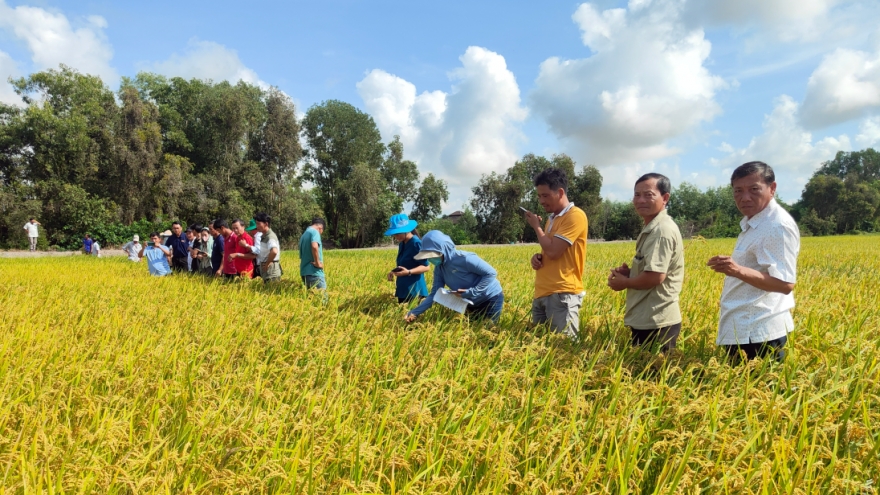
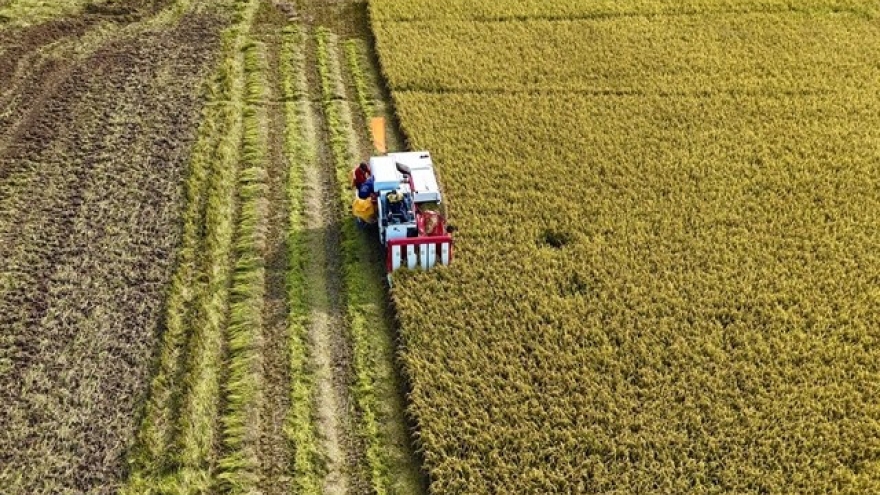
Alongside improvements in rice varieties and product quality, the agricultural sector is promoting sustainable rice production with lower emissions and stronger environmental protection.
Nguyen Quoc Manh, Deputy Director of the Department of Crop Production and Plant Protection, said many importing markets are applying stricter requirements related to environmental protection, sustainable development, gender equality and traceability.
In this context, promoting low-emission rice production combined with transparent traceability will help strengthen the value and position of Vietnamese rice in the international market.
Experts say maintaining and expanding presence in the EU market not only supports export growth but also helps Vietnamese rice enter other high-end markets, creating room for further growth for the country’s rice sector in the coming years.
Low-emission rice paves the way for higher-value rice exports
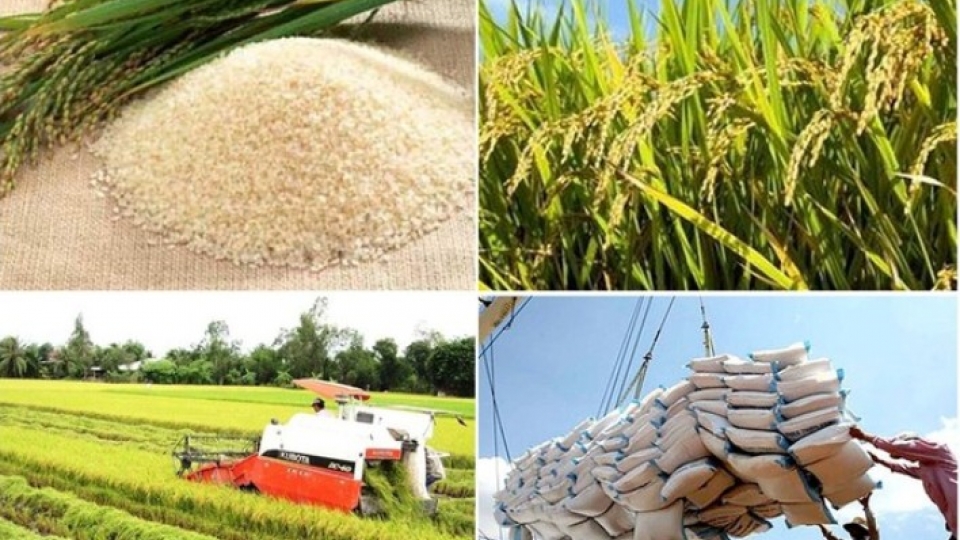
VOV.VN - After two years of implementing the programme to develop one million hectares of high-quality, low-emission rice, rice production in the Mekong Delta is shifting toward greener practices, thereby opening opportunities to raise the value of rice exports.