Vietnam at a turning point: Reforms shaping a new economic model

VOV.VN - Following its post-pandemic recovery and amid mounting geopolitical uncertainties, Vietnam is entering a new development cycle with a clear strategic direction: shifting from growth driven by capital accumulation and low-cost labour toward a model anchored in productivity, innovation, and sustainable development.
Institutional reforms, digital transformation, higher-quality foreign direct investment (FDI), and green transition commitments are gradually forming a new growth architecture for the coming decade. These reforms are positioning Vietnam not only as a resilient economy in Southeast Asia but also as an emerging strategic hub in global value chains.
Institutional reform: the foundation of a new growth cycle
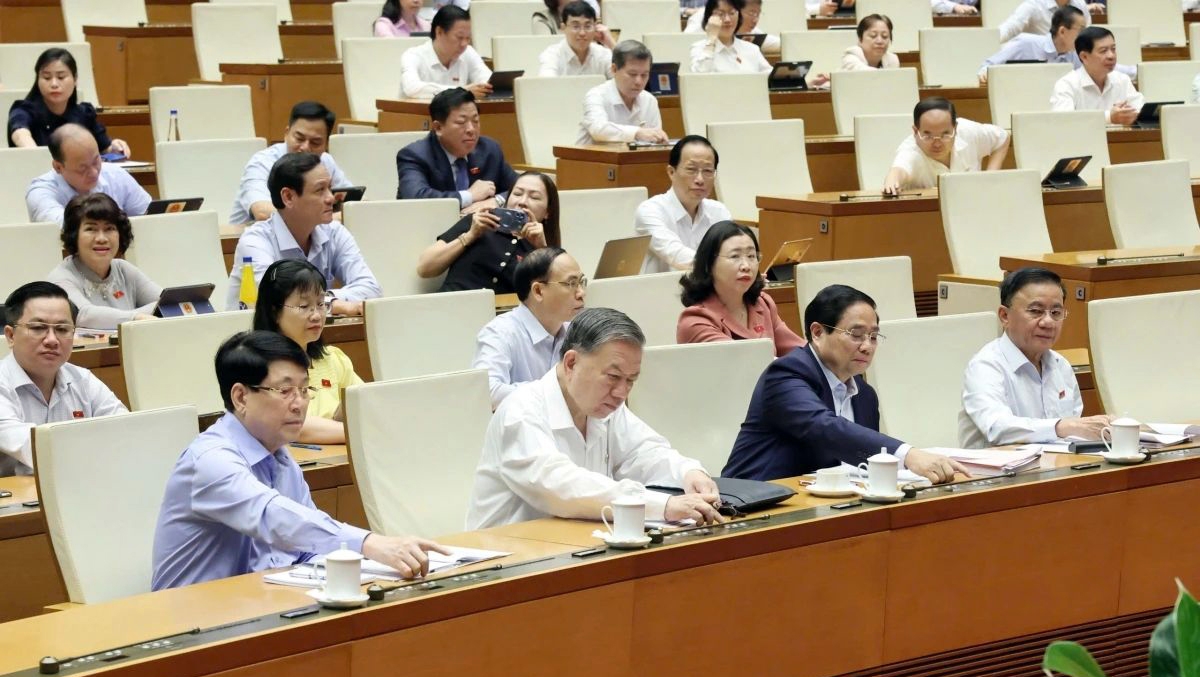
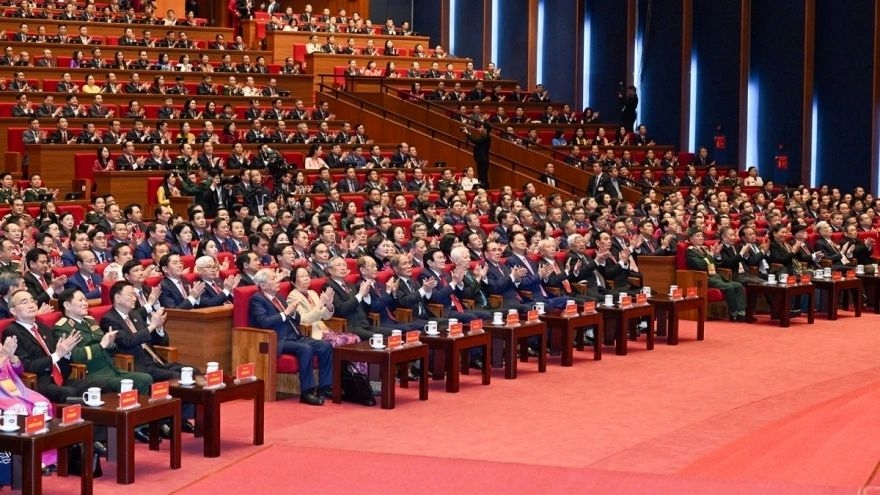
Institutional reform has become the central pillar of Vietnam’s economic transformation. The National Assembly’s recent passage of key legislative amendments, including law on land, housing and real estate, reflects efforts to remove long-standing legal bottlenecks affecting land use, property development, and capital allocation.
The World Bank in its economic update 2025, points out that institutional reform and improvements in the business environment are critical for sustaining Vietnam’s growth momentum and reducing reliance on low-value-added exports. The bank emphasizes that improving regulatory transparency and enforcement efficiency will help unlock land resources, reduce compliance costs, and enhance capital allocation efficiency.
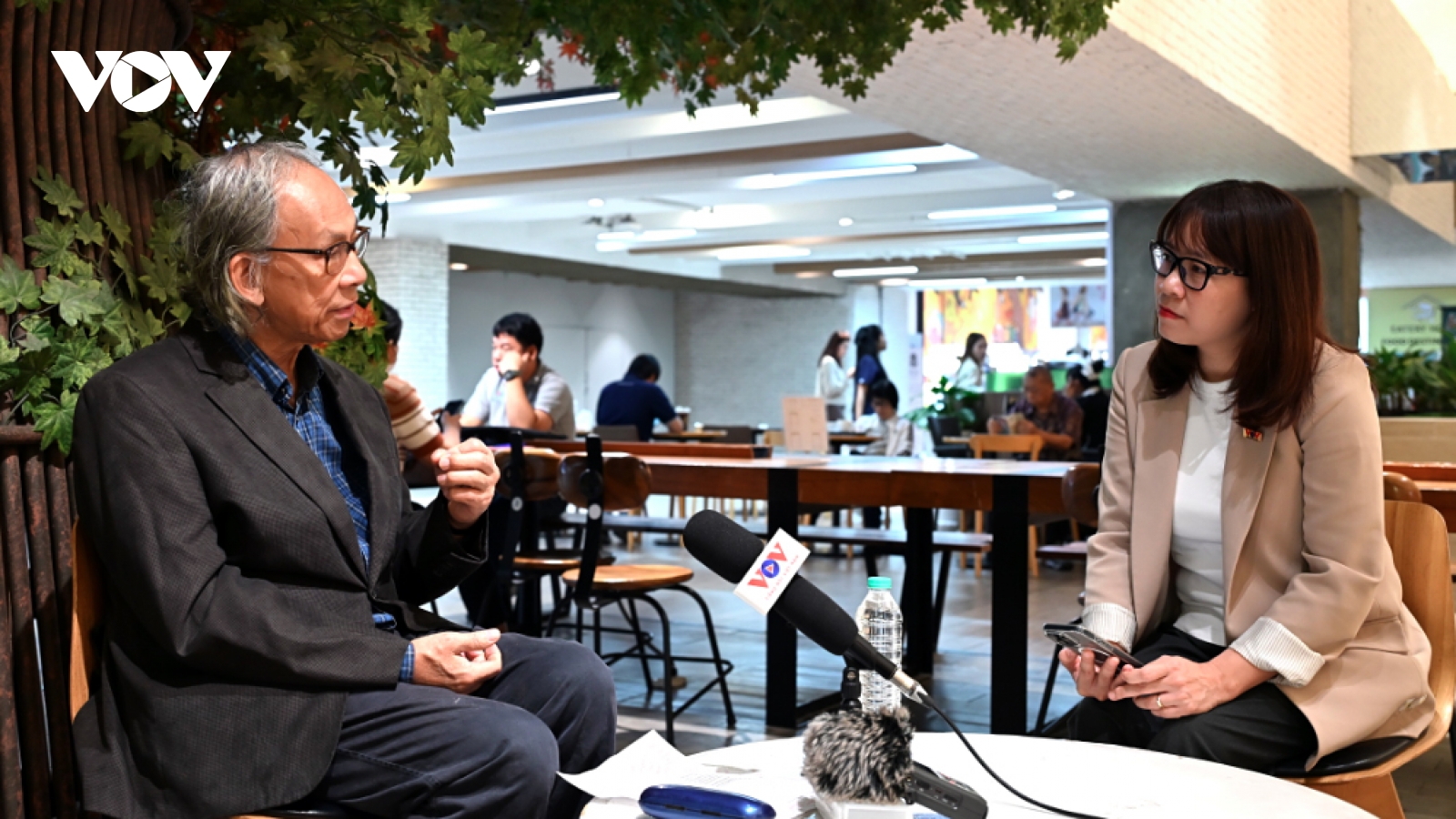
Domestically, the Government has introduced measures to accelerate digital governance, streamline administrative procedures, and support small and medium-sized enterprises (SMEs). Dr. Can Van Luc, member of the National Financial and Monetary Policy Advisory Council, has repeatedly stressed that reform must go beyond legal amendments to ensure effective implementation and regulatory coherence. In his view, consistent institutional reform is “a necessary condition for Vietnam to sustain high and stable long-term growth.”
These efforts reinforce Vietnam’s transition toward a development-oriented state model increasingly valued by international investors assessing market risk and policy predictability.
FDI restructuring: From quantity to quality

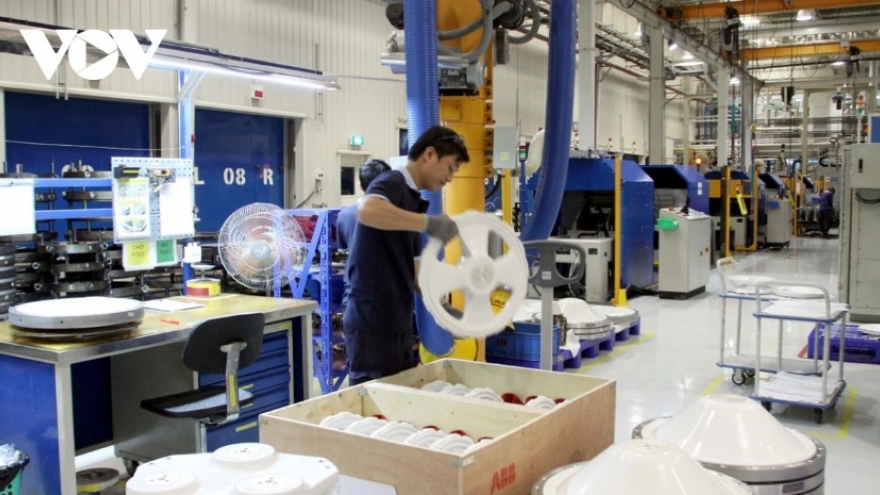
Vietnam remains one of Asia’s most attractive destinations for foreign direct investment. According to the Ministry of Finance, Vietnam’s total registered FDI reached approximately US$38.42 billion in 2025, with disbursed capital estimated at US$27.62 billion, the highest level in five years, signaling sustained investor confidence.
More importantly, the country’s FDI strategy is undergoing qualitative transformation. The government is prioritising high-tech industries, innovation-driven projects, and stronger linkages between multinational corporations and domestic enterprises. Manufacturing and processing industries accounted for over 54.7% of total registered capital, indicating a continued shift toward higher value-added production.
The United Nations Development Program (UNDP) has noted in its Asia-Pacific Human Development Report that developing economies must move beyond assembly-based manufacturing toward FDI models that generate higher domestic value addition. Vietnam, the report suggests, holds significant potential to upgrade its position within global supply chains, provided it strengthens human capital and supporting industries.
Economists from the Asian Development Bank have similarly observed that the “China+1” strategy offers Vietnam substantial opportunities. However, they caution that long-term competitiveness will depend on infrastructure upgrade, logistics efficiency, environmental standards, and skilled labuor availability.
FDI in Vietnam is therefore no longer merely a source of capital inflow, but a strategic instrument for economic restructuring.
Deeper integration and financial market upgrade
Deep global integration is a core pillar of Vietnam’s growth strategy. The country participates in next-generation trade agreements such as the Comprehensive and Progressive Agreement for Trans-Pacific Partnership (CPTPP) and the EU-Vietnam Free Trade Agreement (EVFTA), providing preferential access to major markets under high-standard rules.
The International Monetary Fund (IMF) has recognised Vietnam’s relative macroeconomic stability amid global turbulence and highlighted available policy space for further financial sector reform and public debt management.
Meanwhile, efforts to enhance trading infrastructure and market transparency are expected to facilitate Vietnam’s potential upgrade from a “frontier market” to an “emerging market” classification by FTSE Russell. Such an upgrade would likely attract substantial long-term capital inflows from global institutional investors tracking emerging market indices.
According to Vietnam’s National Statistics Office, GDP growth in 2025 expanded 8.02%, positioning Vietnam among ASEAN’s fastest-growing economies despite global headwinds.
Strengthening the financial system not only improves liquidity but also reinforces international confidence in Vietnam’s governance and economic resilience.
Digital transformation and green transition: twin engines of future growth

Amid intensifying regional competition, Vietnam has identified digital transformation and green growth as two strategic drivers.
Through its National Digital Transformation Programme, the government is accelerating the development of digital government, digital economy, and digital society. The World Economic Forum has emphasised that economies investing heavily in digital infrastructure and skills development will enjoy significant productivity gains in the coming decade.
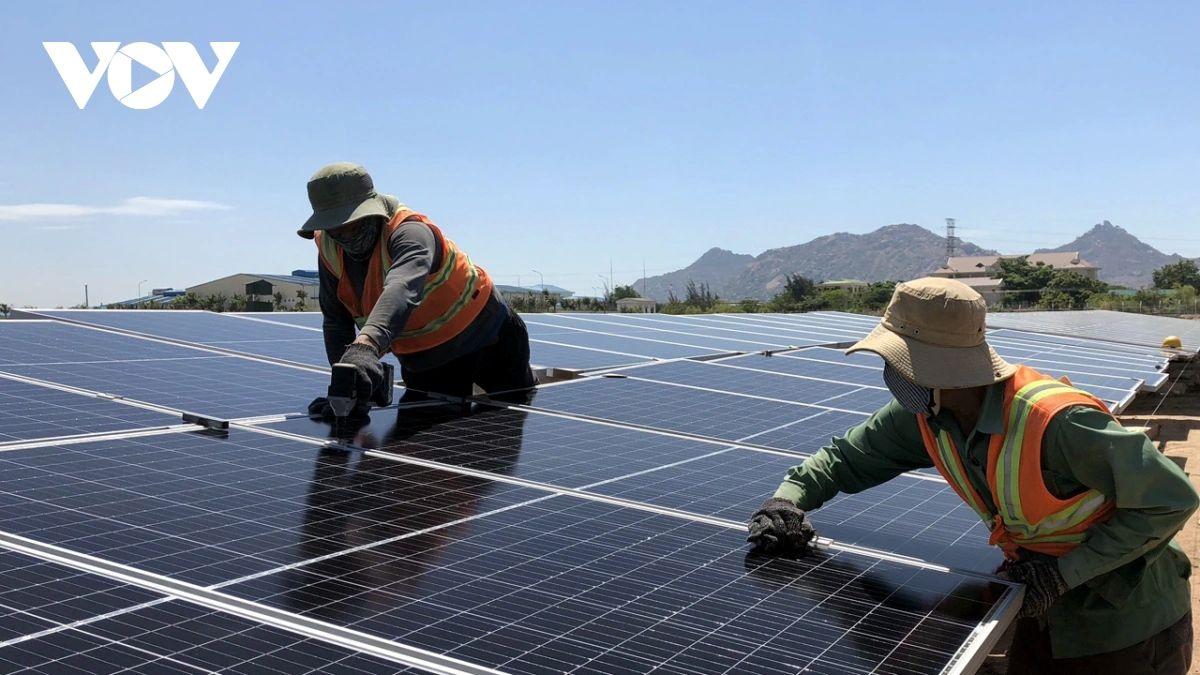
At the same time, Vietnam’s commitment to achieving net-zero emissions by 2050, announced at COP26, has placed the country on a pathway toward energy transition and sustainable production.
The International Energy Agency projects that Southeast Asia will require substantial investment in renewable energy and energy efficiency over the next two decades, with Vietnam emerging as one of the region’s fastest-growing clean energy markets.
As global investors increasingly prioritise ESG (Environmental, Social, and Governance) standards, green transition in Vietnam is not merely an environmental obligation but a prerequisite for maintaining export competitiveness and attracting sustainable capital.
Outlook: Repositioning in global value chains
Vietnam’s ongoing reforms signal a decisive shift from growth at any cost toward higher-quality and more resilient development.
The World Bank projects that, if reform momentum is sustained and macroeconomic stability preserved, Vietnam will remain among Southeast Asia’s fastest-growing economies in the medium term.
Nevertheless, structural challenges persist, including labour productivity gaps, skills shortages, and the need for consistent policy implementation. International institutions warn that without continued structural reform and productivity enhancement, long-term growth potential could be constrained.
Vietnam’s new development phase is therefore not merely about headline growth figures. It represents a broader process of economic upgrading, institutional modernization, and deeper global integration.
If reforms are implemented coherently and effectively, Vietnam stands well positioned to enter a decade characterised by stable, inclusive, and resilient growth to reinforce its role as a dynamic emerging economy in Asia.
Vietnam set for rise in green FDI in 2026 as high-tech shift accelerates
VOV.VN - Vietnam is expected to see a rise in green foreign direct investment (FDI) in 2026 as global capital increasingly pivots toward high-tech and sustainability-driven projects, supported by macroeconomic stability and policy reforms aimed at attracting higher-quality investors.