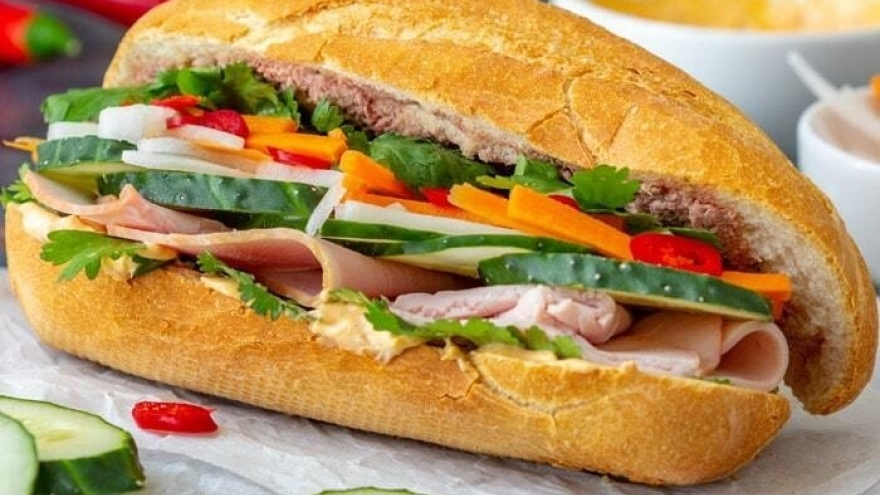
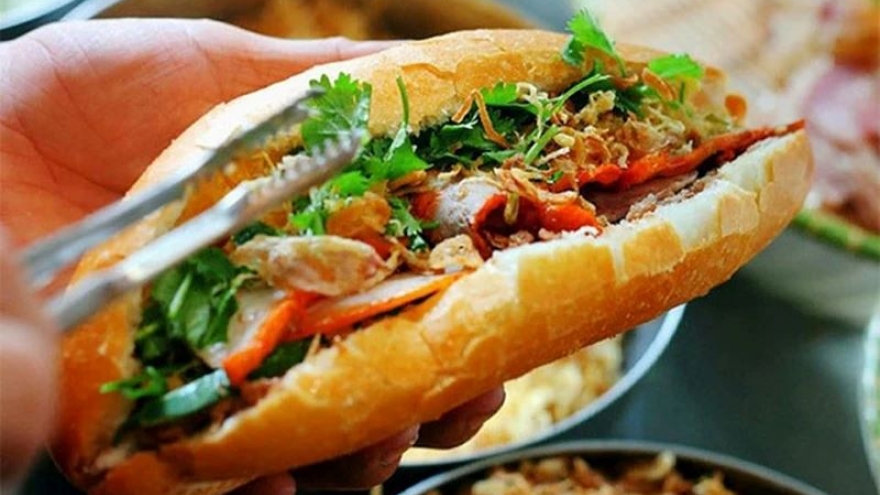
Why Vietnamese Bánh mì has become a global favourite

VOV.VN - From street stalls in Vietnam to food trucks in cities around the world, Bánh mì (bread/baguette/sanswich) has emerged as one of the country’s most recognisable culinary exports, winning over international diners with its distinctive blend of flavours, textures and cultural influences.
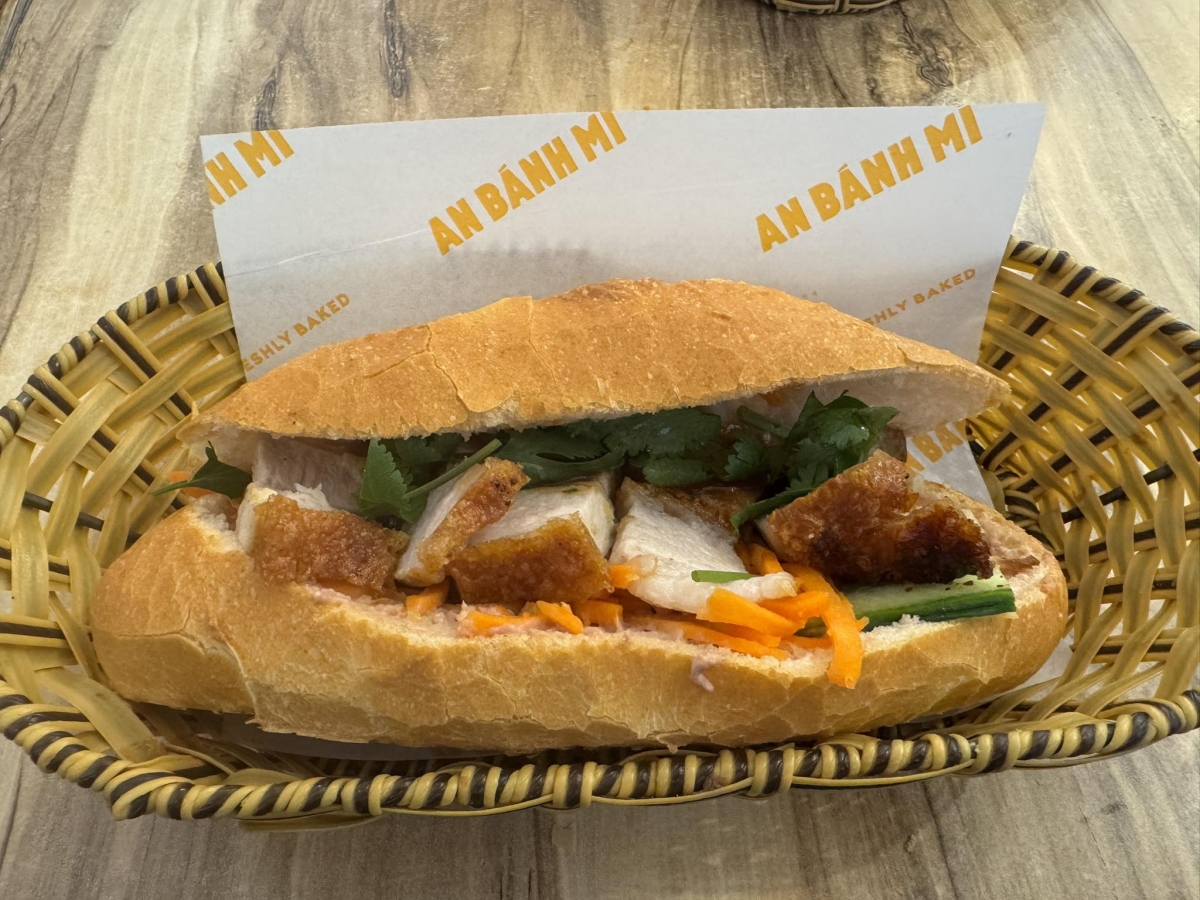
At first glance, Bánh mì may feel familiar to many Western consumers. Built on a light, crispy baguette introduced during the French colonial period, it resembles a sandwich widely found in Europe and North America. Yet what sets it apart lies in its filling, a vibrant combination of Vietnamese ingredients such as grilled meats, pâté, pickled vegetables, fresh herbs and chilli, creating a balance that is both accessible and unique.
One of the defining features behind Bánh mì’s global appeal is its harmony of flavours and textures. The crunch of the crust contrasts with the softness of the bread, while savoury elements are offset by the freshness of herbs and the tang of pickled vegetables. This layered experience, often described as both rich and refreshing, aligns well with international tastes that favour complexity without heaviness.
Beyond flavour, Bánh mì fits seamlessly into modern lifestyles. As a street food, it is quick to prepare, easy to carry and relatively affordable – the qualities that resonate strongly with urban consumers. In many ways, it offers the convenience of fast food while retaining the freshness more commonly associated with home-style cooking.
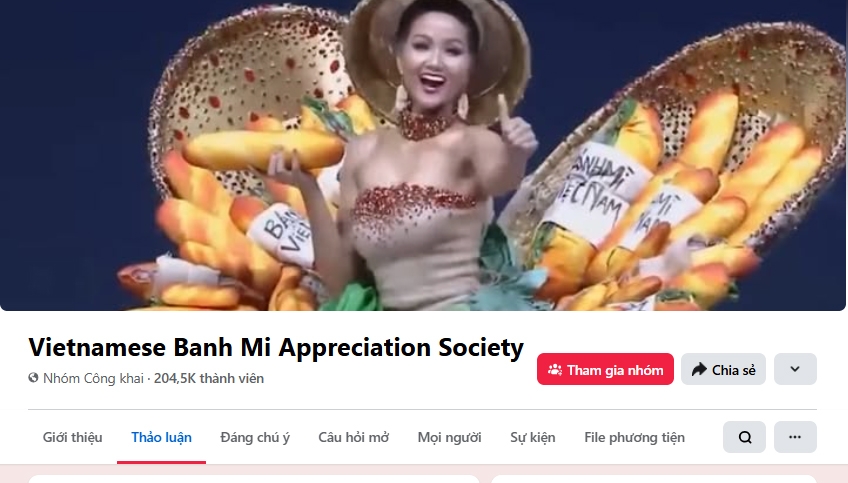
Its growing popularity is also reflected in international communities of food lovers. The Facebook group “Vietnamese Banh Mi Appreciation Society” has attracted hundreds of thousands of members worldwide who share reviews, photos and personal rankings of the dish.
Within the group, members share and discuss their favourite bánh mì variations, as well as highly rated spots in Vietnam and around the world to try the dish. They also offer candid feedback, pointing out aspects they find lacking or areas that fall short of expectations.
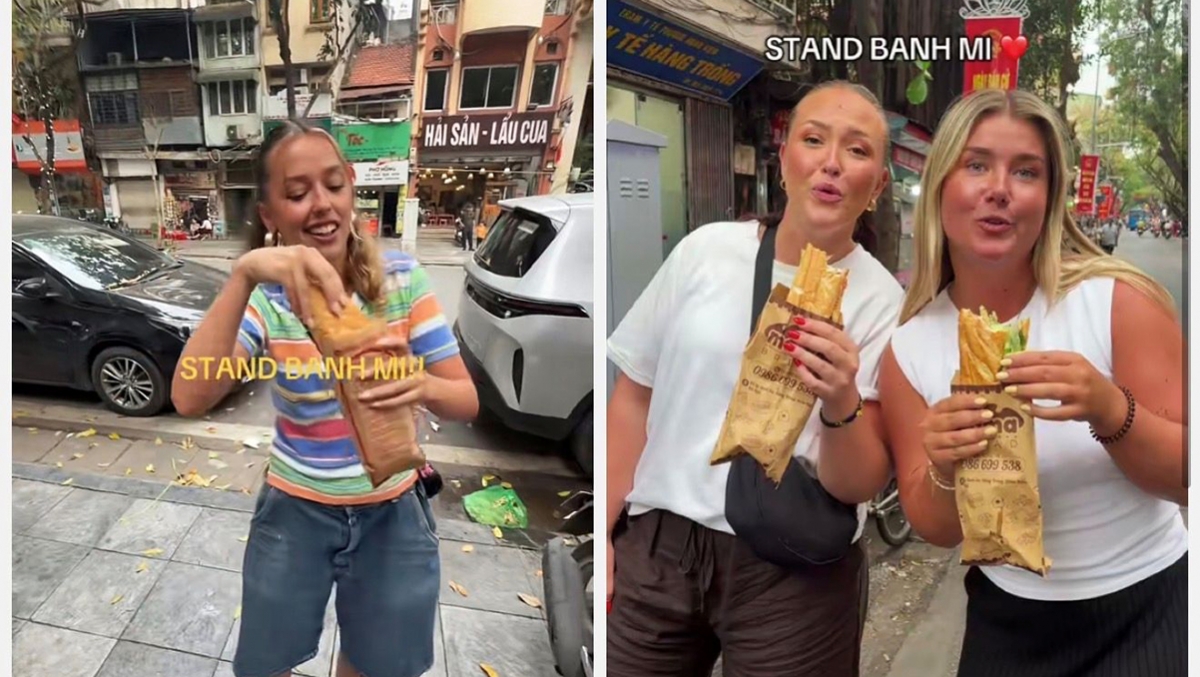
Beyond simply enjoying the dish, many foreign visitors have also been delighting social media by playfully adapting international hits into lyrics inspired by Vietnamese cuisine. The latest trend, dubbed “Stand Bánh Mì”, has been gaining traction across social platforms.
The trend follows a simple yet catchy formula: foreign visitors hold a Vietnamese bánh mì, play the classic song Stand by Me, and creatively twist the chorus into “Stand bánh mì”. The playful phonetic similarity between the English lyrics and the name of the Vietnamese dish has created an unexpected viral effect, leaving viewers both amused and entertained.
For many, Bánh mì is no longer just something to try while travelling, but a regular part of their food habits. As one enthusiast told Australian media, the Vietnamese sandwich has “permeated the culture,” particularly in cities with large Vietnamese communities.
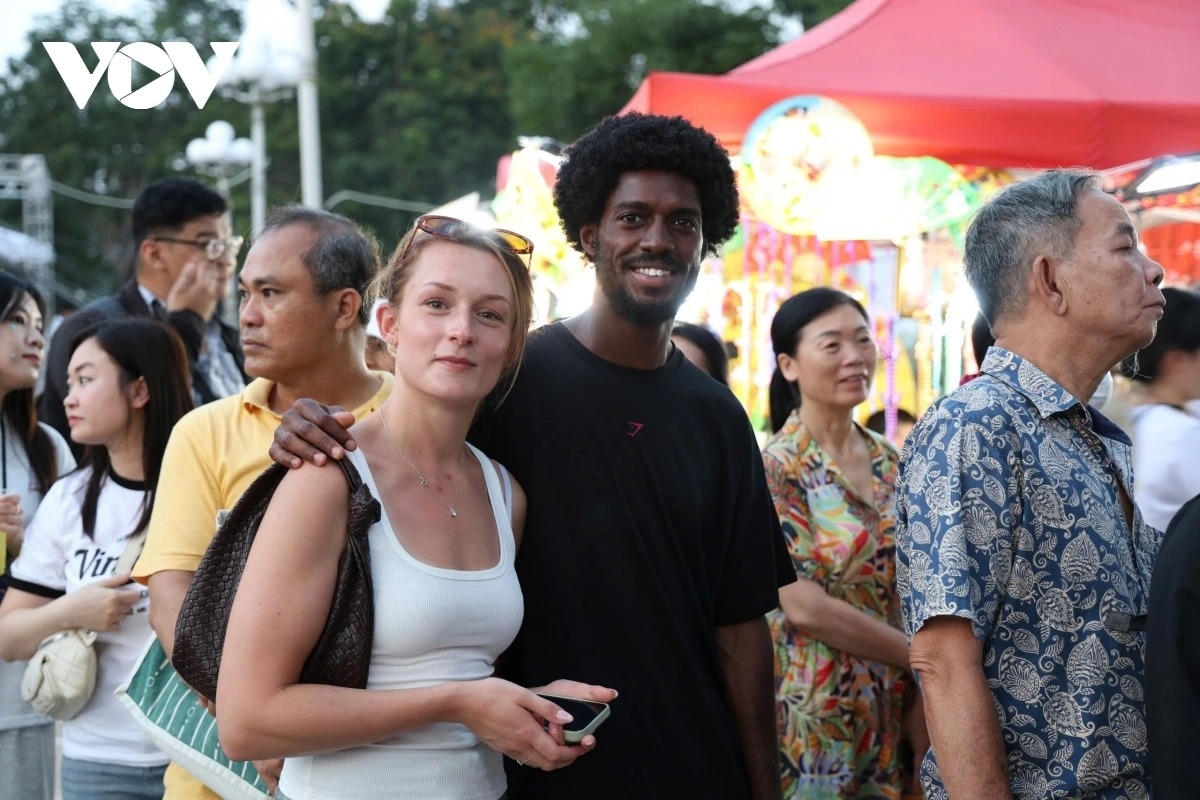
Another factor behind Bánh mì’s success is its adaptability. While traditional versions remain widely appreciated, the dish has evolved in different markets, with vegetarian, vegan and fusion variations that cater to diverse tastes. This flexibility allows Bánh mì to integrate into local food scenes without losing its Vietnamese identity.
At its core, Bánh mì also tells a story of cultural exchange. Originating from a fusion of French and Vietnamese culinary traditions, it has been reinterpreted over time into a distinctly Vietnamese creation. That blend of history and innovation continues to resonate with global diners.
Today, Bánh mì is more than just a popular street food. It has become a symbol of Vietnam’s culinary identity and soft power, a simple yet sophisticated dish that reflects the country’s history, creativity and ability to connect with the world through food.
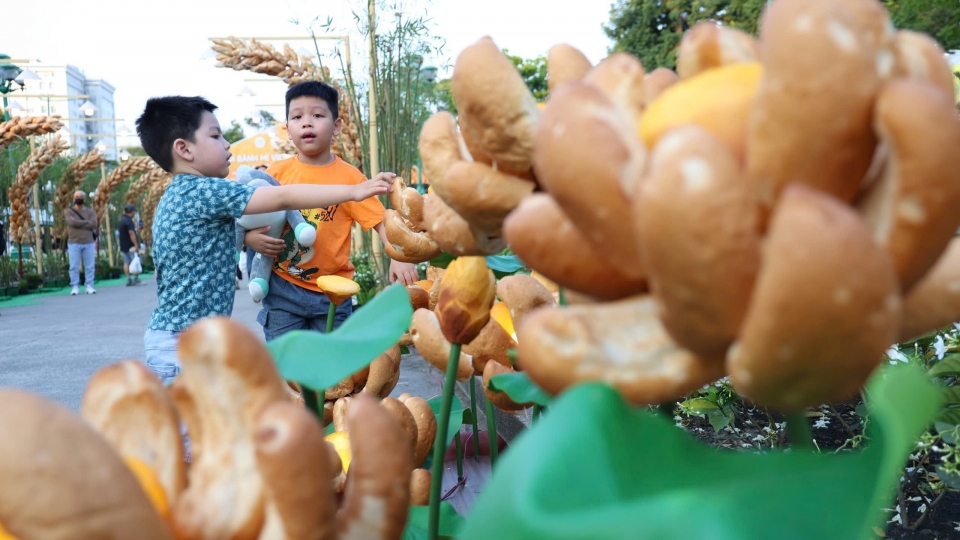
Bánh Mì festival draws crowds, promotes global culinary identity
VOV.VN - The fourth Vietnamese Bánh Mì (bread) Festival opened at Le Van Tam Park, Ho Chi Minh City, on April 23, drawing large numbers of domestic and international visitors.