Hanoi to digitise entire cultural heritage system, expand interactive access

VOV.VN - Hanoi authorities have announced an ambitious plan to comprehensively digitise the capital’s cultural heritage, as part of efforts to modernise cultural management and promote Vietnam’s cultural identity globally.

The plan, recently issued by the municipal People’s Committee, implements a Politburo resolution on the development of Vietnamese culture, aiming to create a broad transformation in the capital’s cultural sector.
A key priority is to accelerate digital transformation. Hanoi will build integrated cultural databases, develop multi-platform communication products, and create a unified brand identity system to connect cultural promotion with tourism, trade, and creative industries.
The city also plans to strengthen cooperation with content creators, businesses, and digital platforms to enhance international outreach and expand the global presence of Hanoi’s cultural image.
Digital transformation is identified as a breakthrough driver, with cultural data to be integrated into shared systems. New digital products will include virtual exhibitions, immersive tours, automated audio guides, and QR-code-based information systems at heritage sites and cultural institutions.
Major heritage sites such as the Thang Long Imperial Citadel and Co Loa Citadel are set to undergo comprehensive digitisation, with advanced technologies including GIS mapping, 3D modelling, and VR/AR applications used for preservation and promotion.
Selected sites will pilot digital-based management and operation models, paving the way for wider implementation across the city.
In parallel, Hanoi will continue to improve cultural policies under the Capital Law and long-term master planning with a 100-year vision. Efforts will also focus on promoting cultural values, family values, and the identity of Hanoians through education, communication, and social movements.
The plan places strong emphasis on building a dynamic cultural and creative ecosystem, where citizens play a central role and businesses act as key drivers. The city will also work to nominate additional sites for special national heritage status and expand the list of recognised intangible cultural heritage.
In the fields of arts and tourism, Hanoi aims to revive traditional performing arts such as chèo, cải lương, and water puppetry, while developing distinctive cultural tourism products linked to iconic locations including the Old Quarter, Hoan Kiem Lake, West Lake, the Red River, and Duong Lam ancient village.
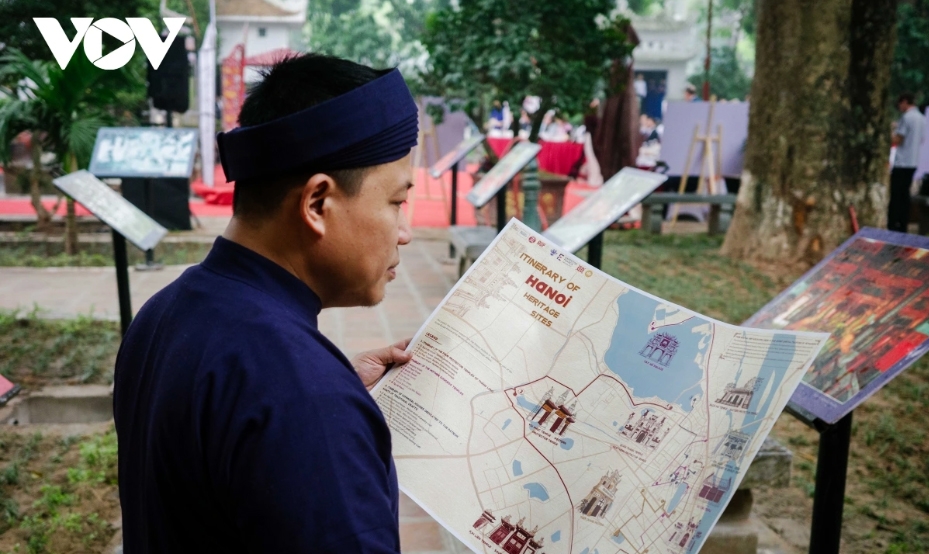
Notably, the city will develop a digital culinary map showcasing Hanoi’s signature dishes and linking them with major tourism spaces. The initiative is expected to create themed food tours that combine gastronomy with cultural exploration, shopping, and local experiences.
To support these efforts, Hanoi will modernise its cultural communication strategy by producing diverse multimedia content, including short films, TV commercials, e-books, podcasts, comics, and videos in multiple languages.
A new brand identity for Hanoi, including logos and slogans, will also be developed, alongside targeted messaging across cultural, heritage, tourism, and creative city themes.
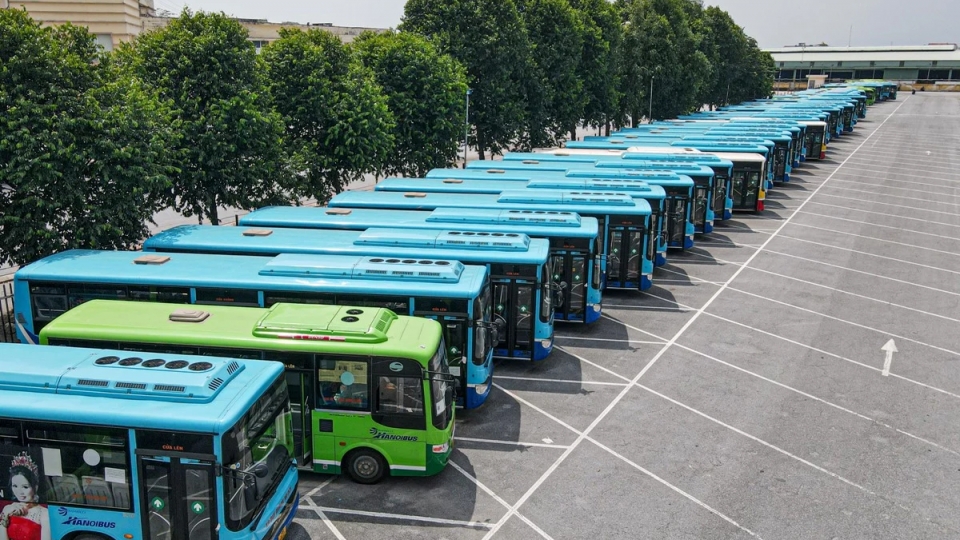
Hanoi studies expansion of free bus fares as HCM City proposes full fare waiver
VOV.VN - Hanoi residents may soon be eligible for expanded free bus services as the Hanoi Department of Construction studies options to widen fare exemptions.