Hanoi’s digital transformation for 100-year urban vision

VOV.VN - Hanoi is accelerating digital transformation in urban planning, building an inter-sectoral data platform to support a 100-year urban vision. At the same time, bottlenecks related to data, technology and human resources need to be resolved to avoid digital transformation becoming merely formalistic.
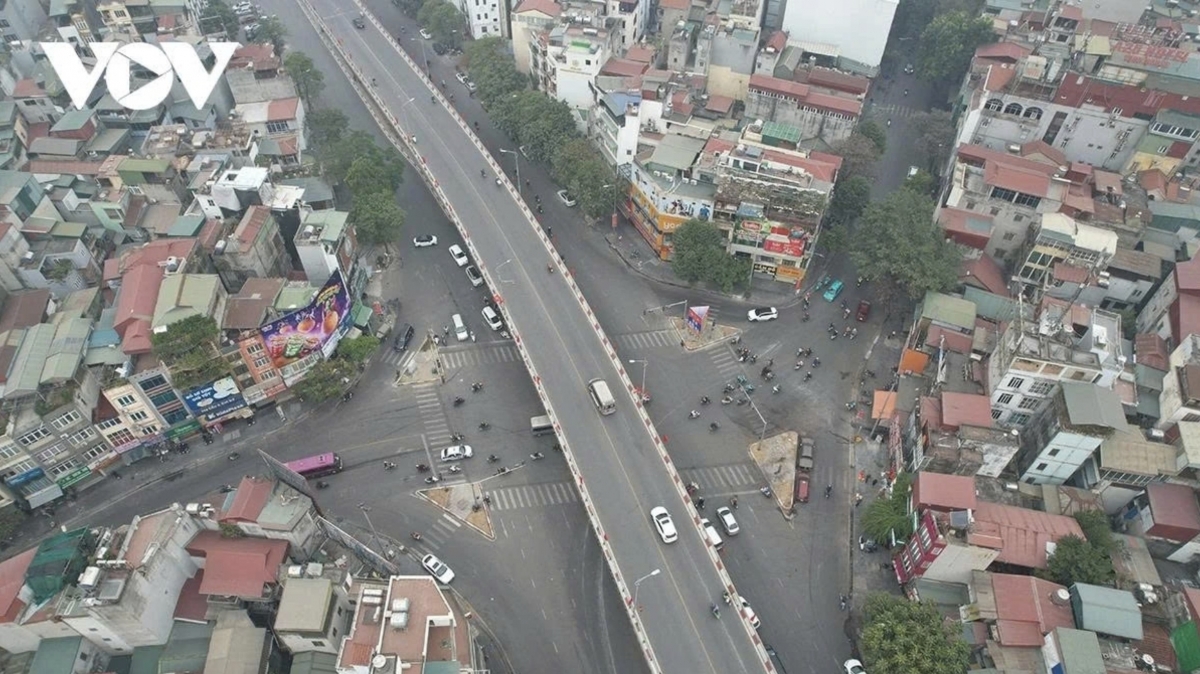
Digital technology in long-term urban governance
In recent years, Hanoi has focused on developing a spatial data infrastructure (SDI), integrating layers of information on land, transport, infrastructure and population, while upgrading the planning and architecture portal to enable public access and online feedback.
Within the capital’s 100-year development vision, digital transformation is seen as a key factor, improving current management efficiency and laying the foundation for long-term planning. The focus goes beyond map digitisation to building a unified inter-sectoral data system connecting multiple fields for modern planning.
However, the application of technology in planning management still faces limitations, mainly due to the lack of an overall vision, unified data standards and a workforce capable of operating the system. Without timely solutions, digital transformation may fall short of delivering substantive results.
Speaking on urban governance with a 100-year vision, Le Cong Thanh, Chairman and CEO of Information Selection Technology JSC, said it requires a cautious and comprehensive approach as technology is evolving rapidly.
He said that, in the trajectory of technological development, 100 years is too long a period for precise forecasts. With today’s rapid pace of technological change, determining the role of digital technology in such a long-term vision is not simple.
Even so, he said that in the long run, digital technology will play an increasingly important role in supporting urban planning and governance, improving management efficiency and enabling the formation of new living spaces.
Social life is shifting strongly to the digital environment, leading to changes in the structure and operation of urban areas. The role of digital technology therefore needs to be adjusted flexibly over time.
Shaping living spaces amid digitalisation
The shift from traditional urban models to data-driven governance presents multiple challenges. According to Thanh, the first challenge is to fully and accurately digitise existing living spaces, while also identifying new forms of living emerging on digital platforms. These two spaces intersect but do not fully overlap, requiring a suitable way of handling them.
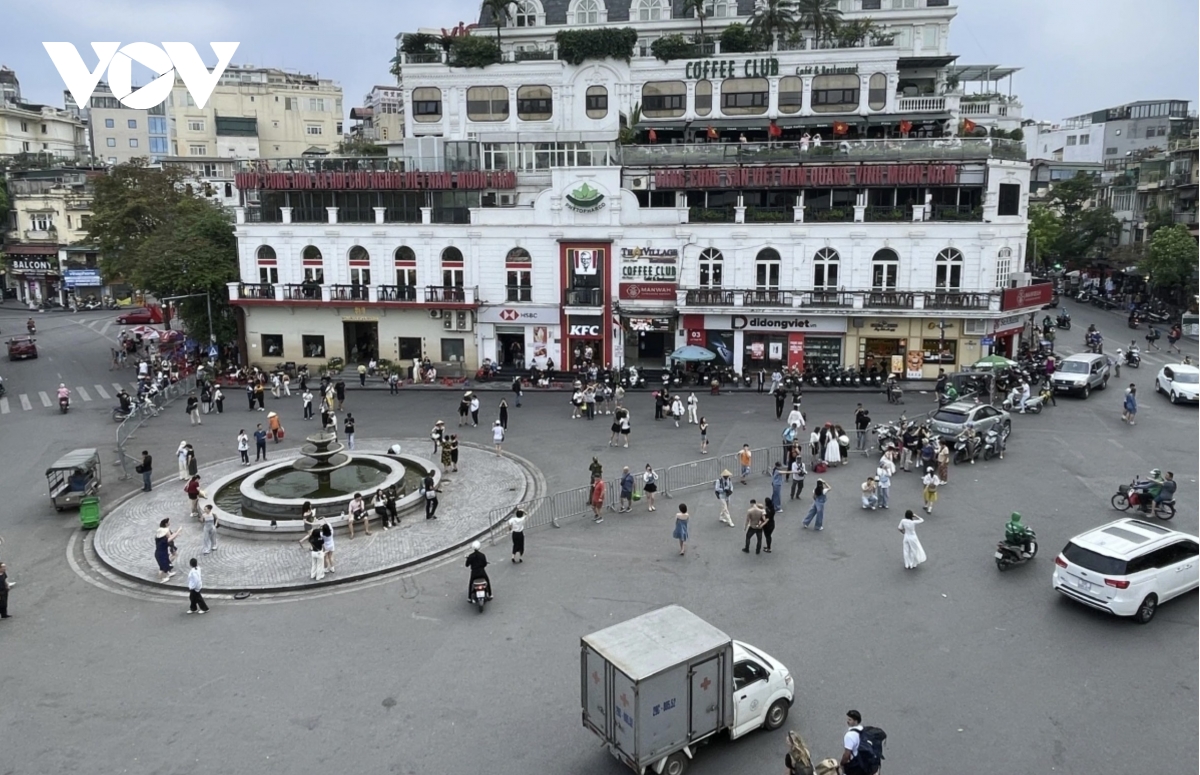
Another challenge is the application of technologies such as artificial intelligence and big data analytics to manage and develop new living spaces. At the same time, digital environments are heavily influenced by technologies and platforms from developed countries, raising the need to ensure autonomy.
Thanh warned that without appropriate directions amid the rapid development of artificial intelligence, the risk of dependence could increase.
On data, he said the issue lies not in data collection alone, but in how it is used. Data records what happens in reality, but without proper tools and methods, it can lead to an abundance of data but a lack of meaningful information.
It is necessary to apply new technologies effectively, particularly artificial intelligence, to filter and analyse data for governance purposes. This requires investment and coordination among state agencies, technology enterprises and the community.
Developing human resources for digital transformation
Thanh stressed the importance of the human factor. For technology to be effective, training and digital skills development for both citizens and management staff are essential.
In the current context, urban areas no longer exist only in physical space but are expanding into the digital environment. Urban governance therefore needs to integrate these two spaces to ensure effective operation.
When asked about the top priority for long-term urban governance, Thanh said education is fundamental. Bringing knowledge closer to people and enabling lifelong learning are key elements of a modern society.
He also spoke highly of the “digital literacy for all” movement, describing it as a direction that could have broad impact and helps strengthen social capacity, supporting smarter and more sustainable urban development.
He said a 100-year vision should not be seen as a fixed endpoint, but as an open roadmap which can be adjusted flexibly in response to changes in technology and society, thereby ensuring effective long-term urban planning and governance.
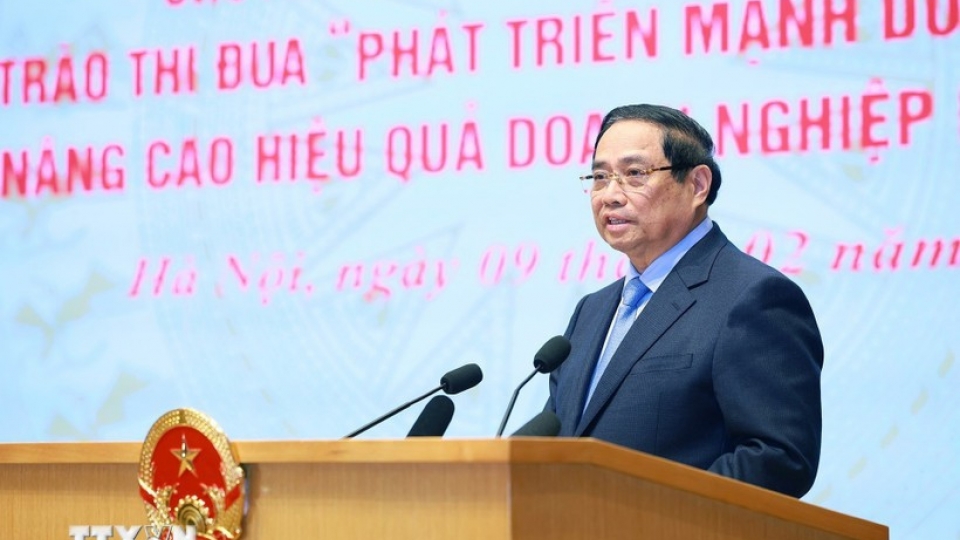
Digital transformation and green transition power nation’s rise: PM
Prime Minister Pham Minh Chinh on February 9 chaired a ceremony to launch two key emulation movements aimed at swiftly translating the Resolution of the 14th National Party Congress into practice, focusing on innovation, science and technology development, digital transformation and green transition.

Digital transformation supports improvements in Vietnam’s healthcare
VOV.VN - Recent medical achievements, alongside the application of modern technologies, are contributing to ongoing reform in Vietnam’s healthcare sector.