Artist Le Huu Hieu presents solo show at Venice Art Biennale 61

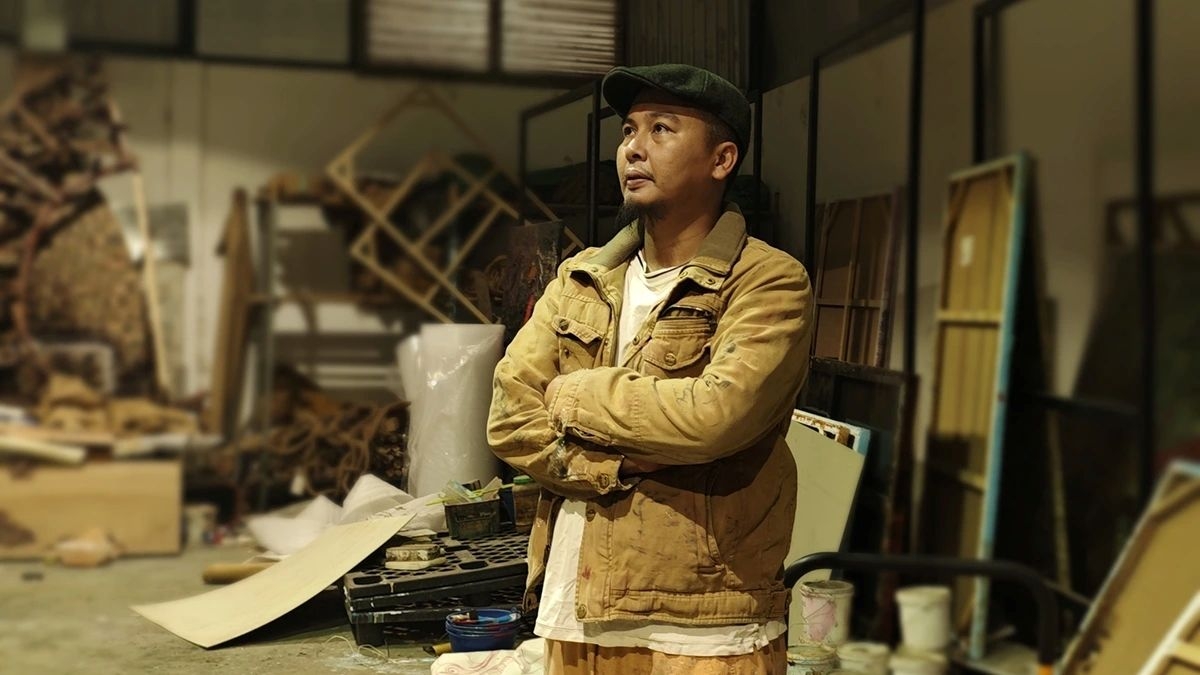
VOV.VN - Marking a decade-long journey of introducing Vietnamese culture to global audiences, artist Le Huu Hieu has confirmed his solo exhibition “Tằm” will be presented at the Vietnam Pavilion under the theme “Vietnam: Art in Global Flow” at the Venice Art Biennale 61.
A milestone for Vietnamese contemporary art
The Venice Art Biennale 61 marks a significant milestone as Vietnam presents its first-ever official national pavilion at one of the world’s most prestigious contemporary art platforms. The exhibition space is located at Ca’ Faccanon, a historic venue in the heart of Venice.
Under the theme “Vietnam: Art in Global Flow”, the pavilion goes beyond showcasing artworks, serving as a cultural statement of Vietnam’s growing engagement with the global art scene. It reflects a proactive approach to integration, affirming cultural identity while fostering dialogue with international audiences.
Within this context, Hieu represents a generation of artists seeking to bridge tradition and contemporary artistic language. His practice is rooted in long-term research into Vietnamese history, heritage and cultural materials, rather than short-term artistic experimentation.
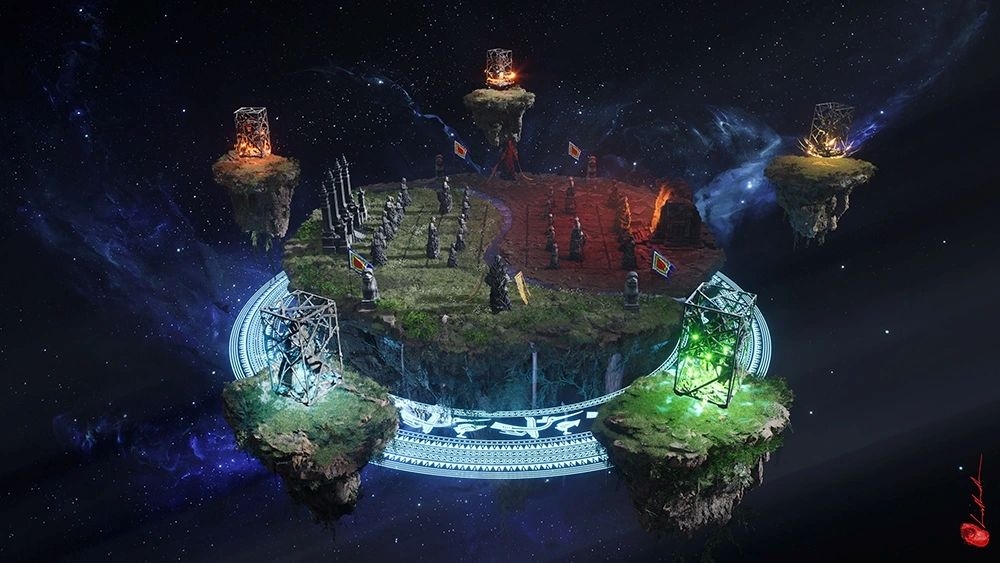
Prior to this event, he had participated in major international exhibitions, including the Florence Biennale, Miami Art Week, and a showcase at Tesa 99 Arsenale Nord in 2021. In 2025, he was recognised as a “Pioneering Artist on the UNESCO Heritage Journey,” highlighting his contributions to integrating cultural heritage into contemporary art.
As the only Vietnamese artist holding a solo exhibition at this edition, his participation is seen as both a personal milestone and a precedent for future Vietnamese artists to access global platforms in a more structured and sustainable way.
“Tằm”: A living space of memory, life and philosophy
At the Vietnam Pavilion, Hieu’s installation “Tằm” (Silkworm in English and Baco da seta in Italian) serves as the conceptual and visual centrepiece. The exhibition runs from May 9 to November 22, 2026, presenting a multi-layered artistic environment where tradition, history and contemporary life intersect.
Rather than focusing on war narratives, the artist turns attention to everyday life, cultural practices and spiritual beliefs that have shaped Vietnamese identity over centuries.
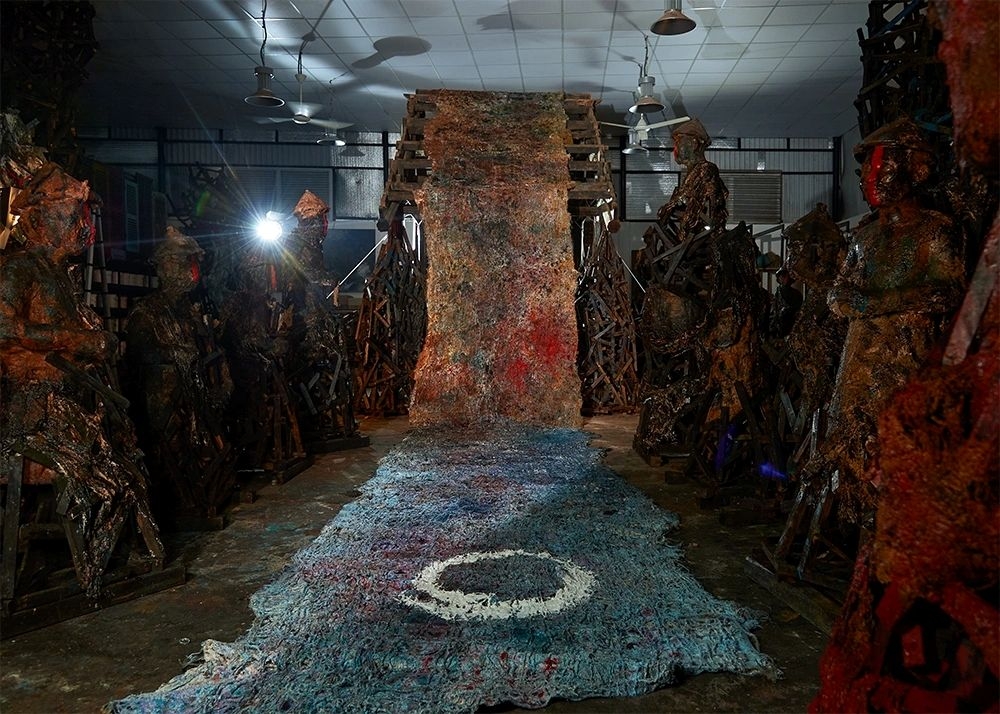
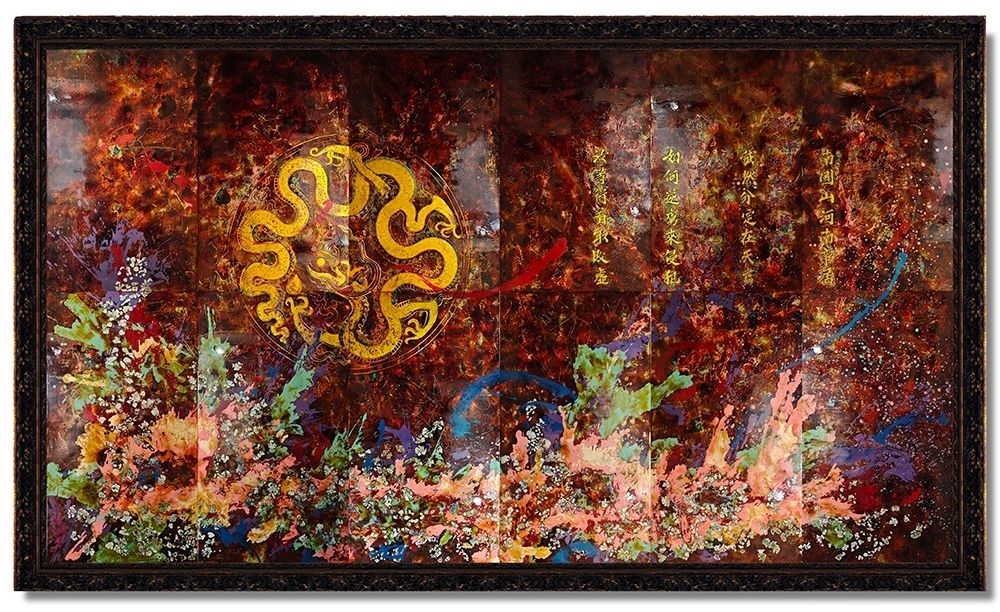
The installation is designed as an experiential journey. Visitors move through layered spaces, from guardian deities and a Bagua-inspired formation to a central “House” structure, before reaching a large lacquer painting. A system of 12 “guardian figures” appears throughout the space, representing elements of nature and agricultural life. These figures symbolise anonymous individuals whose quiet contributions collectively shape history, offering a humanistic perspective on cultural memory.
The silkworm motif plays a central role. Its life cycle, from birth and growth to spinning silk and transformation into a butterfly, serves as a metaphor for human existence: a process of creation, contribution and silent departure.
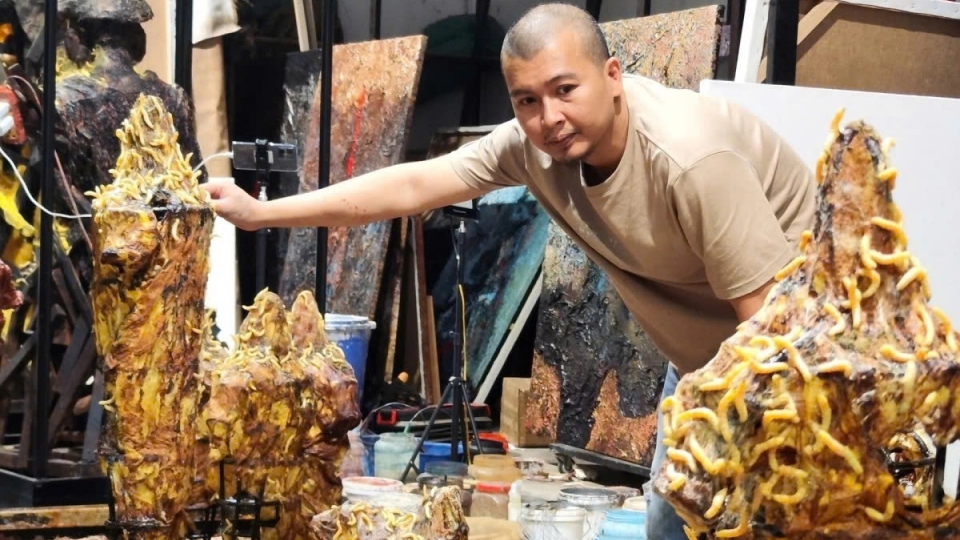
Notably, live silkworms are incorporated into the installation, transforming “Tằm” into a living entity. In this sense, the artwork transcends static form, becoming an evolving process that reflects the flow of life itself.
Traditional materials such as jackfruit wood, silk, lacquer, gold leaf and eggshell are used not only for their aesthetic qualities but also for their cultural significance. Techniques like hom đất (a traditional wood treatment method) embody philosophical concepts of balance and harmony, particularly the interplay of yin and yang.
Italian art critic Vittorio Sgarbi described the work as “a fictional space that blends the vitality of daily life with the mythical tones of folklore and spiritual traditions,” noting that the artist avoids depicting war trauma and instead offers a narrative grounded in everyday Vietnamese life and belief systems.
A personal journey with broader significance
Reflecting on his participation, Hieu described the experience with a single word: “rebirth.”
For him, the exhibition represents not only a major milestone but also the culmination of nearly a decade of persistence, marked by financial challenges, time constraints and psychological pressure.
The concept of “Tằm” traces back to his visit to the Venice Biennale in 2017, from which he began developing and refining the idea through continuous research and experimentation. His process included fieldwork in traditional craft villages, studies of cultural heritage sites, and extensive readings in history and philosophy.
He likens the Biennale to a “major examination” of his artistic journey, while expressing hope that his participation will open pathways for other Vietnamese artists.
More broadly, his presence at the Venice Art Biennale 61 reflects the evolving position of Vietnamese contemporary art, one that is increasingly confident, strategic and globally engaged.
Vietnam to participate in Venice Art Biennale with its own pavilion
VOV.VN - Vietnam will join other six countries to take part in the 61st Venice Art Biennale for the first time with its own pavilion which is set to run from May 9 to November 22.