Vietnam needs phased roadmap to develop natural gas market, experts say

VOV.VN - Vietnam should adopt a phased and realistic roadmap to develop its natural gas market as part of its energy transition strategy, experts say, warning that policy rigidity could undermine investment and delay key LNG projects.
Natural gas has been identified as a critical transition fuel under Vietnam’s Power Development Plan VIII (PDP8), aimed at reducing coal dependence and supporting renewable energy integration.
By 2030, Vietnam plans to reach 9,000–10,000 megawatts (MW) of gas-fired power capacity, generating an estimated 50–58 billion kilowatt-hours (kWh) annually.
Transition fuel in the path to Net Zero
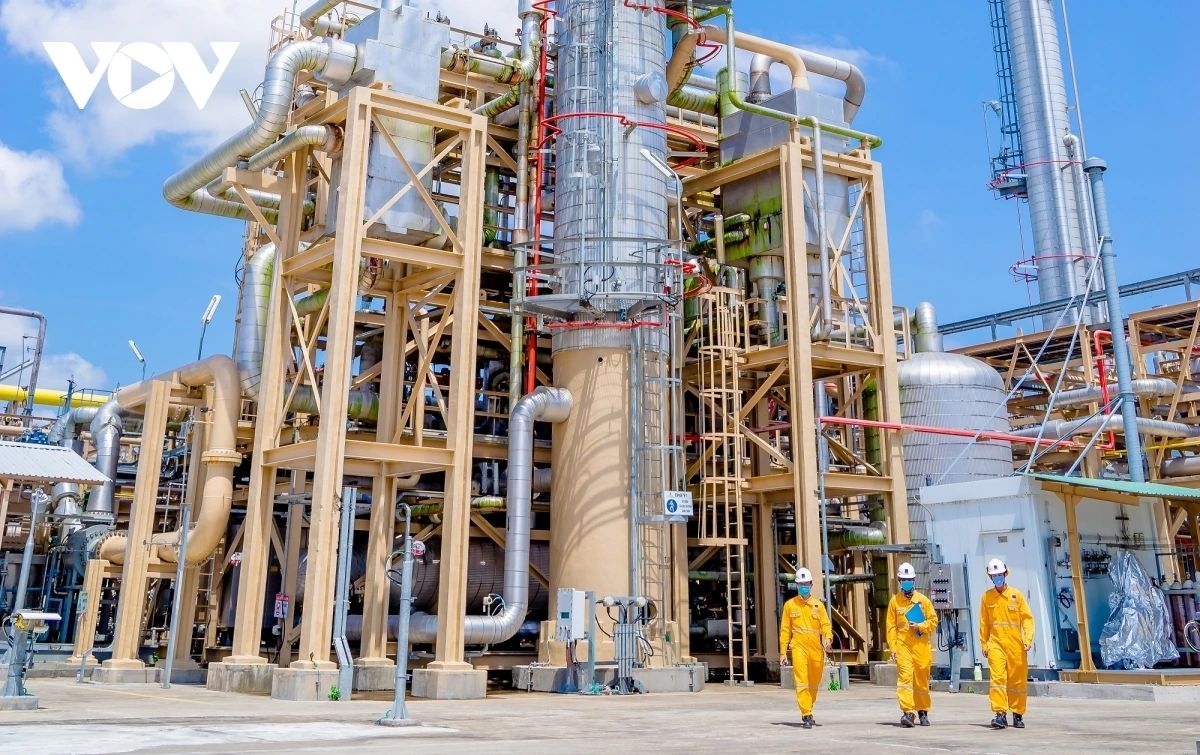
Vietnam has pledged to achieve net-zero emissions by 2050. In this context, natural gas is expected to act as a bridge fuel, balancing emissions reduction goals with energy security and economic growth.
Nguyen Van Tu, acting vice president of the Vietnam Petroleum Institute (VPI), points out that gas demand in power generation is unlikely to decline in the short term and may even rise as the economy expands.
However, he cautions that gas development planning must be closely aligned with electricity planning. Setting overly rigid Net Zero targets that require plants to scale down soon after commissioning could discourage investors and reduce project viability.
He proposes a phased transition approach in which Vietnam would prioritise gas and gas-fired power development through 2030 while piloting green hydrogen and ammonia projects. Between 2030 and 2040, the country could gradually implement fuel conversion initiatives, with large-scale replacement of natural gas by green hydrogen considered only after 2040. Such sequencing, he notes, would be more feasible from a technological, financial and market perspective.
Vietnam’s strategic location could position it as a regional LNG re-export and dispatch hub, while domestic gas projects such as Block B, Ca Voi Xanh (Blue Whale), and smaller fields in the Nam Con Son and Malay–Tho Chu basins remain potential supply sources.
According to Nguyen Mai Bich Tien of GreenYellow Vietnam, the global natural gas market is entering its largest expansion wave to date. Rebalancing global supply could ease medium-term price pressures, creating a window of opportunity for Vietnam to design a long-term LNG infrastructure strategy.
Policy bottlenecks risk delaying LNG expansion
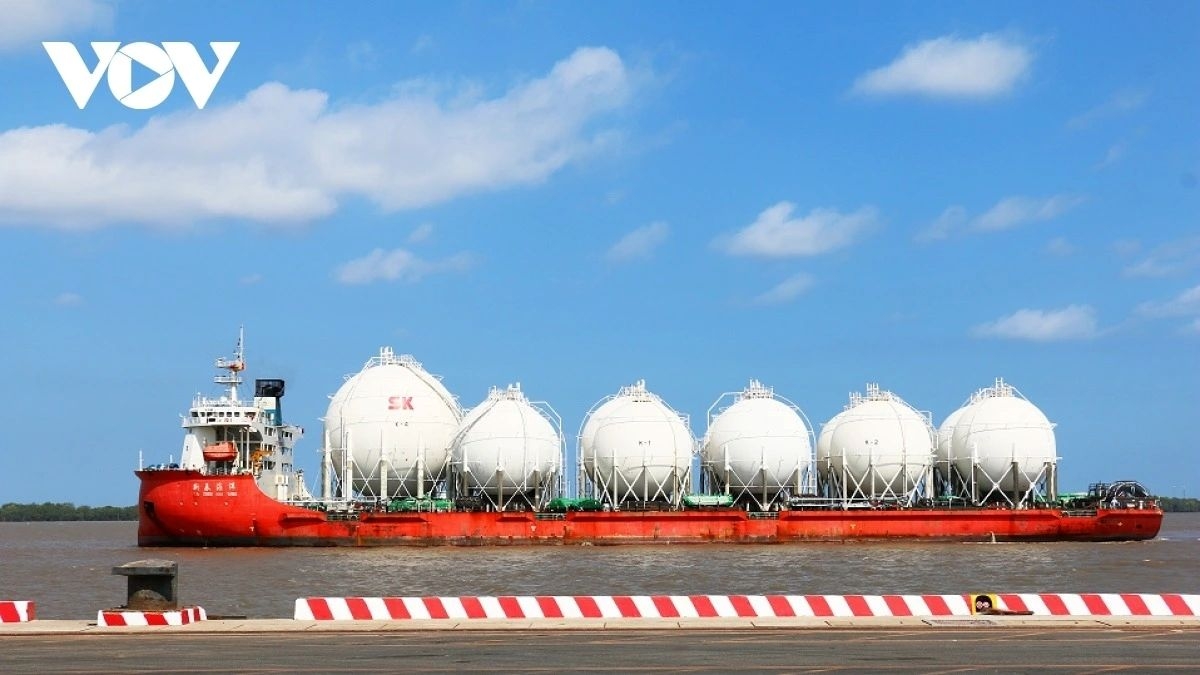
Economist Ngo Tri Long says Vietnam risks project delays and higher electricity costs if it fails to establish a transparent and internationally aligned gas market framework.
Vietnam previously relied mainly on domestically produced gas under long-term contracts with relatively stable pricing. Under PDP8, however, imported LNG is expected to become a major pillar of the power mix, replacing coal and stabilising the grid amid fluctuating renewable output.
Long identifies three major constraints. First, the legal framework remains geared toward domestic upstream gas production and has yet to fully adapt to a competitive LNG import model involving multiple stakeholders. The lack of clear separation between state management and commercial functions raises institutional risk.
Second, pricing mechanisms is project-specific, with no domestic benchmark gas price or effective hedging instruments. This creates a “policy lock-in” dilemma: administratively suppressing prices could deter investment, while uncontrolled pass-through would raise costs for the broader economy.
Third, LNG infrastructure remains fragmented. Many projects are designed as closed systems serving individual plants, limiting interconnectivity and competition at the regional and national levels.
Long adds that mobilising long-term capital is a critical challenge. International investors typically assess regulatory stability over a 15–20 year horizon. If legal frameworks remain subject to frequent changes and the electricity market is not fully competitive, large-scale capital flows into LNG infrastructure may be constrained.
In that case, fiscal risks could shift to the state budget or translate into higher energy prices, he warns.
Gas seen as balancing pillar for next two decades
Vietnam’s energy demand is projected to continue rising rapidly alongside industrialisation and urbanisation, while domestic fossil fuel reserves decline. Renewable energy capacity has expanded quickly but is constrained by storage limitations and market integration mechanisms.
Nguyen Quoc Thap of the Vietnam Petroleum Association says natural gas could serve as a balancing pillar for at least the next one to two decades.
Gas-fired power plants emit 40–50% less CO₂ than coal and produce minimal particulate matter and toxic emissions, making natural gas a practical option for developing economies seeking to cut emissions while maintaining grid stability and industrial output.
Experts agree that developing a transparent, synchronised and sustainable gas market will be essential for ensuring Vietnam’s long-term energy security and achieving its net-zero commitments.
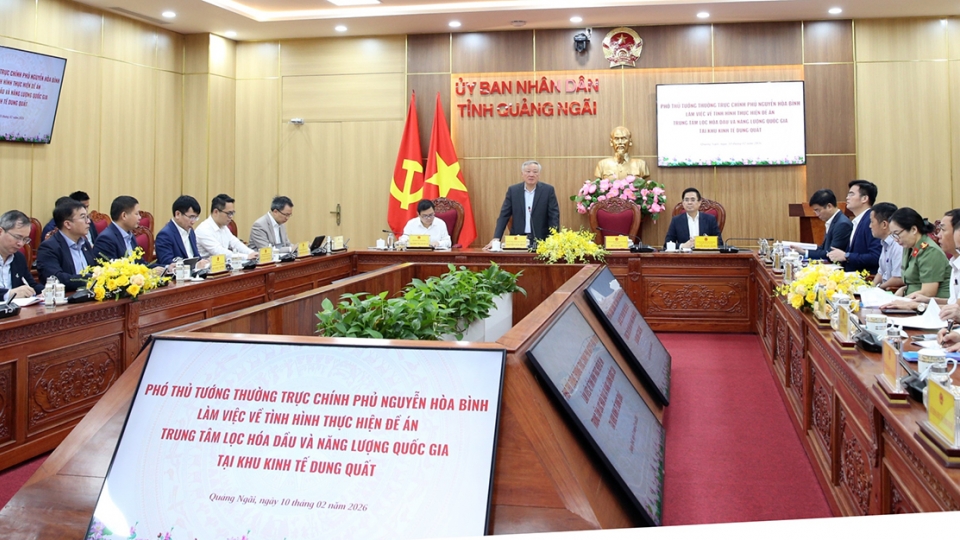
Deputy PM pushes development of Dung Quat national energy hub
VOV.VN - Standing Deputy Prime Minister Nguyen Hoa Binh on February 10 underscored the strategic importance of developing the National Oil Refining and Energy Centre at Dung Quat Economic Zone, describing it as a rare opportunity for Quang Ngai province and a project of national significance.