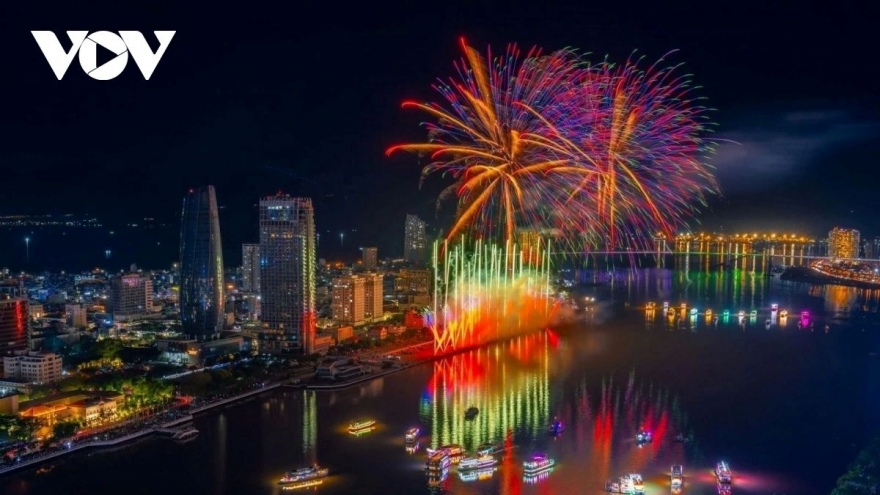
Da Nang accelerates ambition to become Asia’s premier tourism hub

The central coastal city of Da Nang is accelerating efforts to become a leading tourism centre in Asia, capitalising on strong recovery momentum and newly expanded development space.
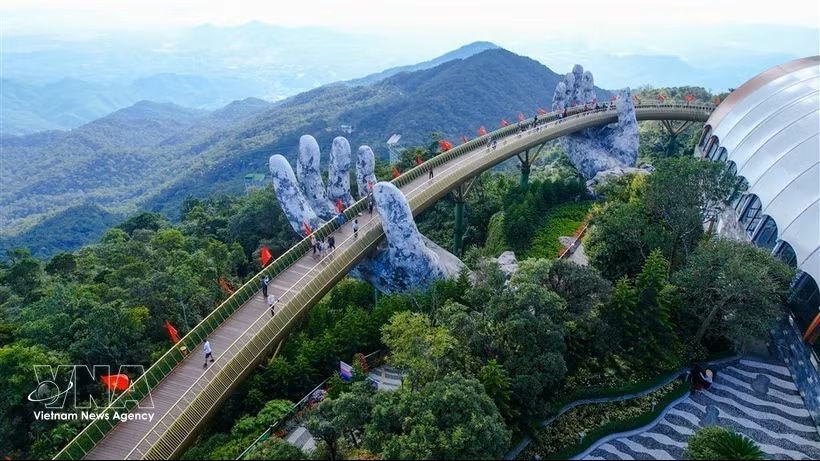
Following impressive tourism results in 2025 and encouraging growth signals in early 2026, the city is implementing a range of strategic measures to sustain double-digit growth and strengthen its position on the regional tourism map.
According to the municipal Department of Culture, Sports and Tourism, Da Nang welcomed more than 17.7 million visitors in 2025, up over 18% from 2024. International arrivals rose by more than 25% to over 7.6 million, while domestic tourists reached 10.1 million, an increase of over 13%.
Revenue from accommodation, catering and travel services exceeded VND57.3 trillion (US$2.17 billion), up more than 22% year on year.
The growth momentum has continued into 2026. In the first four months of the year, the city served nearly 6 million visitors, up 19.2% compared to the same period last year. International arrivals reached nearly 3.4 million, increasing 24.9%.
During the recent Hung Kings Commemoration Day and April 30-May 1 holidays, Da Nang ranked among Vietnam’s busiest tourism destinations, receiving around 1.46 million visitors, nearly 35% higher than the same period in 2025. Tourism revenue during the holiday was estimated at VND5.7 trillion.
The city’s aviation sector also reflects its growing appeal. Da Nang currently operates 27 air routes, including 20 regular international routes connecting key markets such as the Republic of Korea, Japan, Southeast Asia and the Middle East.
Despite the positive figures, Director of the municipal Department of Culture, Sports and Tourism Truong Thi Hong Hanh noted that several challenges remain.
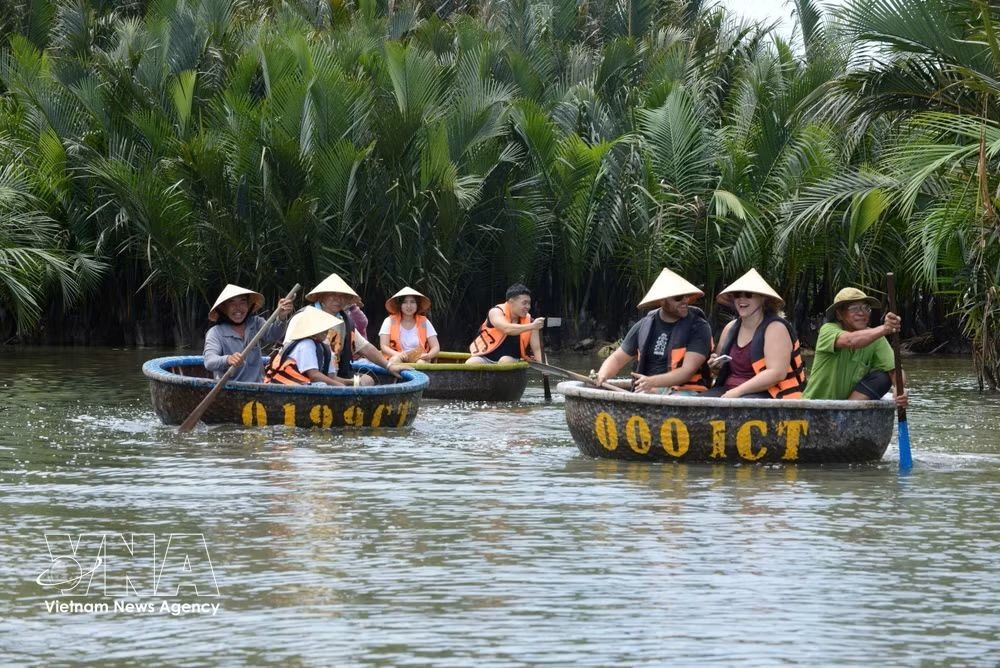
Popular destinations such as Han Market, Dragon Bridge and Hoi An Ancient Town often face overcrowding during peak hours, placing pressure on transport systems and environmental hygiene.
The city also lacks diversified tourism products tailored to ultra-luxury and high-spending travellers. Meanwhile, transport infrastructure in western mountainous and rural areas remains limited, restricting the development of inter-regional tourism links.
To maintain growth and move towards becoming a premier Asian tourism destination, Da Nang has outlined a comprehensive development strategy focused on both infrastructure and product diversification.
The city plans to expand tourism space beyond its traditional urban core by promoting stronger links between modern urban areas and surrounding ecological and cultural destinations.
Its tourism ecosystem is also being restructured around high-end resort tourism linked to real estate, MICE tourism, golf tourism, and emerging segments such as wedding tourism, medical tourism and the night-time economy.
Infrastructure upgrades and regional connectivity are regarded as essential to future growth. The city plans to upgrade Da Nang International Airport, transform Tien Sa Port into a specialised tourism port, and improve transport connections linking Da Nang with Hoi An, Tam Ky, Chu Lai and international border gates.
Hanh said the department has proposed accelerating the expansion of Terminal T1 and T2 at Da Nang International Airport while attracting investment into marina complexes and major tourism projects such as the Ngu Hanh Son Cultural-Historical Park and the International Fireworks Complex.
Tourism safety and environmental sustainability have also been prioritised. Authorities are being urged to prevent landslides in Hai Van Pass and Son Tra Peninsula and ensure safety for tourists travelling on inland waterways connecting the Han River and Cu Lao Cham Island.
To further boost international arrivals, Hanh proposed expanding visa exemption policies and introducing six-month to one-year visas for high-income travellers to encourage longer stays and higher spending.
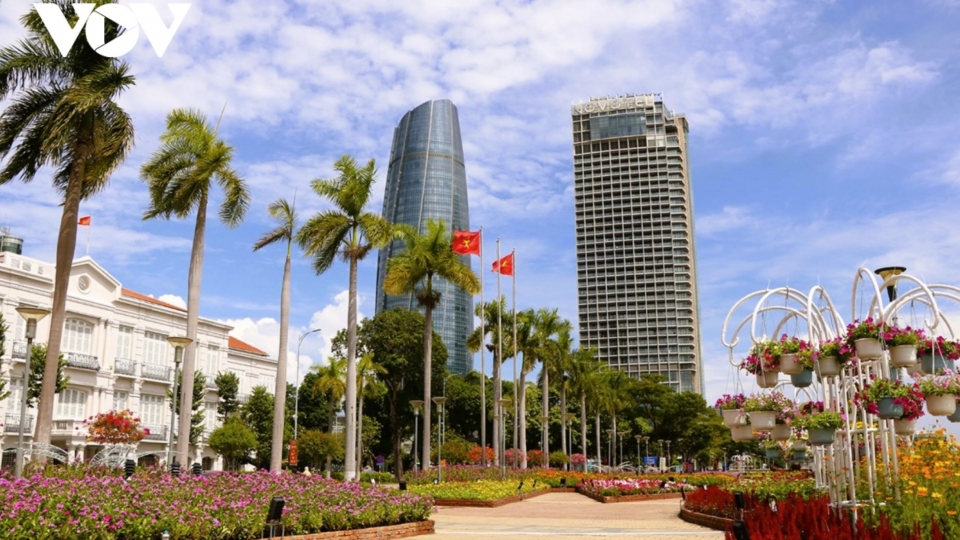
Da Nang draws global digital nomads, challenges Chiang Mai and Bali
VOV.VN - The central city of Da Nang in Vietnam is emerging as an attractive destination for the global digital nomad community, gradually competing with established centres such as Chiang Mai in Thailand and Bali in Indonesia.