
Tag: cultural identity
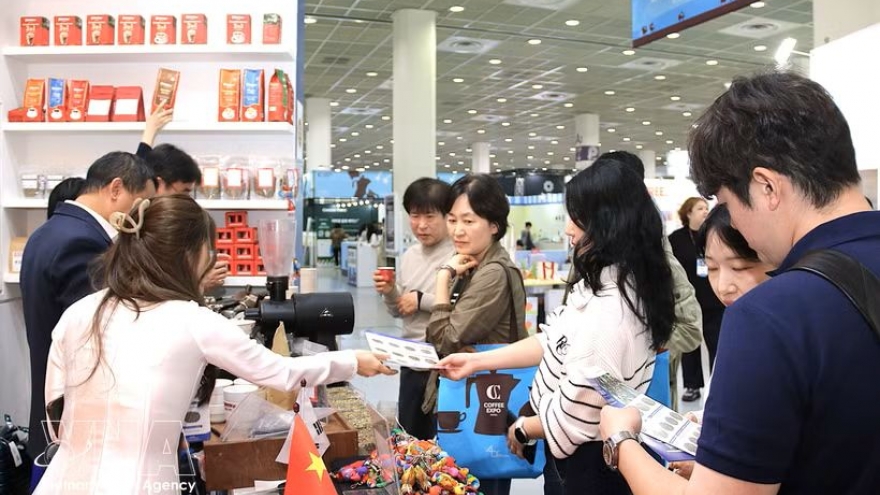
Cultural export: a lever to elevate Vietnamese brands
As global competition shifts from price to value, embedding cultural identity into products is emerging as a strategic pathway for local goods to stand out, positioning the country to transform its rich cultural assets into commercial strength in line with the Politburo’s Resolution 80-NQ/TW on cultural development.

Code of conduct aims to foster healthy digital culture
Vietnam’s Ministry of Culture, Sports and Tourism has introduced a new code of conduct for cultural behaviour in the digital environment, designed to promote a safe, respectful and healthy online space while encouraging the spread of positive and creative content reflecting national cultural identity.
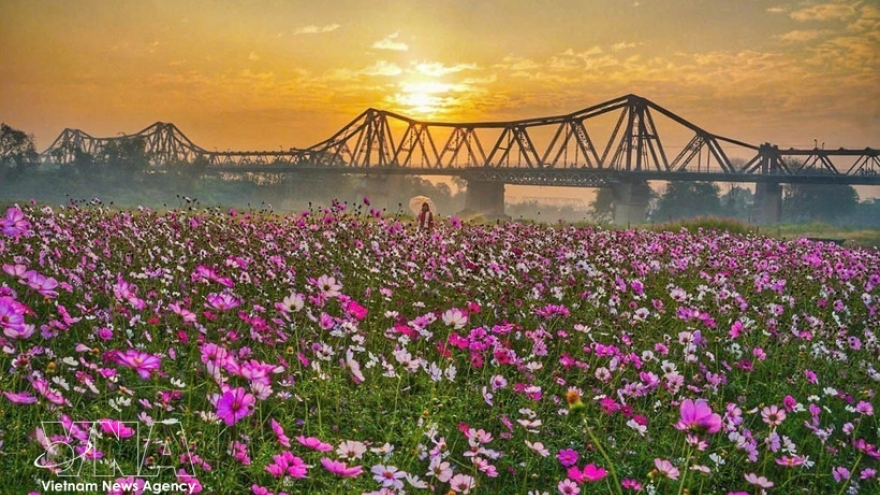
Vietnam sets out strategy to build stronger global national image
Vietnam is now taking steps to enhance its global profile through a comprehensive communication strategy aimed at promoting the country’s image overseas for the 2026–2030 period, with a vision to 2045.
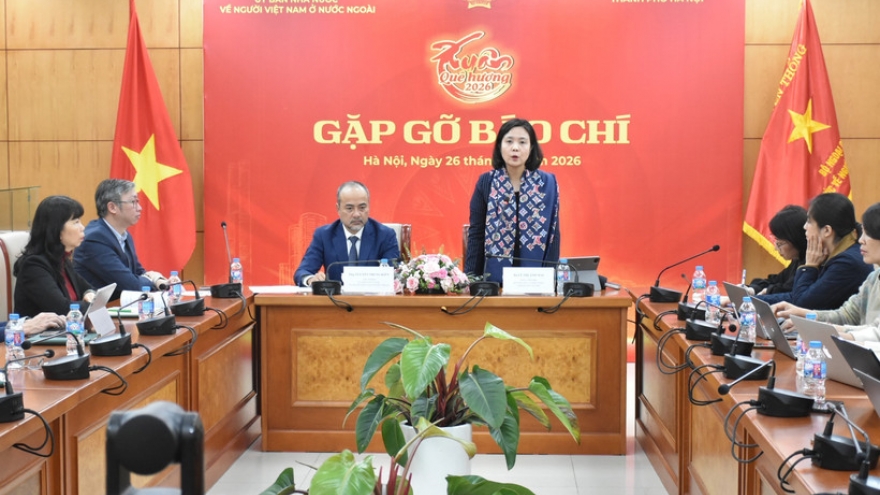
Homeland Spring 2026 underscores unity and aspirations of OVs
The Homeland Spring 2026 programme is set to take place from February 6–9 in Hanoi and Ninh Binh, featuring a wide range of meaningful activities rich in national cultural identity and reflecting Vietnam’s vision and development aspirations in a new era.
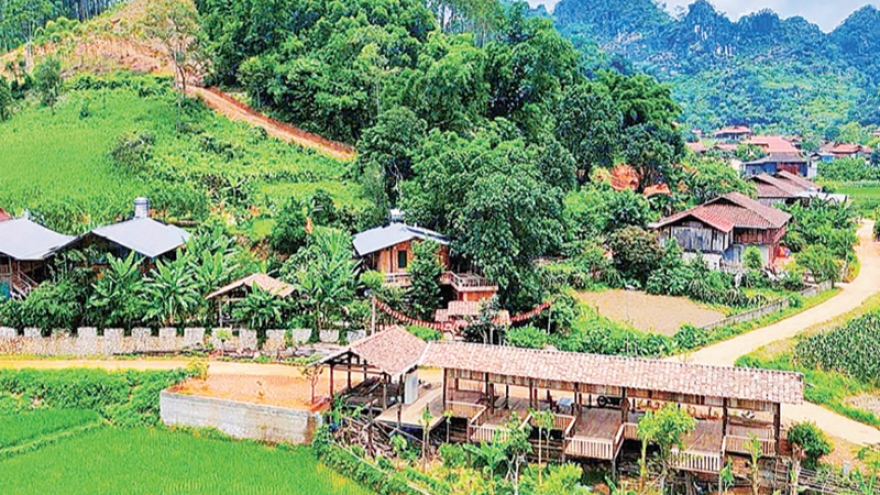
Revitalising cultural identity through community-based tourism
In line with the Party’s resolutions on developing tourism in close association with cultural preservation, many localities across Vietnam have opted for a development pathway rooted in indigenous resources.
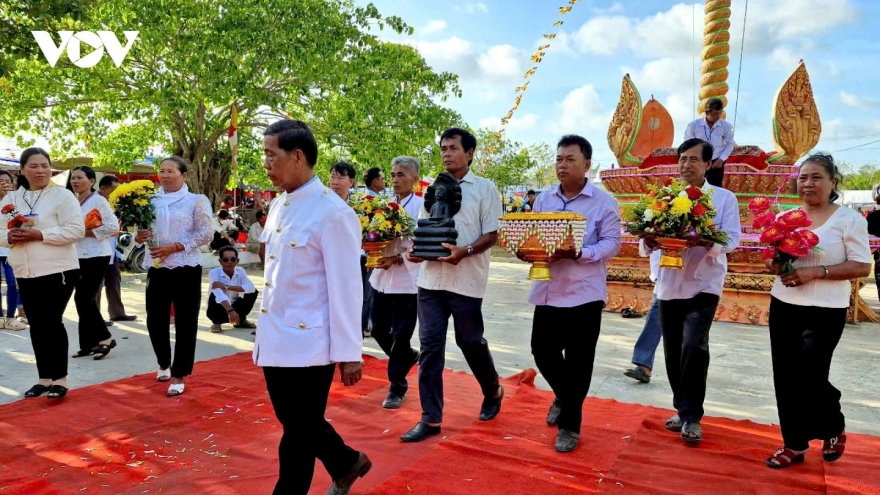
Preserving cultural identity of Khmer people in southern Vietnam
VOV.VN - The traditional cultural values of the Khmer community in southern Vietnam continue to be preserved and passed down through generations, forming a distinctive cultural identity rooted in music, language, festivals, folk dances and traditional attire.

Music video honours Vietnamese cultural identity
The Tinh Hoa Viet 2025 Award, an nationwide award that honours contributors to the development of Vietnamese culture, has released its music video (MV) Vietnam Tinh Hoa on Youtube, conveying the message that preserving Vietnamese cultural identity relies on the creative community joining hands.
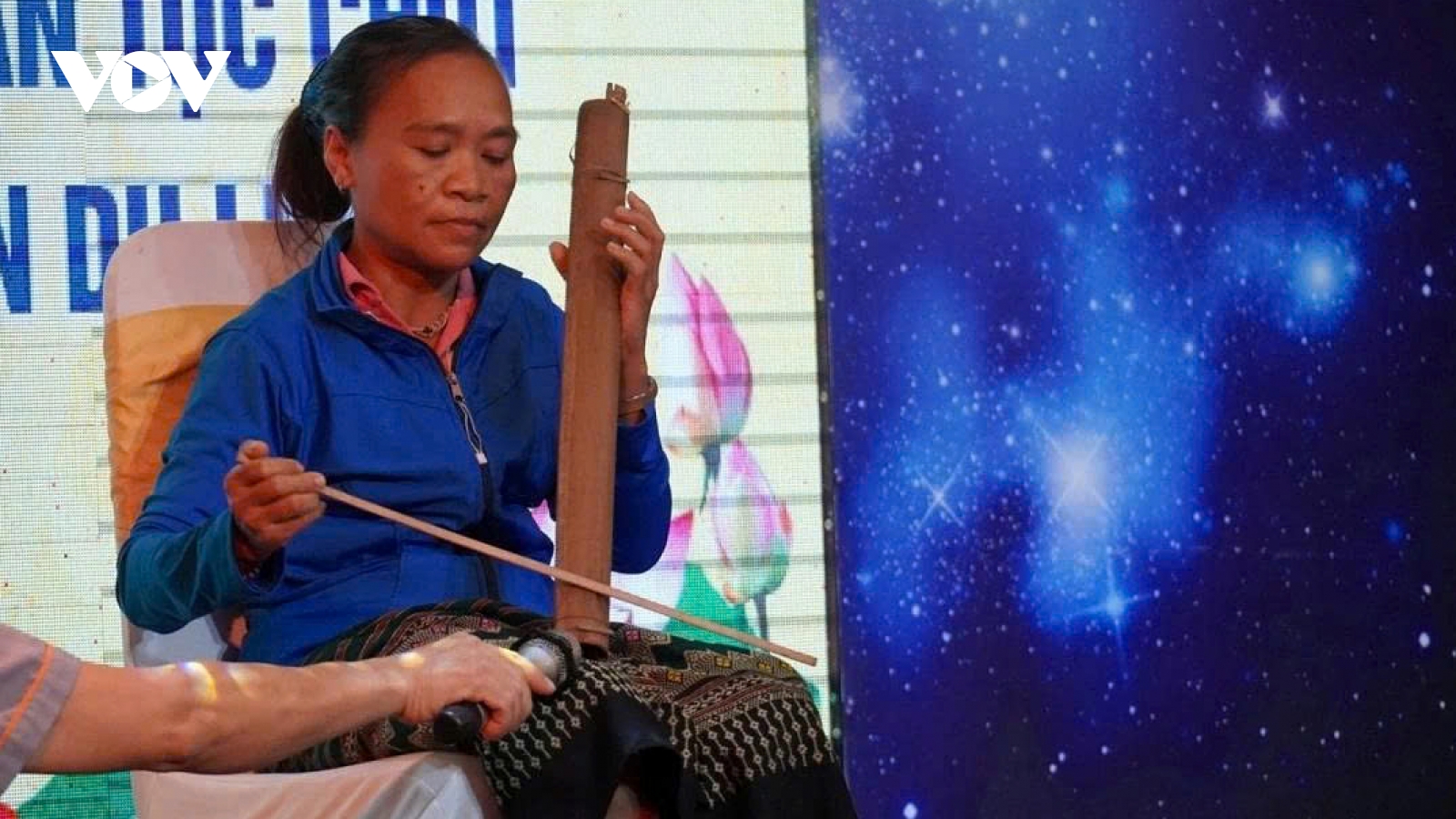
Chut ethnic people preserve cultural identity, connecting the present and the future
VOV.VN - Throughout their history of survival and growth, the Chut ethnic people have created and safeguarded numerous distinctive material and spiritual cultural values, enriching Vietnam’s cultural heritage.
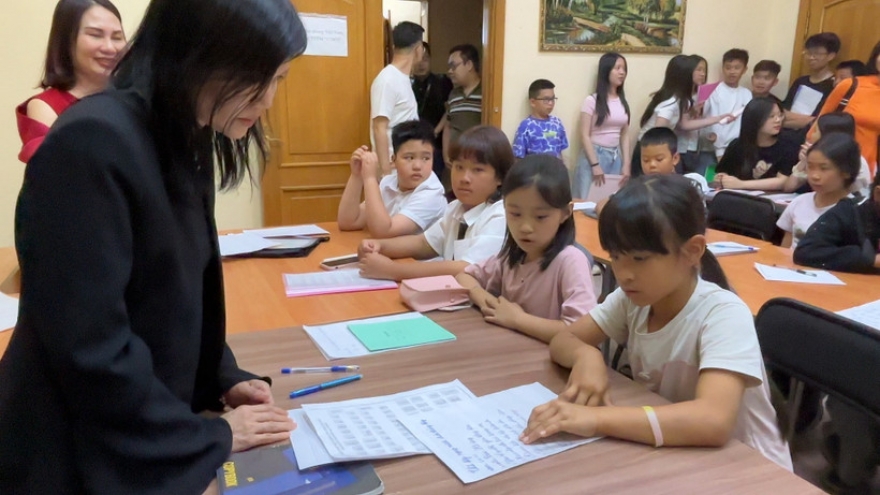
Vietnamese community in Russia fosters cultural identity, language integration
Despite having acquired Russian citizenship, the Vietnamese community of nearly 2,000 people in Ufa, the capital of the Republic of Bashkortostan (Russia), continues to place strong emphasis on preserving its cultural identity and staying connected to its homeland through Vietnamese language classes.
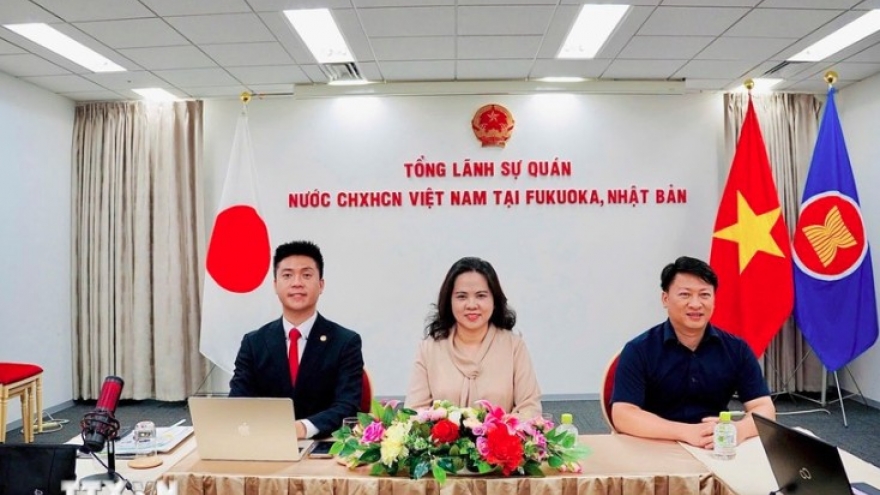
Training course opens for overseas Vietnamese language teachers
An online training course for Vietnamese language teachers abroad opened on July 26, aiming to equip them with effective, accessible methods and materials to help younger generations preserve their mother tongue and cultural identity.