Preserving cultural identity of Khmer people in southern Vietnam

VOV.VN - The traditional cultural values of the Khmer community in southern Vietnam continue to be preserved and passed down through generations, forming a distinctive cultural identity rooted in music, language, festivals, folk dances and traditional attire.
In Khmer villages, Buddhist pagodas serve not only as places of worship but also as centres of cultural and educational life. At Bang Cro Chap Thmay Pagoda in Tan Thanh commune, Can Tho city, local children and teenagers regularly gather at the pagoda after school to practise traditional Khmer dances.
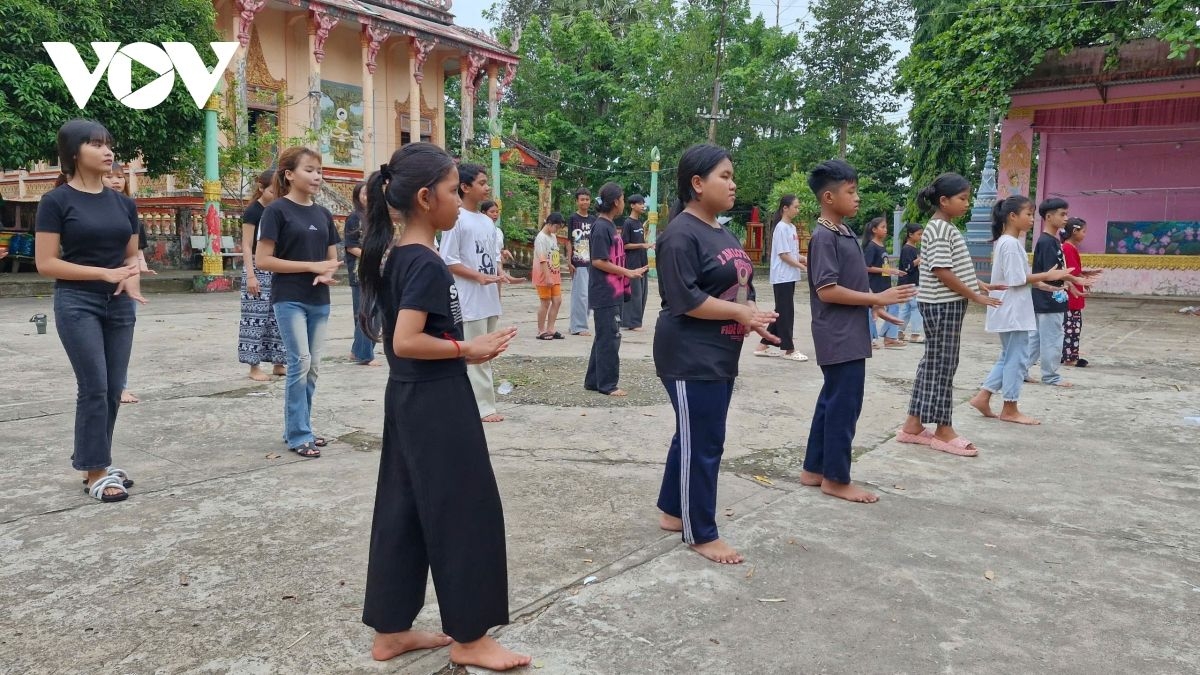
According to Lam Thi Hau, who initiated the dance activities, participation has steadily increased, with up to 50 children joining at peak times.
“We initially selected 15 children to form a performance team for festivals. As they grew older, many returned to help the pagoda and teach younger children,” she says.
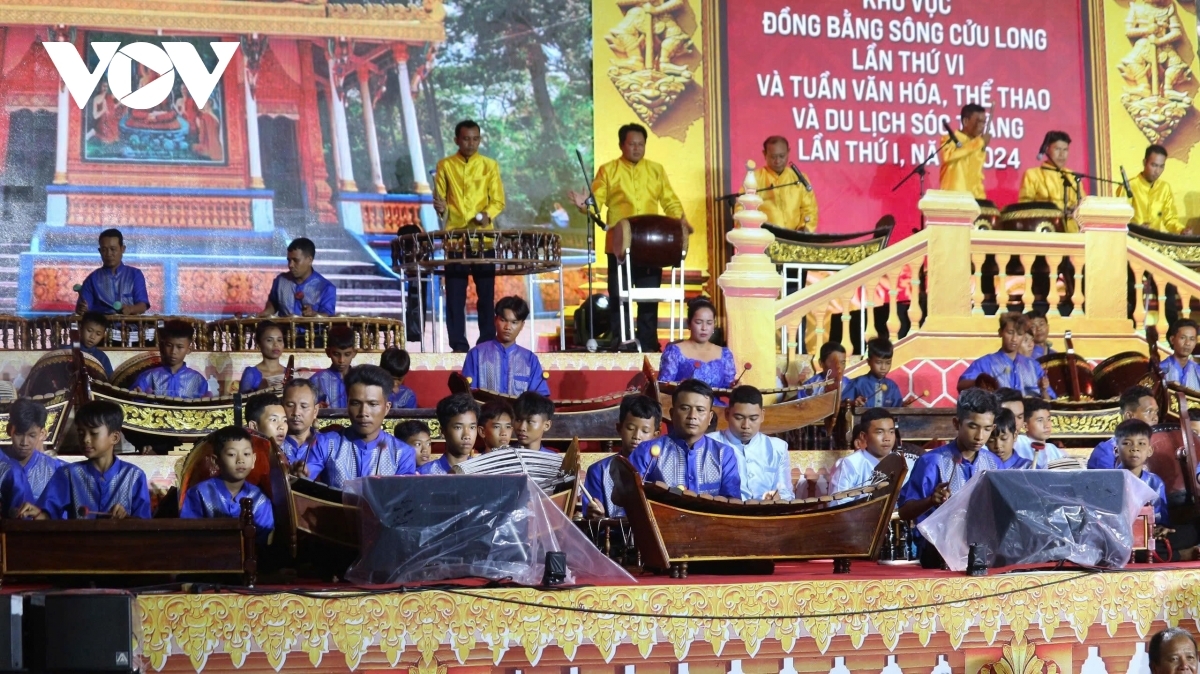
The growing engagement of young Khmer people reflects a rising awareness of their role in preserving ethnic cultural heritage. Across the region, dance clubs, traditional ngũ âm (five-tone) music ensembles and community art groups have been established, helping bring Khmer culture closer to the wider public.
Lam Thi Ngoc Linh, a member of the arts club at Bon Mat Pagoda in Thuan Hoa commune, Can Tho, recalls she joined out of a passion for traditional dance.
“We want to help preserve and further develop classical forms such as Ro Bam and Rom Vong,” she says.
Alongside community efforts, local authorities have introduced programmes and policies aimed at safeguarding and promoting Khmer cultural heritage. Traditional festivals and religious ceremonies are organised in line with customary practices, contributing to cultural preservation and strengthening national unity.
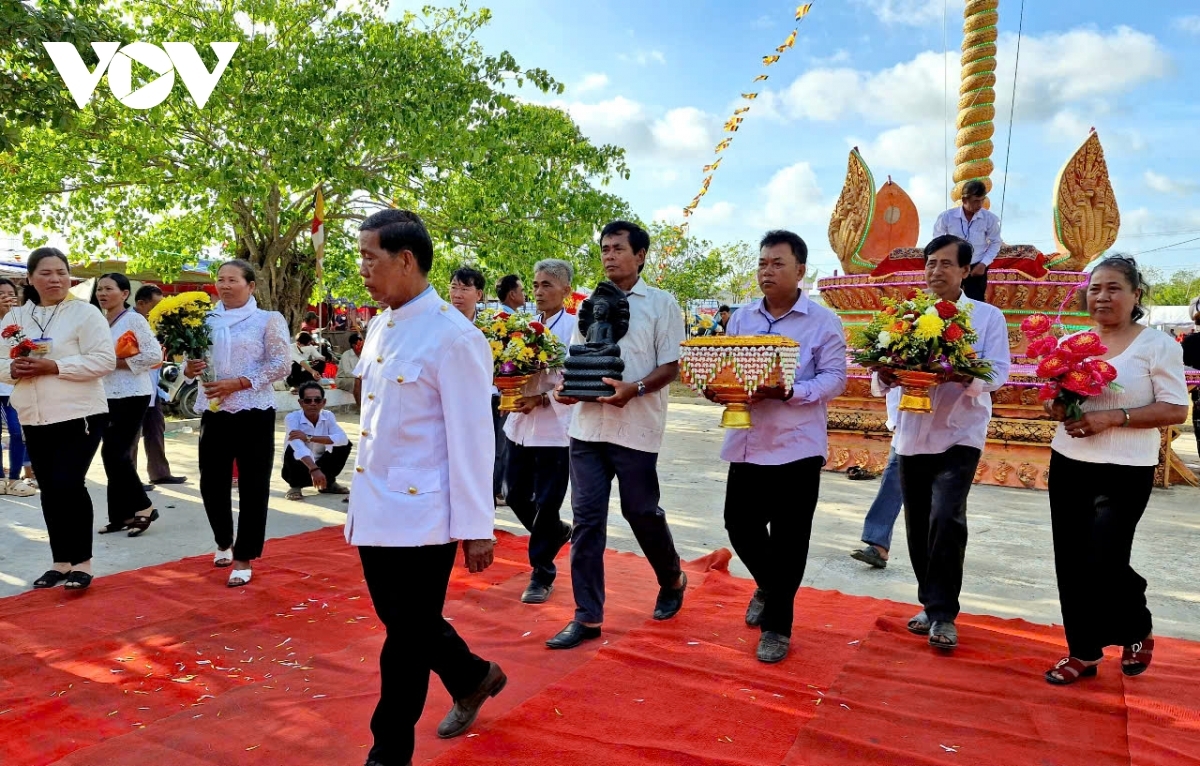
One prominent example is the Chroi Rum Chek Festival, held in Ca Lang A Bien village, Vinh Chau ward, Can Tho city. Local residents say the festival dates back around 300 years and is held annually on the 14th and 15th days of the second lunar month. It is intended to pray for peace, favourable weather and prosperity, while honouring ancestors, nature and the sea, which provides livelihoods for many coastal residents.
Son Thol, a senior achar (lay religious leader) at Seray Cro Sang Pagoda, says the festival reflects the community’s deep connection with the sea.
“Most people here rely on fishing. The ceremony expresses gratitude to the sea for sustaining our lives, and it has been maintained for generations,” he explains.
In recent years, with increased support from authorities, the Chroi Rum Chek Festival has been enhanced in both content and presentation, attracting large crowds and strengthening solidarity among Kinh, Khmer and Hoa communities living in the area. Last year, the festival was officially recognised by the Ministry of Culture, Sports and Tourism as a national intangible cultural heritage.
“This recognition is a great source of pride,” says Son Wath, a member of the Seray Cro Sang Pagoda management board. “The festival has existed for hundreds of years, and its designation as national intangible heritage is deeply meaningful for our community.”
Efforts to preserve Khmer cultural identity also extend to the protection of historical sites. O Chumaram Prek Chek Pagoda in Nga Nam ward played a significant role during Vietnam’s resistance wars against French colonial rule and later against the US imperialism, providing shelter for revolutionary cadres and enduring heavy bombardment. The pagoda now stands as a testament to the region’s revolutionary history.
Local authorities have invested in restoration and conservation, and the pagoda was designated a provincial-level cultural relic in 2008.
“The pagoda sheltered many revolutionaries during the wars, which is why it has received special attention and restoration support,” says Venerable Son Phuoc Loi, its abbot.
Preserving and promoting Khmer cultural heritage is a long-term process. With the combined efforts of local communities, authorities and society at large, the traditional values of the Khmer people in the south continue to be safeguarded and passed on to future generations.
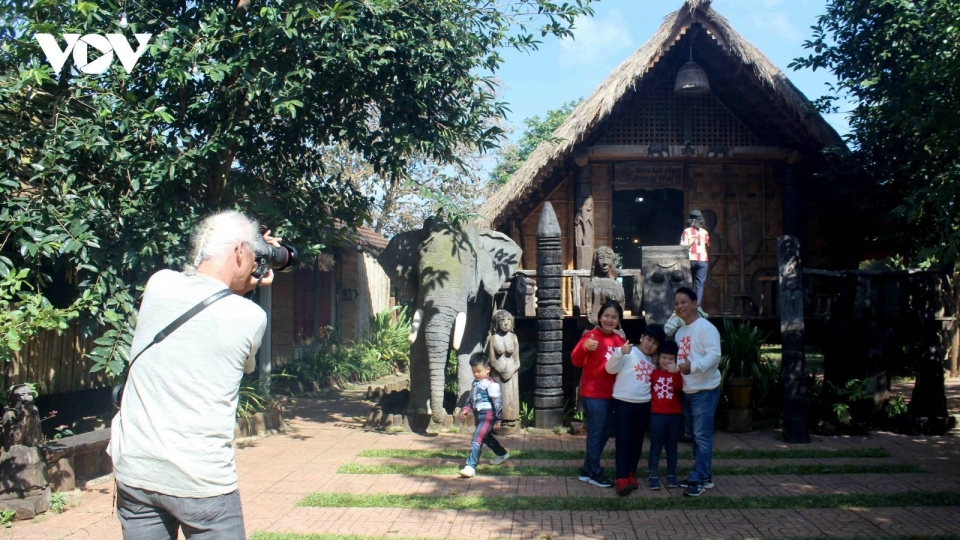
Gong performances and cultural experiences draw visitors to Dak Lak in New Year
VOV.VN - At the start of 2026, many visitors choose eco-cultural tourism sites or travel to villages in Dak Lak province, Vietnam’s Central Highlands, to listen to gong performances, join xoang dances, and experience the everyday cultural life of the E De ethnic people.