Vietnamese women drive economic growth, innovation, gender equality progress

VOV.VN - From business leadership to UN peacekeeping missions, Vietnamese women are increasingly shaping economic growth, innovation and gender equality.
In the course of Vietnam’s modern development, women are increasingly asserting their role, position, and contributions across many sectors of society. From the economy and science and technology to leadership, governance and social activities, Vietnamese women are not only an important part of the workforce but also a key driver of growth, innovation and sustainable development.
A vital force in the economy

According to the National Statistics Office, Vietnam had about 25.1 million female workers in 2025, accounting for roughly 46.8% of the national labour force. Women’s labour force participation rate stands at around 62.4%, among the highest in the region and globally. This reflects the strong presence of women in production, business and service activities across the economy.
Women are active in many of the country’s key industries, from agriculture and manufacturing to services and the digital economy. In the textile and garment sector, one of the country’s major export industries, women make up around 75% of the workforce, helping generate tens of billions of dollars in export value each year.
In agriculture, women are involved in nearly every stage of the production chain, from cultivation and harvesting to processing and marketing. In many rural communities, they play a dual role as both producers and key contributors to household economic stability.
Beyond participation in the workforce, women are also increasingly visible in entrepreneurship and corporate leadership. Approximately 28.2% of enterprises in Vietnam are owned by women, while many female leaders hold key positions in major companies.
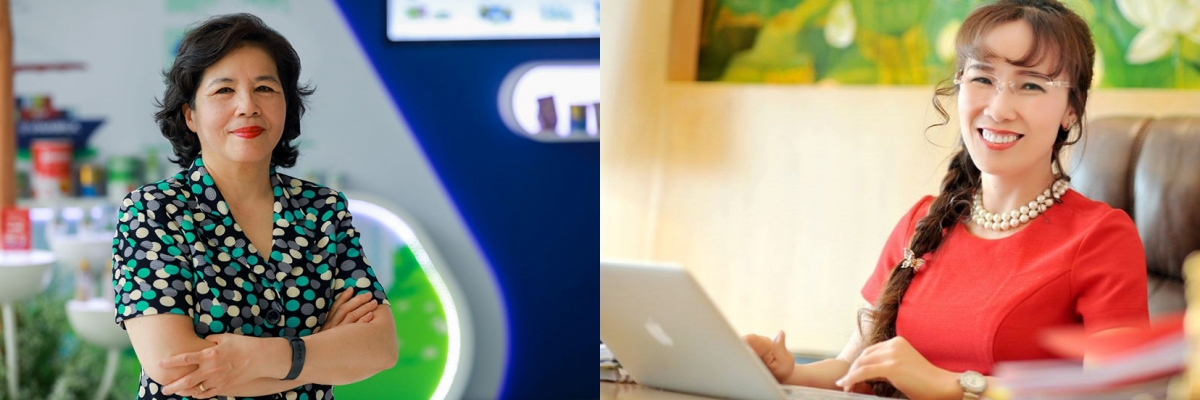
Among prominent female entrepreneurs is Nguyen Thi Phuong Thao, Chairwoman of VietJet Air and Sovico Group. She is widely known as Vietnam’s first female billionaire and has repeatedly appeared on Forbes’ global billionaire lists.
Another notable figure is Mai Kieu Lien, Chief Executive Officer of Vinamilk. She has been recognised several times by Fortune magazine among Asia’s most powerful businesswomen. Under her leadership, Vinamilk has grown into one of the region’s leading dairy companies, exporting products to more than 60 countries and territories worldwide.
These success stories highlight that Vietnamese women are not only participating in the economy but are also leading and shaping its development.
Increasing role in innovation and leadership
As Vietnam accelerates digital transformation and embraces the Fourth Industrial Revolution, women’s participation in innovation and entrepreneurship is becoming more prominent. Women-led businesses are not only generating employment but also contributing to economic growth and promoting Vietnamese brands in global markets.
Many experts argue that women’s participation in leadership and management brings significant value to organisations and society. Research on gender equality suggests that gender diversity in governance can foster innovation, improve decision-making and enhance organizational performance.
At recent gender equality forums, experts noted that women should be viewed not only as a labour force but also as a catalyst for innovation and sustainable economic growth.
In politics and public administration, the representation of women has also improved in recent years. According to international statistics, women hold more than 30% of the seats in Vietnam’s legislative body, reflecting progress in promoting women’s participation in policymaking.
Contributions to international activities and peacekeeping
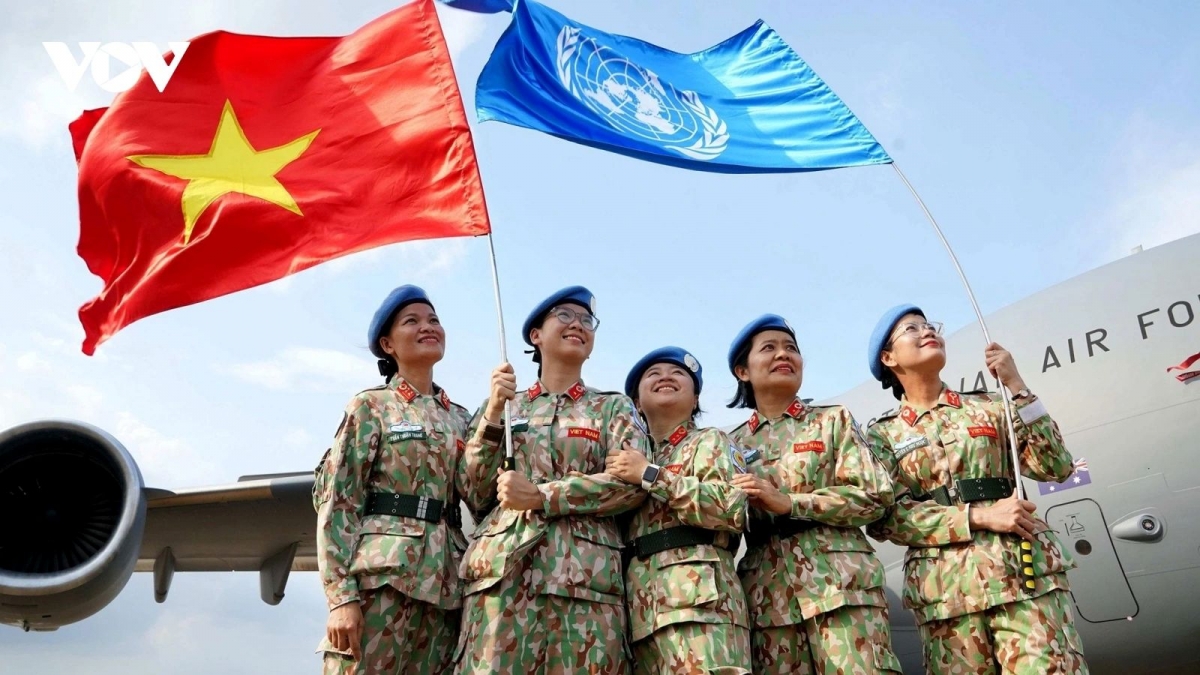
Vietnamese women are also playing an active role on the international stage. One notable example is their participation in United Nations peacekeeping operations.
Vietnam began joining UN peacekeeping missions in 2014, and to date has deployed nearly 1,100 personnel to international missions. Among them, women account for about 16%, higher than the average rate of around 10% in many participating countries.
Vietnam’s female peacekeepers serve in various roles, including military observers, staff officers, doctors and nurses at Level-2 field hospitals in South Sudan and the Abyei area.
They have been highly praised by the United Nations for their professional competence, strong sense of responsibility and ability to adapt to challenging international environments.
Their presence in peacekeeping missions not only demonstrates professional capability but also enhances the image of Vietnam as a responsible and proactive contributor to global peace and security.
Advancing gender equality and women’s empowerment
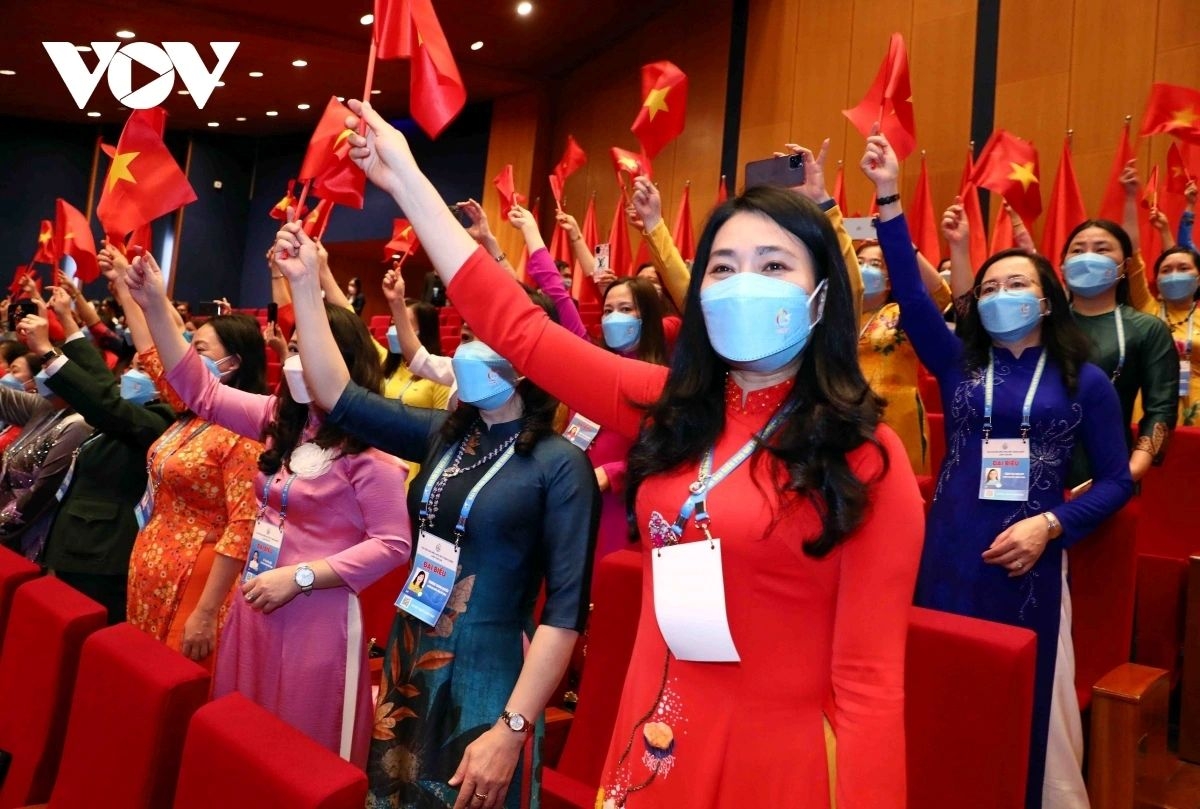
The achievements of Vietnamese women are closely linked to the country’s long-standing efforts to promote gender equality.
In the political sphere, women currently account for over 30% of members of the National Assembly, placing Vietnam among countries with relatively high female representation in the Asia-Pacific region. In the 15th National Assembly, women make up about 30.26% of deputies, reflecting growing participation in national decision-making bodies.
Vietnam has also introduced a range of policies to advance gender equality and strengthen women’s participation across social and economic sectors. These include the National Strategy on Gender Equality for 2021–2030 and the National Action Plan on Women, Peace and Security for 2024–2030, aimed at enhancing women’s roles in politics, the economy, diplomacy and national security.
According to official assessments, by around 2025 Vietnam has achieved or exceeded 13 out of 20 targets set in the National Strategy on Gender Equality, demonstrating positive progress in policy implementation.
These efforts have helped create more favourable conditions for women to develop their potential and participate fully in decision-making processes.
International organisations have also recognised Vietnam’s progress. According to the Global Gender Gap Index, the country has closed more than 70% of its gender gap, placing it among the nations making notable progress in the region.
In a report on gender equality in Vietnam, UN Women emphasised that advancing women’s rights is not only a social issue but also closely linked to national development. “Gender equality is not a marginal issue, but the core to the quality, permanence and progress of Vietnam’s socio-economic development,” said the report.
Caroline T. Nyamayemombe, UN Women Country Representative in Vietnam, also highlighted the country’s progress. “The Government of Vietnam has maintained its momentum on advancing gender equality and gained notable improvements in this sector,” she noted.
Challenges and remaining gaps
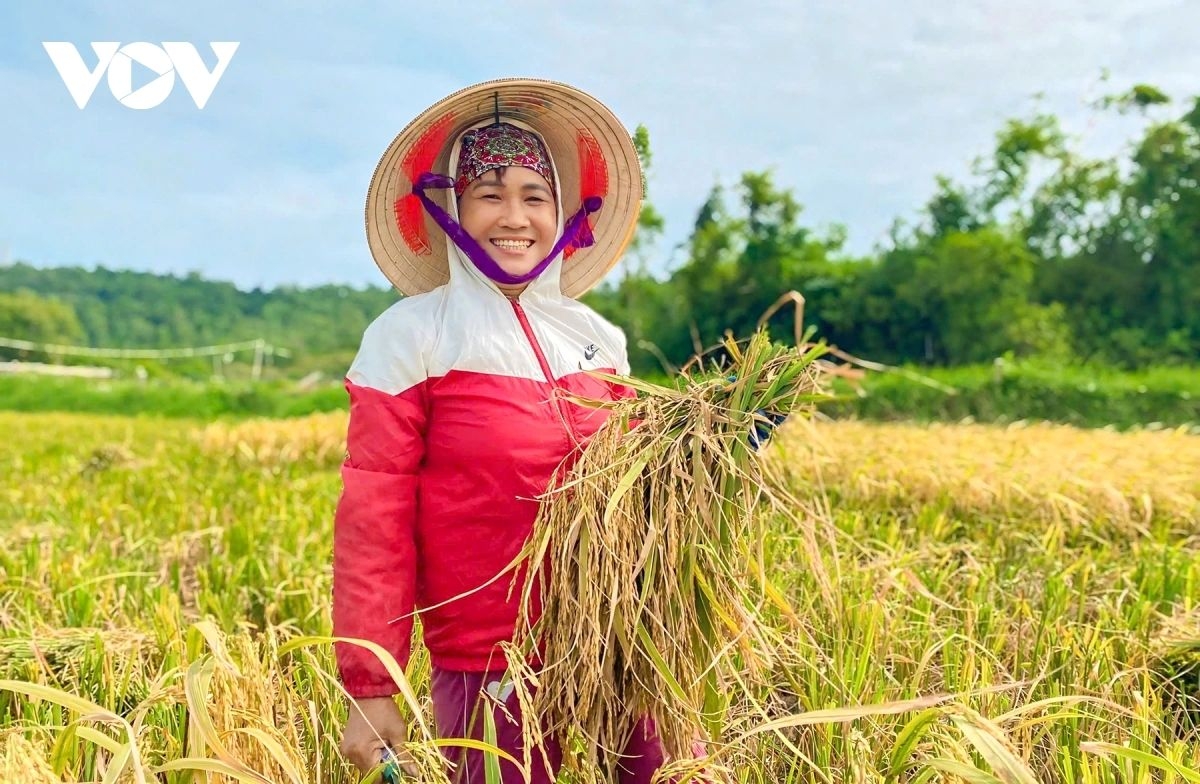
Despite significant progress, Vietnamese women still face several barriers in career development.
One of the major challenges is the gender income gap. According to the National Statistics Office, in the first quarter of 2025 men earned an average monthly income of about VND9.3 million, while women earned around VND7.1 million.
Even among salaried workers, men earned about VND9.8 million per month, compared with VND8.9 million for women, indicating that income disparities persist.
Research by the International Labour Organisation (ILO) also suggests that women in Vietnam earn 13–17% less than men, even when working similar hours. The reasons often cited include women’s concentration in lower-paying sectors, family care responsibilities, and fewer opportunities for promotion and leadership positions.
Traditional social norms and family responsibilities can also limit women’s access to training opportunities, leadership networks and career advancement.
Experts emphasize that narrowing the gender gap is not only a social priority but also an economic imperative. International studies estimate that gender inequality can result in significant economic losses if left unaddressed.
Vietnamese women in a new era of development
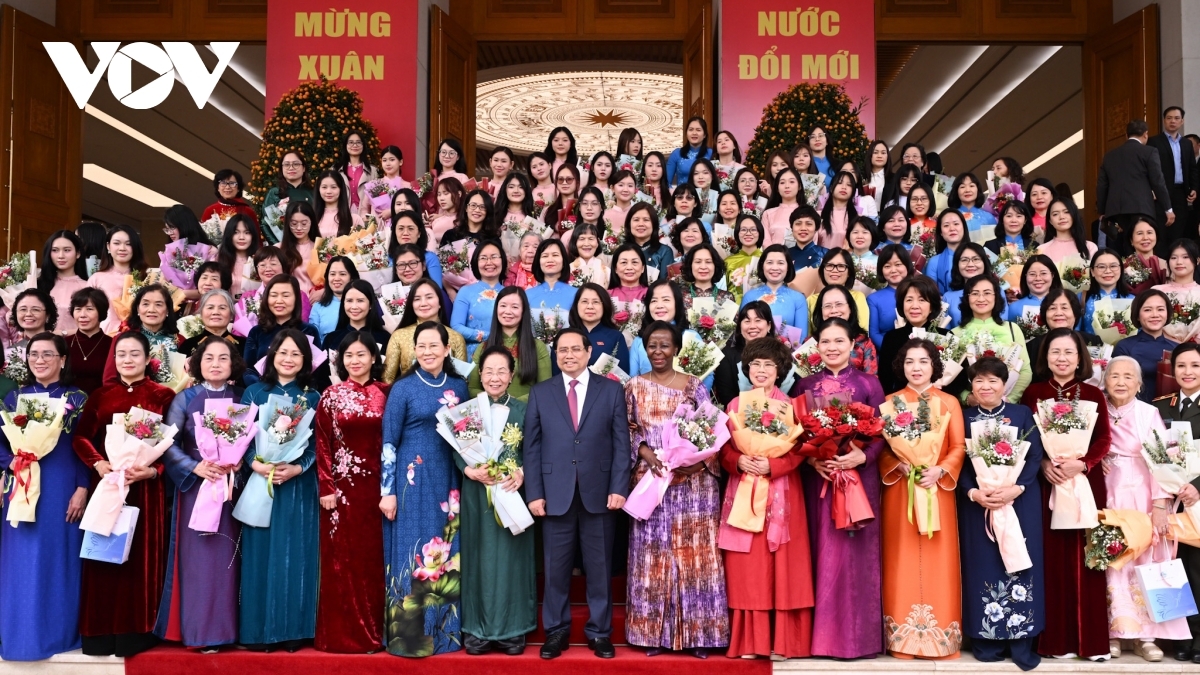
In the context of digital transformation, green growth and deeper global integration, Vietnamese women are gaining more opportunities to realise their potential and contribute to national development.
Programmes supporting women’s entrepreneurship, digital skills training and economic empowerment are being expanded, enabling women to participate more actively in emerging sectors such as the digital economy, technology, innovation and sustainable development.
Many researchers believe that unlocking the potential of women’s human capital will not only improve the quality of the national workforce but also accelerate Vietnam’s sustainable development and global integration.
Throughout the country’s history, Vietnamese women have played a vital role in every stage of national development, from the struggle for independence to the process of economic and social transformation. Today, with knowledge, resilience and creativity, Vietnamese women continue to strengthen their presence not only within families but also in businesses, communities and public institutions.
From successful entrepreneurs in global markets to female peacekeepers serving under the United Nations flag, Vietnamese women are contributing to an image of Vietnam as a dynamic, innovative and responsible member of the international community.
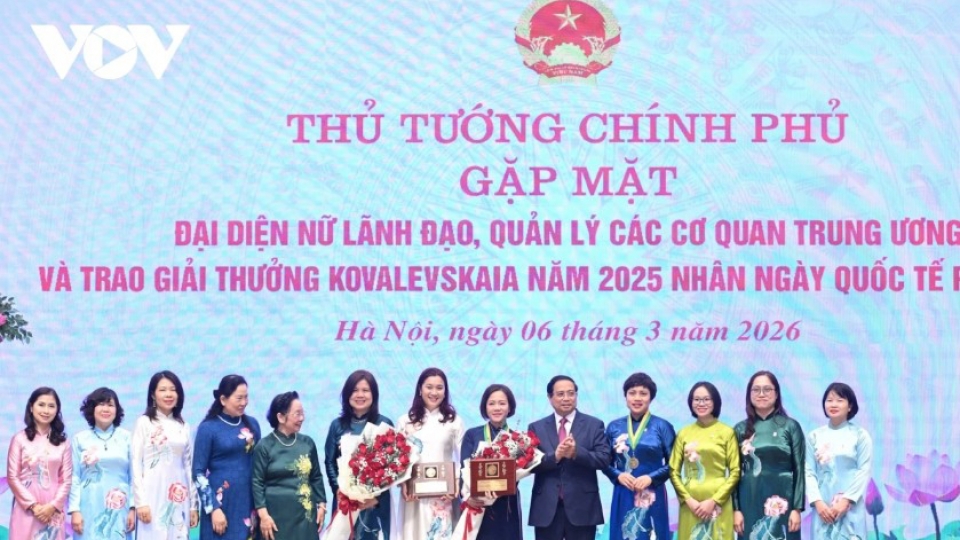
PM Chinh proposes new award to honor talented, creative and dedicated women
VOV.VN - Prime Minister Pham Minh Chinh on March 6 met with female leaders and managers from central agencies and presented the 2025 Kovalevskaia Award at the Government Headquarters, marking the 116th anniversary of International Women’s Day (March 8) and the 1986th anniversary of the Hai Ba Trung Uprising.