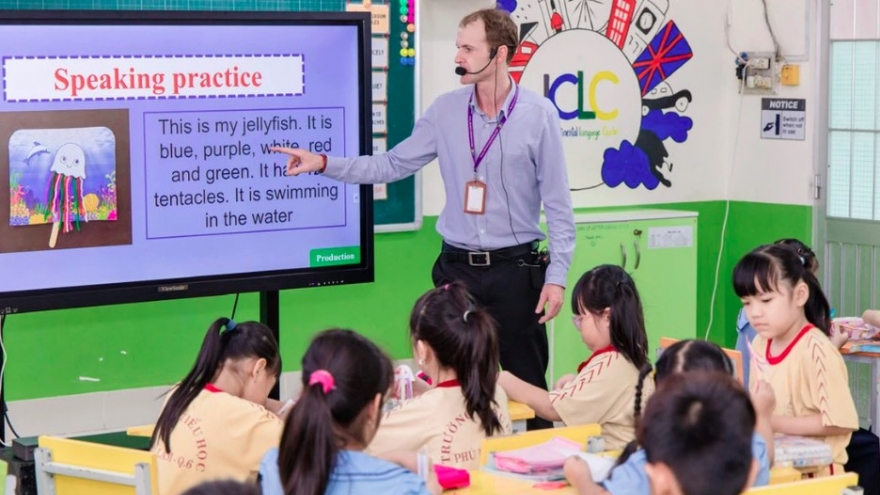
Efforts to make English a second language in Vietnamese schools

VOV.VN - The Government of Vietnam has recently approved a long-term initiative to establish English as a second language in schools nationwide, aiming to strengthen students’ language skills and prepare a high-quality workforce for the digital era and global integration.
The project titled “English as a Second Language in Schools” will be implemented from 2025 to 2035, with a vision extending to 2045. It targets children, students, and university learners across all levels of education.
Global context and strategic importance

English serves as an official or secondary language in 54 countries and 27 territories, including the United States, United Kingdom, Canada, Australia, India, Singapore, Malta, Hong Kong, and Taiwan. These regions are known for advanced science, technology, and economic development, collectively accounting for 45% of global GDP in 2023.
English is also the dominant language in international scientific publications, representing approximately 95% of total outputs, and accounts for 63% of global media content. Enhancing English proficiency among Vietnamese students is therefore not only an educational goal but also a strategic measure to develop global citizens capable of leveraging international knowledge, digital tools, and artificial intelligence.
Building a nationwide English ecosystem
Currently, English instruction in Vietnam focuses on grammar and vocabulary as a foreign language, with limited emphasis on practical skills for listening, speaking, reading, and writing. According to Professor Le Anh Vinh, director of the Vietnam Institute of Educational Sciences, transforming English into a second language is a complex, long-term task requiring a clear roadmap and systematic implementation.
The project aims to create an English-speaking ecosystem across all levels of education. In preschools, children will be introduced to English and develop basic communication skills. Primary and secondary students will strengthen their English proficiency to support learning, extracurricular activities, and real-world experiences, contributing to holistic development.
Universities will expand English-medium instruction, strengthen faculty capacity, and serve as central hubs in the national English ecosystem. Vocational and adult education institutions will focus on improving English communication and professional skills to meet the needs of both domestic and international labor markets.
Implementation and resources
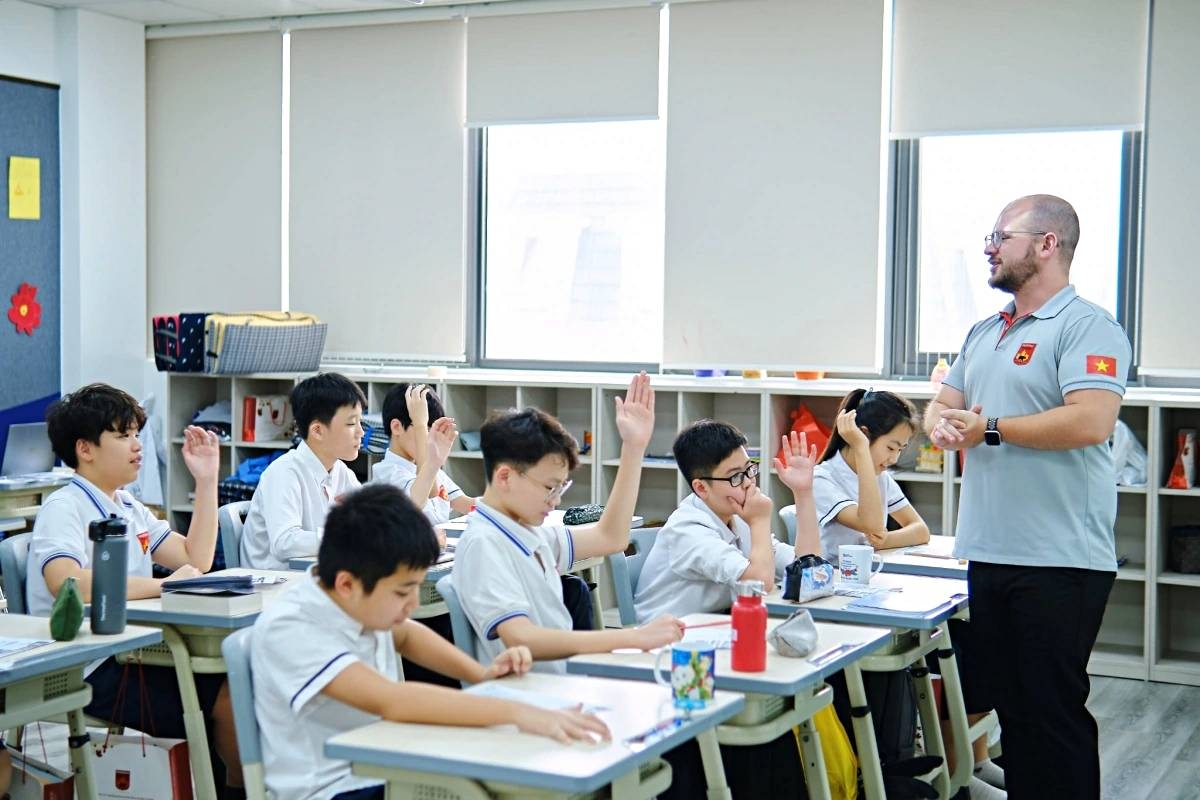
The 20-year plan will be executed in three stages. From 2025 to 2030, authorities will focus on laying foundations and standardizing English instruction to ensure consistent and systematic use across schools. From 2030 to 2035, efforts will intensify to expand English usage, making it a familiar tool for teaching, learning, and communication. Between 2035 and 2045, the goal is to achieve natural and widespread English usage while building a fully integrated ecosystem for education, communication, and school management.
The plan will require recruiting approximately 22,000 additional English teachers for preschools and primary schools, and training at least 200,000 teachers to teach in English by 2035. The Ministry of Education and Training will coordinate with central and local authorities to standardize curricula, strengthen teacher capacity, and implement the nationwide ecosystem.
Expert recommendations
Experts from the British Council emphasise that successfully establishing English as a second language in Vietnamese schools requires a phased approach, with clearly defined short-term, medium-term, and long-term strategies across all areas of implementation.
Davide Guarini Gilmartin, senior academic director at the British Council, says teacher training could begin with short-term English courses for both English teachers and instructors in other subject areas. Certification at various proficiency levels should be issued progressively to enhance the overall capacity of the teaching workforce.
The British Council also highlights the importance of complementary policies, including scholarship programmes to encourage student participation, systematic evaluation of current curricula, and targeted support for disadvantaged schools to ensure equitable access to English-language education. Integrating English instruction into subject lessons, establishing assessment frameworks, and implementing consistent monitoring mechanisms were also identified as key measures.
Victoria Clark, manager of English Assessment Solutions at the British Council, stresses that assessment methods must be adapted to reflect practical language use. She notes that students should be evaluated on listening, speaking, reading, and writing skills, with opportunities for real-world communication outside the classroom.
English must be treated as a living language, actively used in both academic and everyday contexts, she says.
Clark further emphasises that policy implementation should be flexible and evidence-based. Introducing English as a second language is not about imposing rigid rules. Policies should evolve based on accurate data, clear outcomes, and measurable indicators, allowing for adjustments and improvements over time.
National plan in the pipeline
Meanwhile, Vietnam’s Deputy Minister of Education and Training, Pham Ngoc Thuong, says the ministry is consulting experts to develop a national plan to establish English as a second language in schools for the 2025–2035 period, with a vision toward 2045.
He points out that traditional foreign language teaching in Vietnam has often focused heavily on grammar and vocabulary, with less emphasis on practical communication skills. Through the new initiative, the ministry aims to enhance students’ ability to communicate both inside and outside the classroom, fostering a broader ecosystem for language development.
According to the Deputy Minister, English is one of seven foreign languages taught in schools across Vietnam, and it is the most widely chosen and used both inside and outside the classroom. With the goal of educating students to become global citizens, establishing English as a second language in schools is a critically important task that will affect the entire country and multiple generations of Vietnamese.
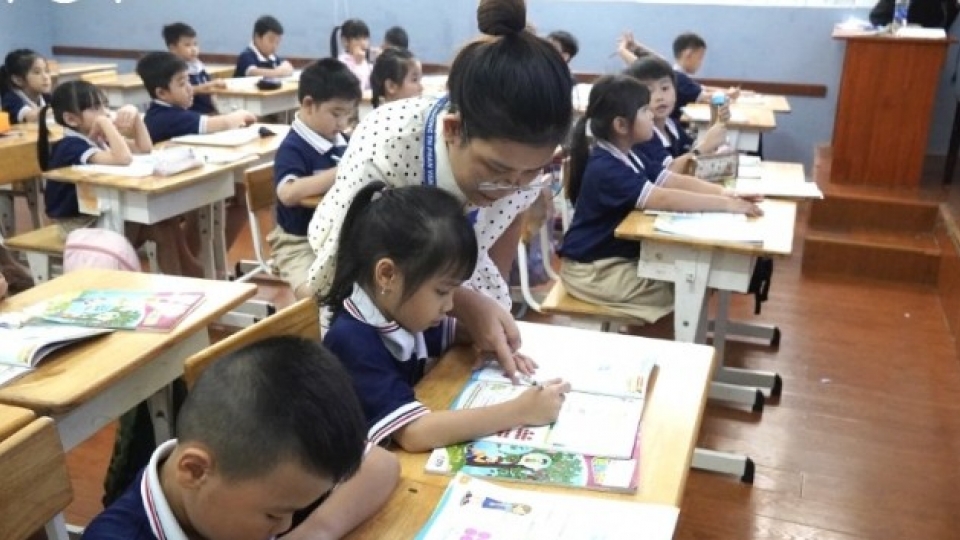
Ho Chi Minh City plans English as second language in schools by 2027
VOV.VN - Ho Chi Minh City is laying the groundwork to introduce English as a second language across schools, with a particular focus on enhancing teacher capacity, updating teaching methods, and piloting bilingual programs in high-quality and internationally integrated schools.