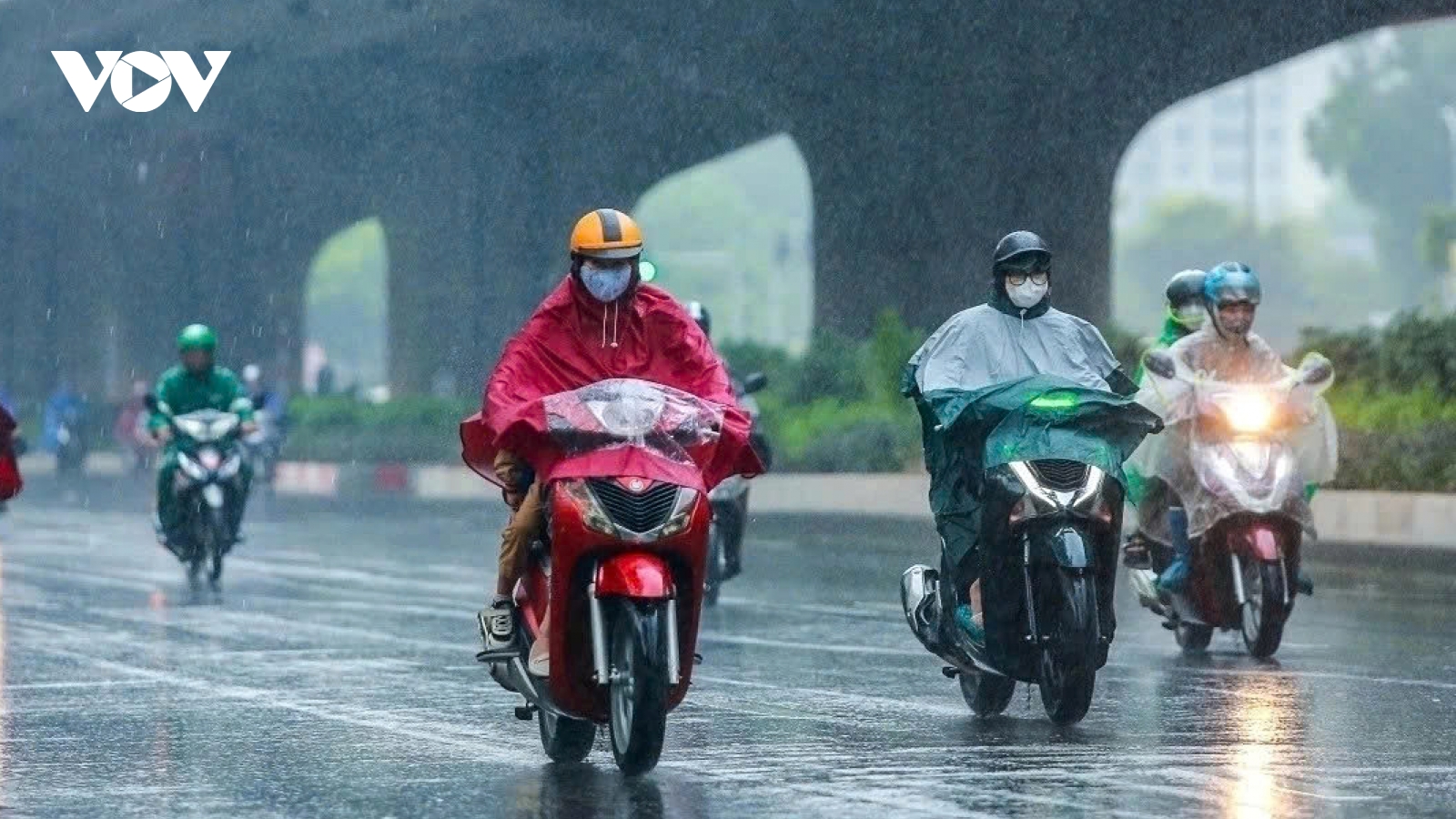
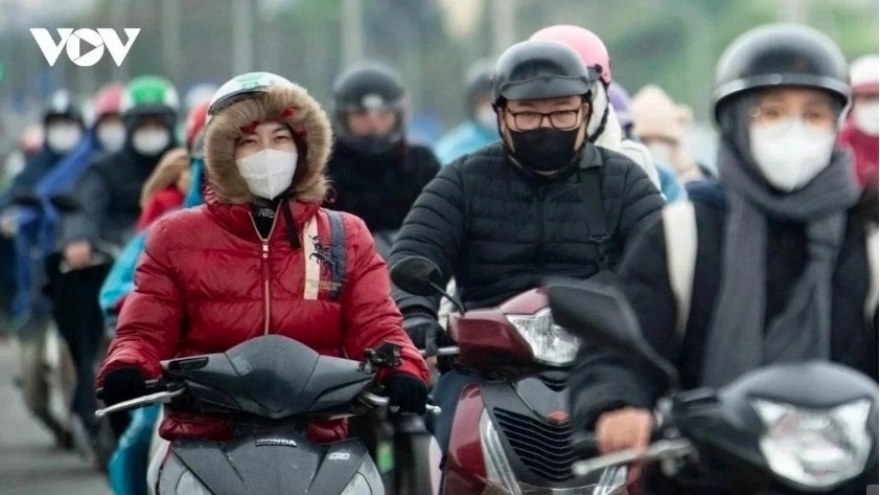
Cold air intensifies, mountain temperatures fall below 7°C

VOV.VN - A reinforced cold air mass has affected most of northern Vietnam as of January 2, bringing widespread rain and thunderstorms in parts of the Northeast and causing temperatures to drop by 3–5°C, according to the National Centre for Hydro-Meteorological Forecasting.
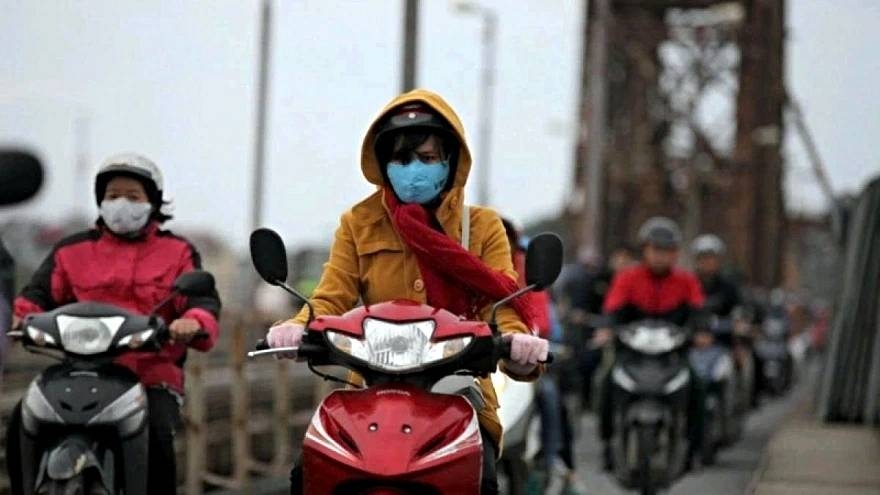
Over the next 24–48 hours, the cold air is expected to continue spreading across the Northeastern region before affecting the Northwestern, North-central and parts of South-central regions. Inland areas will experience northeasterly winds at 12-19km/h, increasing to 20-38km/h in coastal regions, with gusts up 39-51km/h.
Northern and North-central regions will turn cold, with mountainous areas experiencing severe cold, and some high-altitude locations potentially facing hazardous cold conditions.
Minimum temperatures across northern Vietnam are forecast to range from 11–14°C, dropping to 8–11°C in mountainous areas and below 7°C in high mountain regions. Frost may occur in highland areas.
The capital city of Hanoi is expected to experience rain and colder weather, with minimum temperatures ranging between 12–14°C.
Thanh Hoa and Nghe An provinces are forecast to see scattered showers and thunderstorms, with risks of lightning, hail and strong gusts.
From Ha Tinh to Da Nang, as well as eastern areas from Quang Ngai to Dak Lak, rain and thunderstorms are anticipated overnight and early morning, with localized heavy rainfall. Other regions may see isolated showers in the evening and at night, while daytime conditions remain mostly sunny.
Cold air is also spreading southward, bringing cooler mornings to Southern Vietnam. In Ho Chi Minh City, minimum temperatures during the first days of 2026 are expected to range from 20–21°C, dropping to around 19°C in northeastern suburban areas such as Hoc Mon and Cu Chi. Daytime highs will range from 30–32°C.
Meteorologists have advised residents, especially in mountainous and coastal areas, to closely monitor weather developments and take necessary precautions to protect health, property and maritime activities.
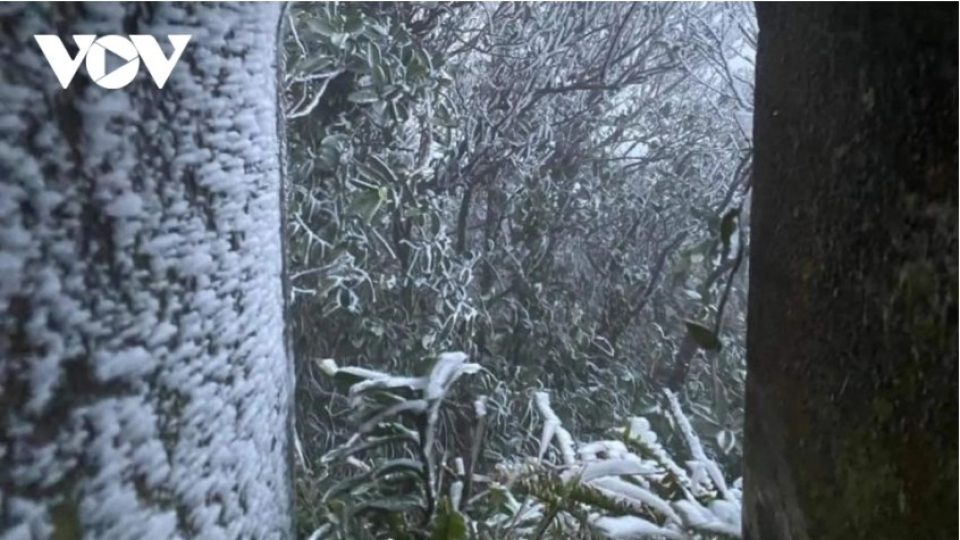
Cold surge brings rain and colder weather to northern Vietnam over New Year holiday
VOV.VN - A strong cold air mass is forecast to affect northern Vietnam and the north-central region from January 1, 2026, bringing rain, colder temperatures and locally severe cold in mountainous areas, according to the National Center for Hydro-Meteorological Forecasting.