Authorities order mass livestock vaccination after 38,000 animal deaths

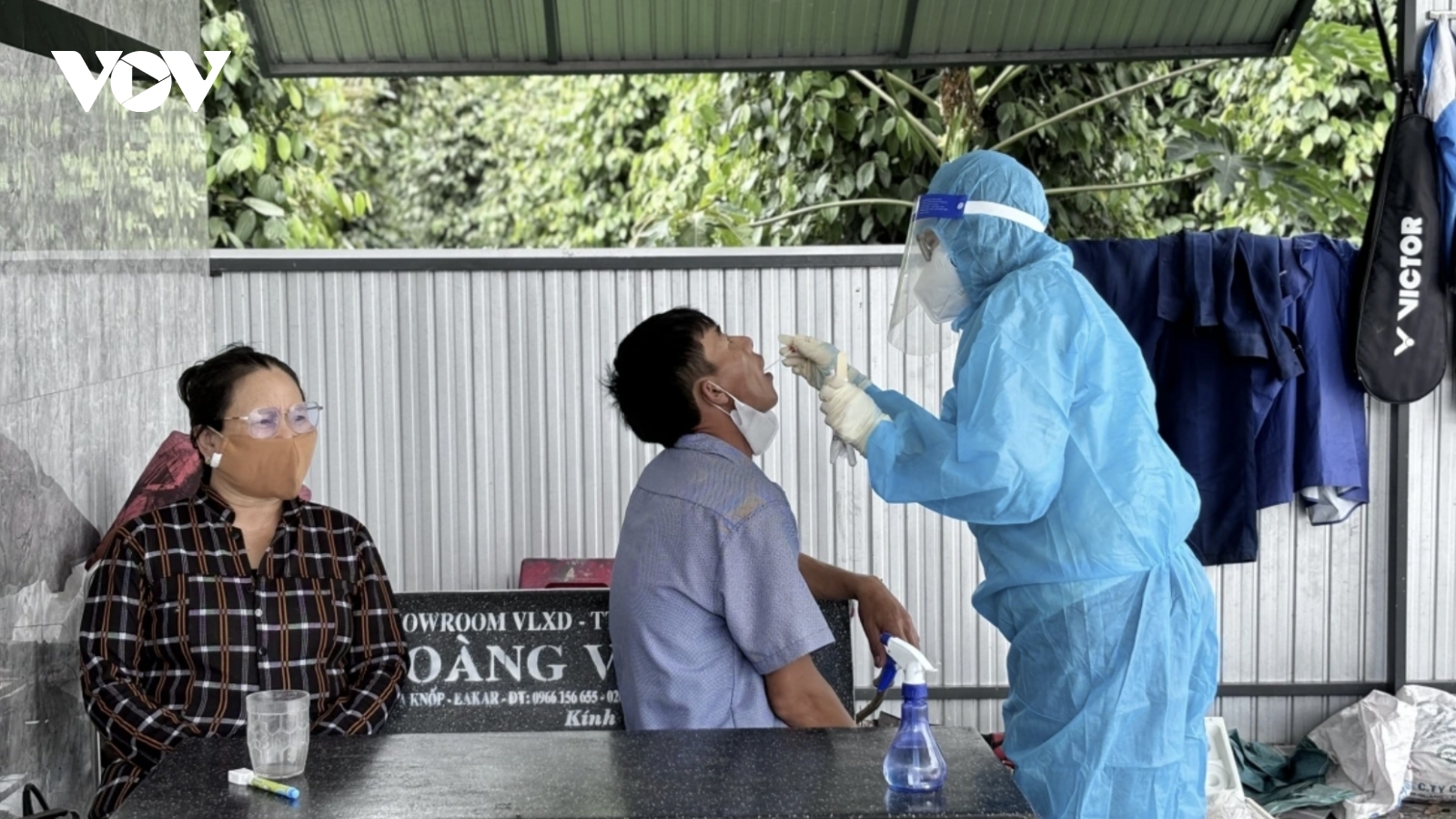
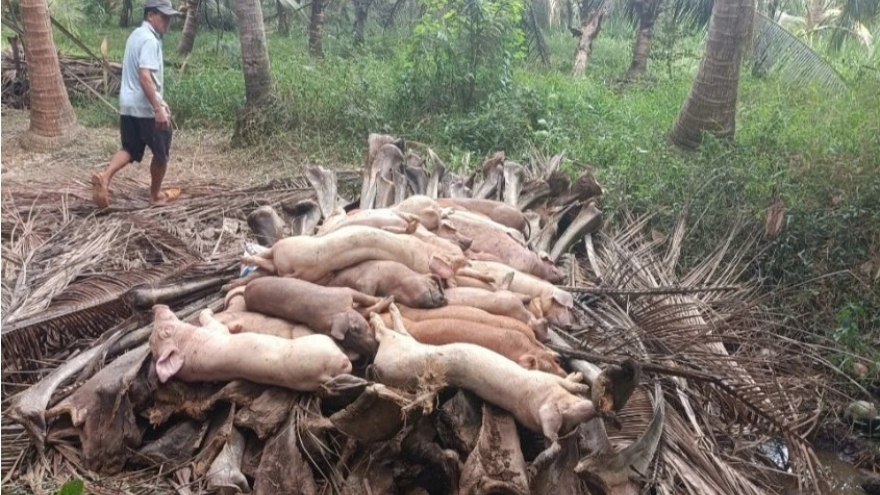
VOV.VN - Nearly 38,000 pigs and poultry have died or have been culled across Vietnam since the start of the year due to African swine fever and avian influenza outbreaks, prompting authorities to order a nationwide vaccination campaign and large-scale disinfection measures.
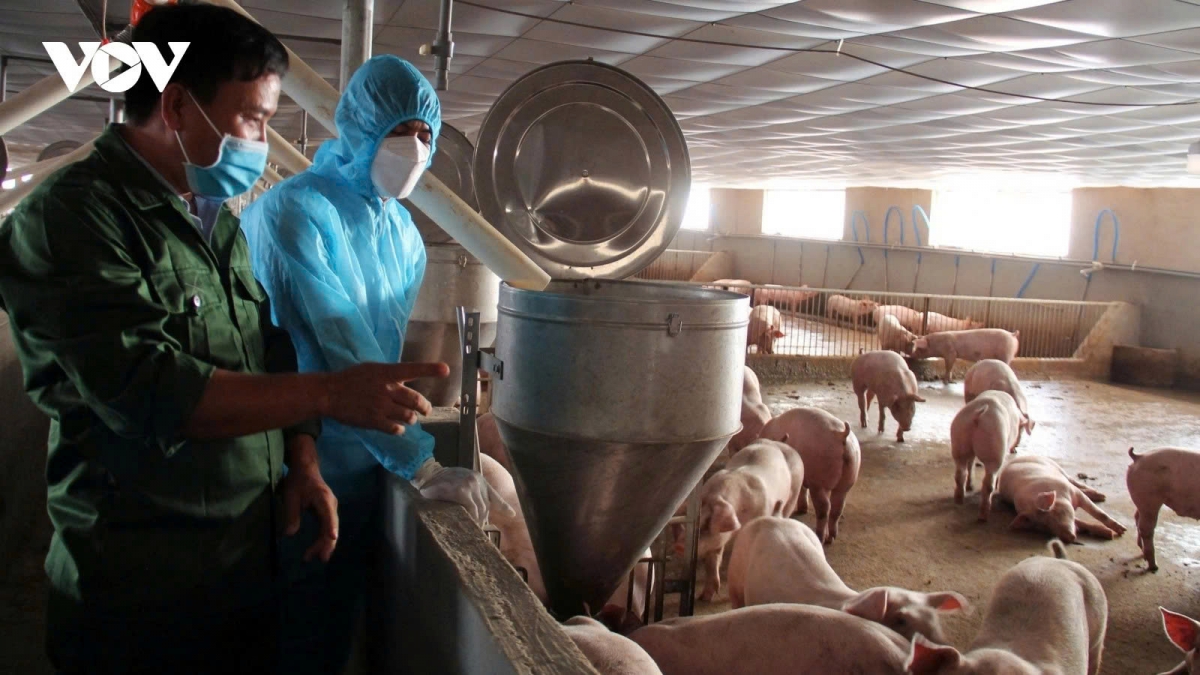
The Ministry of Agriculture and Environment (MoAE) has urged localities to urgently roll out the first nationwide sanitation and disinfection campaign of 2026 in March, alongside mass vaccination of livestock to contain the rising risk of disease transmission.
Statistics show 225 African swine fever outbreaks have been recorded in 23 provinces and cities, leading to the culling of nearly 12,900 pigs. In addition, six outbreaks of lumpy skin disease were detected in four provinces, infecting 18 cattle, eight of which died and were destroyed.
Seven outbreaks of highly pathogenic avian influenza A/H5N1 in four provinces have resulted in more than 24,600 poultry deaths and culls.
Animal rabies cases have also been reported, with 42 outbreaks recorded in 26 communes across nine provinces. The Ministry of Health reported seven human deaths linked to rabies in seven localities.
Authorities warned that the risk of further outbreaks remains high, particularly amid increased livestock trade and transport and seasonal weather conditions favourable to pathogen spread.
To proactively control animal diseases and zoonotic infections, localities have been instructed to organise coordinated sanitation drives, including cleaning and disinfecting household farms, grazing areas, live animal markets, slaughter and transport points, former outbreak sites and burial locations for infected animals.
Disinfection must be carried out after thorough mechanical cleaning to maximise effectiveness, the MoAE said.
Operators of large-scale farms, slaughterhouses and hatcheries are required to finance and conduct sanitation and disinfection of their facilities and surrounding areas under veterinary supervision.
At border crossings and informal transit routes where cross-border livestock transport often occurs, local authorities have been told to tighten sanitation measures. Animal quarantine agencies are required to coordinate with border forces to disinfect vehicles transporting animals and animal products.
Alongside environmental sanitation, localities must urgently review livestock populations eligible for vaccination in the first round of 2026, to ensure that at least 80% of livestock receive the appropriate vaccines on schedule, particularly in outbreak-hit or high-risk areas. Animals whose immunity is expiring must receive booster shots in a timely manner to maintain adequate herd immunity.
The MoAE also called for strengthened disease surveillance, both proactive and risk-based, to ensure early detection and rapid containment of outbreaks in line with veterinary law. Local veterinary systems must remain fully operational, and disease reporting must be accurate and timely.

Vietnam begins RSV vaccination for older adults amid rising respiratory risks
VOV.VN - Amid worsening air pollution and colder end-of-year weather, more than 250 vaccination centers under the VNVC Vaccination System have begun administering a new-generation RSV vaccine developed by UK-based pharmaceutical group GSK, offering timely protection for older adults and people with underlying health conditions against serious respiratory diseases.