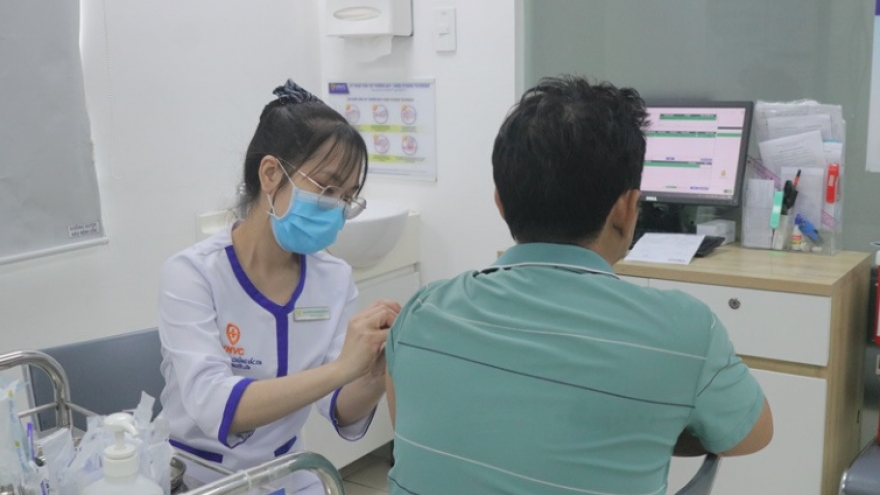
Vietnam begins RSV vaccination for older adults amid rising respiratory risks

VOV.VN - Amid worsening air pollution and colder end-of-year weather, more than 250 vaccination centers under the VNVC Vaccination System have begun administering a new-generation RSV vaccine developed by UK-based pharmaceutical group GSK, offering timely protection for older adults and people with underlying health conditions against serious respiratory diseases.

The launch comes just two months after VNVC and GSK elevated their strategic partnership at a signing ceremony in London, witnessed by Party General Secretary To Lam, marking a concrete step in stepping up bilateral healthcare cooperation.
GSK’s RSV vaccine is specifically developed for people aged 60 and above and those with chronic conditions. It uses a stabilized RSV protein antigen combined with a specialized adjuvant designed to elicit a strong immune response, enabling earlier and more accurate virus recognition and providing sustained protection, including for older adults and individuals with weakened health or comorbidities.
According to Bach Thi Chinh, Medical Director of the VNVC Vaccination System, studies show the vaccine delivers close to 95% protection among older adults with underlying diseases. The vaccine has been approved in nearly 70 countries, with more than 10 million doses administered worldwide, and is recommended by multiple medical organizations for people aged 60 and above. It follows a single-dose schedule, offering a simple and effective preventive option against RSV.
RSV is a common cause of pneumonia, bronchiolitis, respiratory failure and hospitalization, posing particularly high risks to older adults, especially those with chronic illnesses such as diabetes, chronic obstructive pulmonary disease (COPD), cardiovascular disease and kidney failure. In these groups, RSV infection can progress rapidly, trigger severe respiratory complications, exacerbate underlying conditions, increase the risk of major cardiovascular events, and lead to reinfection or co-infection with other viruses.
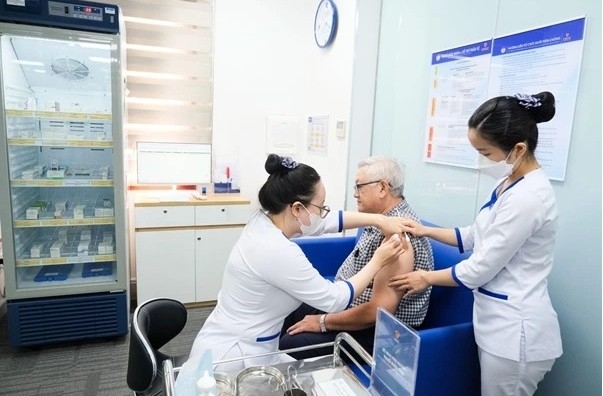
In 2019, RSV was estimated to cause more than 470,000 hospitalizations and around 33,000 in-hospital deaths among people aged 60 and above in high-income countries. In Vietnam, the virus is estimated to have caused approximately 4.6 million infections, 200,000 hospitalizations and 18,000 deaths among people over 60 over a five-year period. In response, the Vietnam Heart Association and the Vietnam Respiratory Society have incorporated RSV vaccination into management strategies for chronic conditions such as COPD and heart failure.
Phan Thi Xuan, MD, PhD, Head of the Intensive Care and Toxicology Department and Head of the Emergency Department at Tam Anh General Hospital in Ho Chi Minh City, cited a clinical case involving a 58-year-old patient admitted in August 2025 with underlying diabetes, hypertension and bilateral kidney stones. The patient tested positive for RSV and was co-infected with Covid-19 and influenza A. Initially presenting with cough and right-sided chest pain, the condition deteriorated within days, leading to a hemorrhagic stroke, hemiplegia and death despite intensive critical care.
Ngo Quy Chau, MD, PhD, Chairman of the Vietnam Respiratory Society and Deputy Medical Director of Tam Anh General Hospital in Hanoi, noted that RSV places a heavy disease burden on older adults while no specific antiviral treatment is currently available. Proactive prevention through vaccination therefore plays a particularly important role in protecting older people, especially those with chronic diseases, by reducing the risk of severe and unpredictable complications.
Hospitals within the Tam Anh healthcare system, operating within the same medical ecosystem as VNVC, are also administering the RSV vaccine. With an adjuvant tailored for older adults and patients with comorbidities, the vaccine helps lower hospitalization and severe complication risks, eases pressure on healthcare facilities, reduces medical costs, and supports better control of coexisting chronic conditions such as cardiovascular disease, COPD and diabetes.
Measles vaccination campaign reaches over 95% coverage nationwide
VOV.VN - On April 4, the Department of Preventive Medicine under the Ministry of Health reported that 53 out of 54 provinces and cities nationwide had conducted the measles vaccination campaign, vaccinating 762,320 out of 800,719 target individuals, achieving 95.2% coverage and meeting the campaign goal.