


Vietnam aims to turn international agreements into drivers of development

VOV.VN - Vietnam is refining its legal framework for international agreements to facilitate cooperation, streamline procedures and translate international commitments into tangible development gains, Permanent Deputy Prime Minister Pham Gia Tuc told National Assembly deputies on October 20.
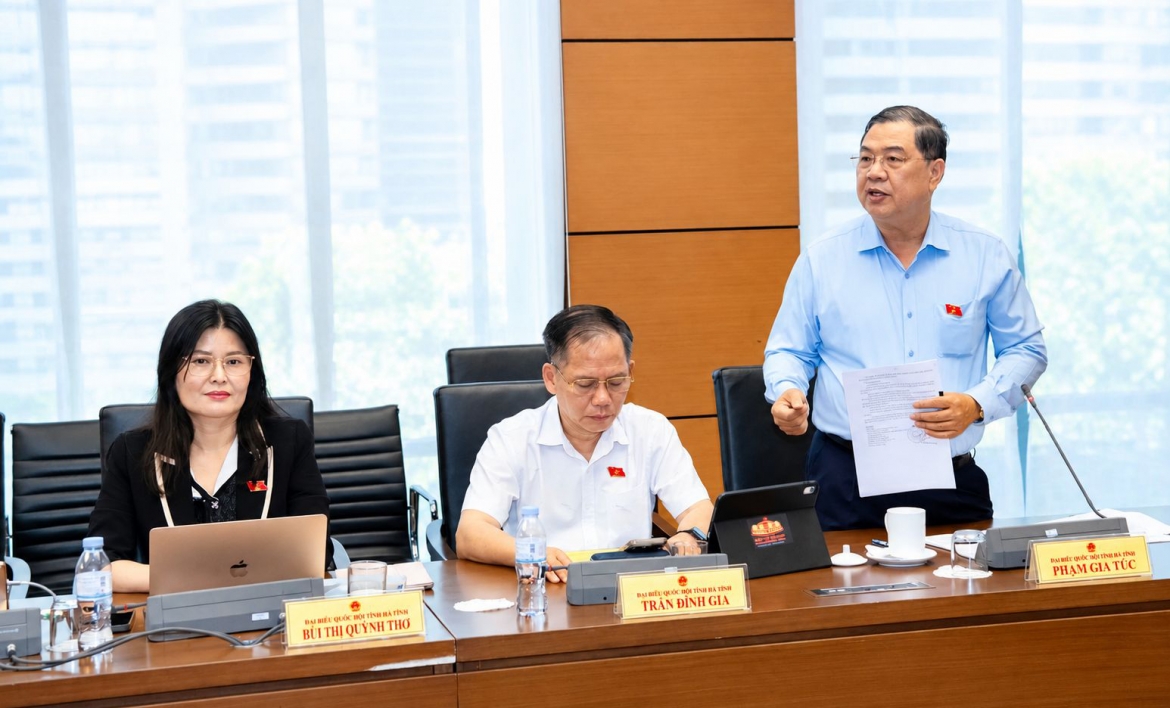
The draft revised Law on International Agreements was discussed during a group discussion at the second session of the 16th National Assembly, with lawmakers considering how to make the framework more responsive to the needs of central and local authorities while ensuring effective state management.
Tuc, who is also a National Assembly deputy for Ha Tinh province, explained that the Government’s proposed revisions focus on decentralising authority, simplifying administrative procedures and documentation, and applying science and technology to management. These changes, he added, must go hand in hand with effective oversight and consistent state management.
“Foreign affairs and diplomacy are a resource for national development,” he said, underlining the importance of making international engagement serve the country’s development priorities.
From signing commitments to delivering results
According to the Permanent Deputy PM, Vietnamese Party and State leaders give considerable attention to agreements and commitments during overseas visits. However, signing an agreement is only the first step; its value ultimately depends on how effectively it is implemented.
Ministries, sectors, local authorities and businesses therefore need to make better use of the opportunities created by these arrangements. Some agencies, localities and businesses have yet to fully capitalise on next-generation free trade agreements, pointing to the need for technological innovation and restructuring of production.
The Government will continue to promote the signing of international agreements, improve their implementation and refine the relevant legal framework, he said, adding the broader objective is to ensure that international commitments generate practical benefits rather than remain formal undertakings.
Decentralisation to expand local opportunities
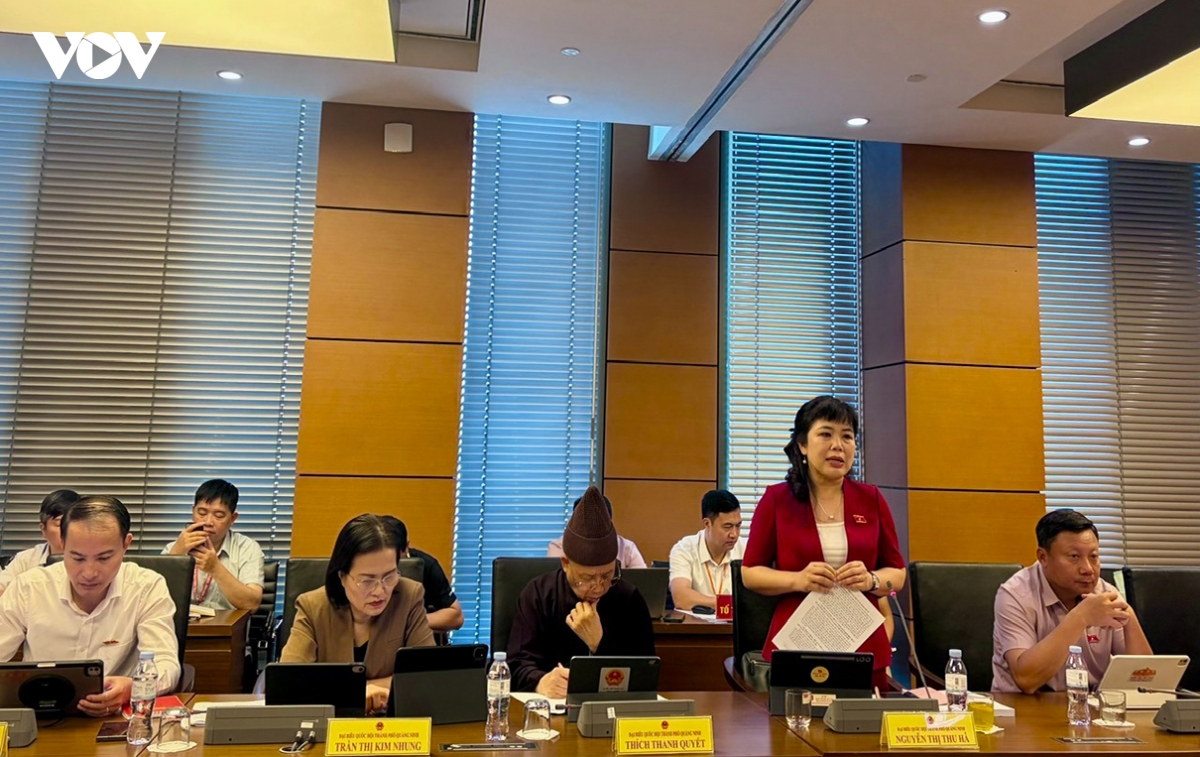
During the discussion, National Assembly deputy Nguyen Thi Thu Ha, representing Quang Ninh province, raised concerns about procedures requiring commune-level People’s Committees to obtain opinions or approval from provincial authorities before proceeding with international agreements.
Such requirements could increase administrative costs and delay cooperation, she argued. Provincial foreign affairs agencies and advisory bodies may also lack the capacity to review requests promptly in every case.
Ha called for further scrutiny of the proposed provisions and clearer Government guidance, particularly for communes and wards in central urban areas that may engage actively in international cooperation. If their authority is too restricted, these localities could miss valuable opportunities for economic cooperation and development.
The challenge, therefore, is to give local authorities sufficient room to respond to practical needs while maintaining appropriate oversight and consistency in the management of international agreements. A clearer division of responsibilities, combined with simpler procedures, could help Vietnam make more effective use of its international partnerships.
According to the draft law, 48 of its 52 articles have been amended, equivalent to 92.3% of the 2020 Law. The revisions aim to institutionalise the Party’s policy on international integration and ensure unified management of external affairs, in line with the Resolution of the 13th National Party Congress and other related documents.
The draft law is among 43 draft laws and resolutions scheduled for discussion and adoption at the National Assembly’s year-end session.
National Assembly chief stresses macroeconomic stability as Vietnam plans for 2027
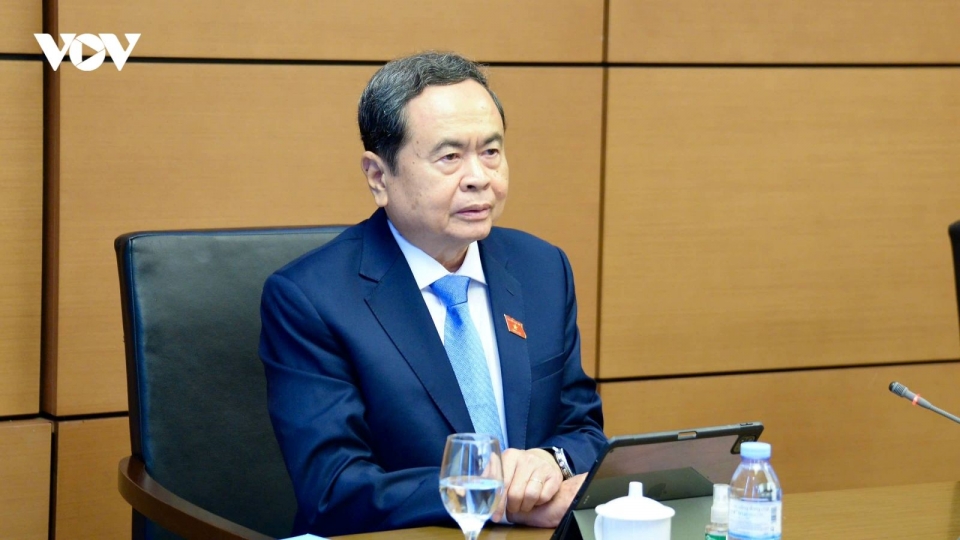
VOV.VN - National Assembly President Tran Thanh Man has identified macroeconomic stability as Vietnam’s foremost priority for the remaining months of 2026 and the year ahead, while urging more effective resource allocation, stronger growth drivers and tangible improvements in people’s living standards.


