


Vietnam addresses business concerns over technology transfer rules

VOV.VN - Vietnam will maintain restrictions on the transfer of outdated technologies while clarifying how existing contracts and production facilities are treated under new regulations, aiming to address business concerns without undermining environmental and technological development goals.

Deputy Prime Minister Ho Quoc Dung made the statement at a meeting with relevant ministries and agencies in Hanoi on November 3 to review difficulties in implementing the Government’s Decree No. 101, which provides detailed regulations and measures for implementing the Law on Technology Transfer. The decree took effect on April 1, 2026.
Since late April, the Ministry of Science and Technology has received proposals from domestic and foreign business associations and enterprises, focusing on three main issues.
The first is to remove technologies used in the manufacture and assembly of cars, motorcycles and their respective engines from the lists of technologies subject to restrictions or bans on transfer.
The second is to exempt technology transfers for the production of vehicles and engines intended exclusively for export, with no sales in the Vietnamese market, from these restrictions and bans.
The third concerns guidance on extending or amending technology transfer contracts signed before April 1, 2026, including provisions for adding new product models.
The ministry has actively addressed these proposals within its authority and in accordance with the law. Most of the concerns have now been addressed, with one request still under consideration. Businesses are seeking permission to acquire technologies on the prohibited list for new investments or expansion projects launched after April 1, 2026, to manufacture motorcycles meeting Euro 2 or Euro 3 emission standards, and cars meeting Euro 4 standards or lower, for export.
Businesses argue that applying the current regulations could affect their ability to fulfil orders in markets that still accept these vehicle models.
Maintaining restrictions on outdated technologies
Deputy Minister of Science and Technology Hoang Minh said the ministry has reviewed the proposals and recommended retaining the technology lists set out in Decree No. 101.
He explained that granting exceptions to allow further investment in outdated technologies, despite their inclusion on the prohibited list, could encourage businesses to extend the lifespan of old production lines and delay technological upgrading.
Such a move could also weaken the competitiveness of domestic enterprises by allowing them to continue producing goods using low-level technologies. It would make regulatory oversight more difficult, particularly if products intended for export could not be sold in their target markets and potentially entered domestic supply chains.
He also pointed to Vietnam's international commitments on emissions reduction and the transition towards net-zero emissions.
After hearing the ministry's report and opinions from representatives of other ministries and agencies, Deputy Prime Minister Ho Quoc Dung said Decree No. 101 combines policies to encourage and promote technology transfer with state management measures through lists of technologies subject to restrictions or bans on transfer.
These lists are consistent with the Party's policies and orientations on promoting the transfer, application and mastery of advanced, modern, high and strategic technologies, particularly those that are environmentally friendly, energy-efficient and make effective use of resources. They are also intended to prevent the import and use of obsolete technologies that cause environmental pollution and deliver low efficiency.
The Deputy Prime Minister agreed with the Ministry of Science and Technology and other agencies that technology transfer involving technologies on the restricted or prohibited lists carried out from April 1, 2026 must comply with its provisions.
Protecting existing contracts and production activities
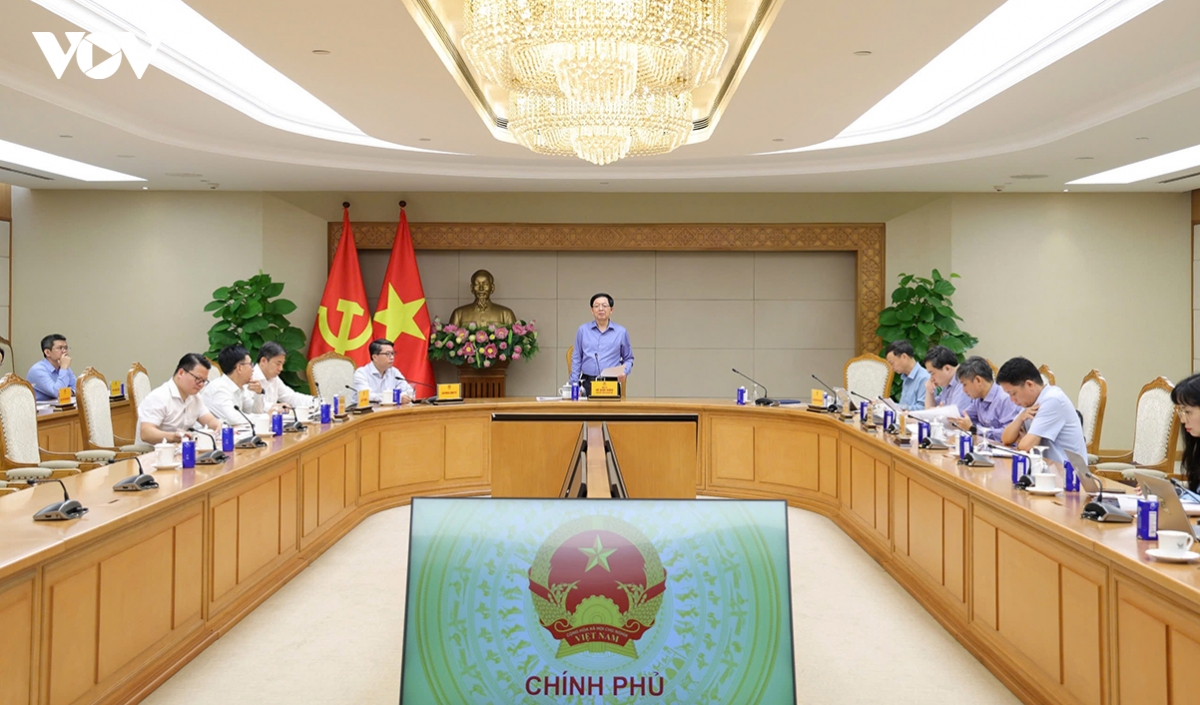
For activities undertaken before April 1, 2026, the Deputy Prime Minister called for measures to protect enterprises’ legitimate interests and ensure continuity in production and business operations.
Under the agreed approach, enterprises may continue implementing technology transfer contracts signed before that date. Production lines and factories already using technologies that are now restricted or prohibited may also continue operating with their existing technologies. In addition, businesses are allowed to develop new products based on the technologies they already possess.
The Deputy Prime Minister assigned the Ministry of Science and Technology to continue monitoring implementation of the decree and work with relevant ministries and agencies to receive and address feedback and proposals from business associations, organisations and enterprises.
Responses to petitions must be clear and ensure consistent enforcement, with difficulties and obstacles resolved thoroughly in accordance with the law, international practices and Vietnam’s commitments.
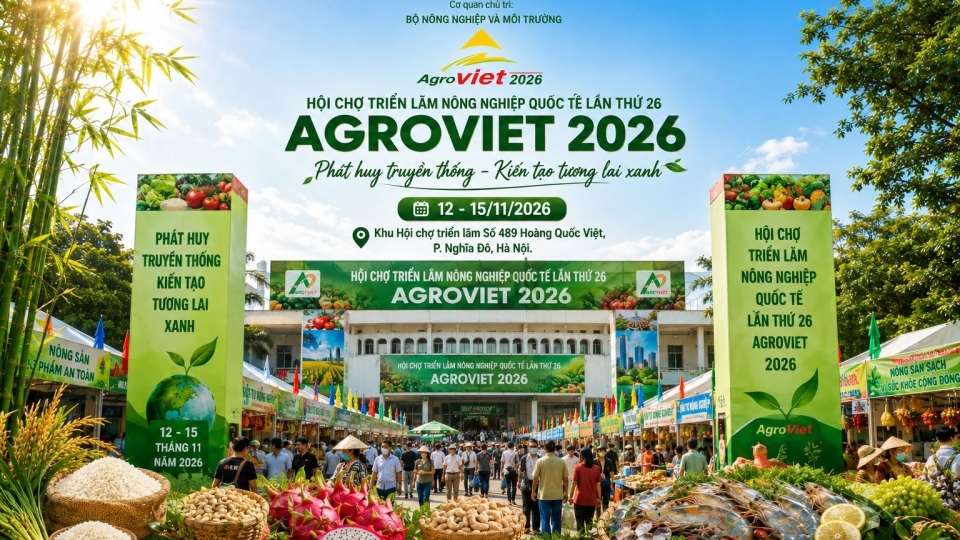
AgroViet 2026 to showcase global agricultural technologies in Hanoi
VOV.VN - Businesses from China, Japan, the Republic of Korea, Australia and other countries will showcase agricultural machinery, equipment and technologies at the International Agricultural Trade Fair (AgroViet 2026), scheduled to take place in Hanoi from November 12 to 15.


