PM pushes sustainable restructuring of housing policy

VOV.VN - Vietnam’s housing policy needs to shift toward a more sustainable restructuring of living arrangements, with greater emphasis on social housing for rent and long-term affordability rather than sheer volume, Prime Minister Pham Minh Chinh said on January 13.

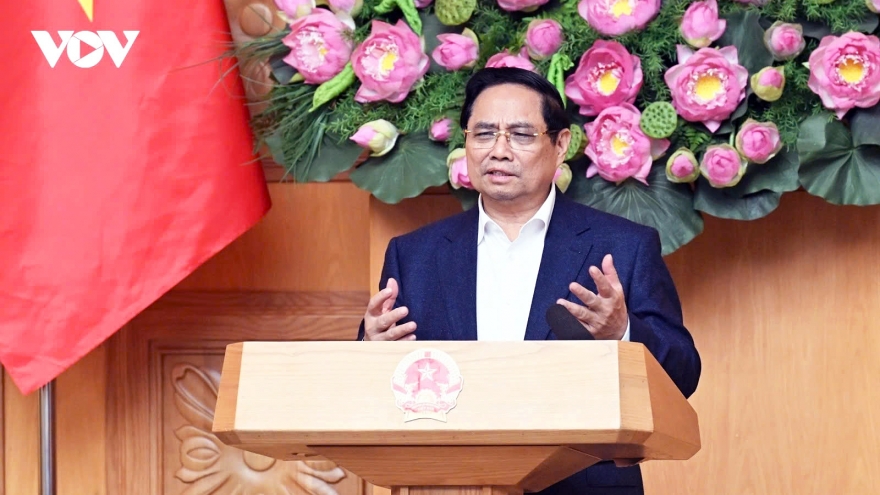
Addressing the fifth meeting of the Central Steering Committee on Housing Policy and the Real Estate Market, the Prime Minister stressed that access to adequate housing is a basic right of citizens and a key pillar of the country’s social welfare system. He said housing development also plays an important role in supporting economic growth, labour market stability and long-term socio-economic development.
According to the leader, housing demand in Vietnam is increasingly moving away from ownership toward rental and rent-to-own models, reflecting income levels, employment patterns and labour mobility. As a result, social housing policy must be adjusted to ensure all citizens have access to safe and suitable accommodation, while reducing a development approach focused primarily on numerical targets.
The PM said social rental housing should be treated as a long-term, fundamental task rather than a short-term or fragmented initiative, noting that policy design must prioritise sustainability and real demand.
He described the meeting as critical for aligning policy thinking and implementation approaches in the next phase of housing development, calling on ministries and local authorities to assess progress made since previous meetings, particularly in housing supply, real estate market conditions and credit flows to the sector.
The PM also urged participants to propose social rental housing targets for 2026 and subsequent years, especially in major urban centres, industrial zones and areas with high concentrations of workers.
On implementation, the Government leader called for clearer assignment of responsibilities and authority, accelerated administrative reform and the removal of unnecessary procedural bottlenecks. He said social housing projects, particularly rental housing, should be prioritised through fast-track approval mechanisms, and outstanding contributions by organisations and individuals in policy reform and implementation should be recognised in a timely manner.
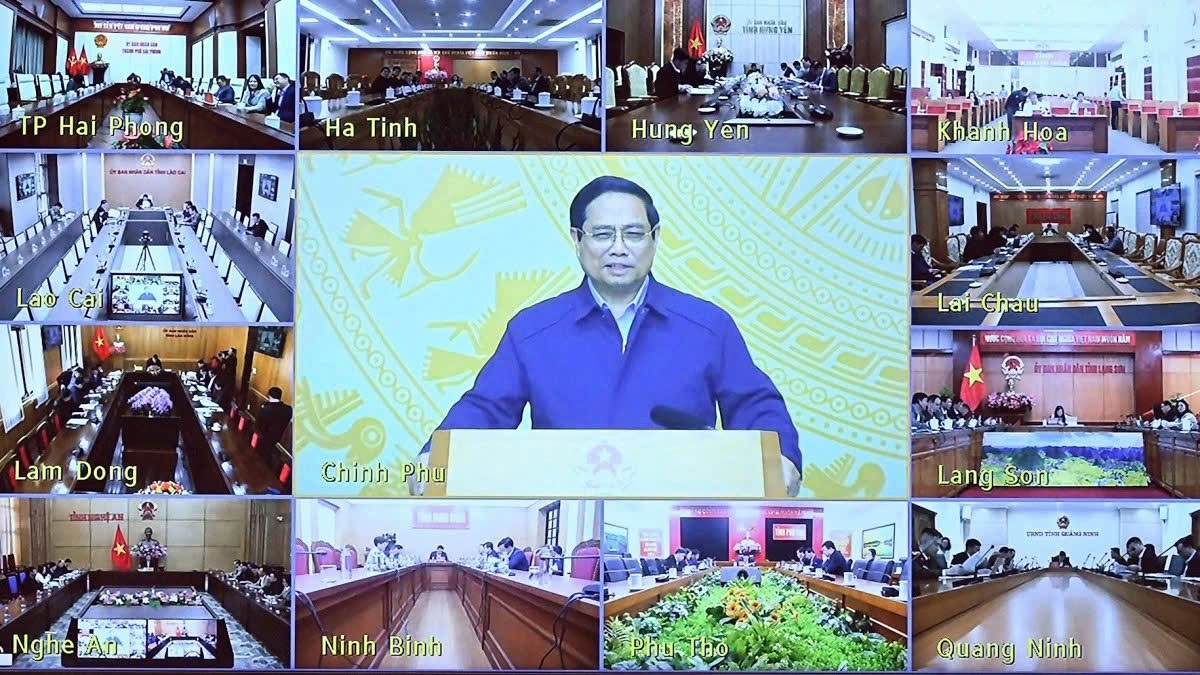
The meeting, held at the Government Office in Hanoi and connected online with all 34 provinces and centrally governed cities, reviewed progress made in recent years, particularly in 2025, when Vietnam intensified efforts to expand social housing.
According to government data, more than 102,000 social housing units were completed nationwide in 2025, as Vietnam works toward its target of delivering one million social housing units by 2028. The government has also completed programmes to eliminate temporary and dilapidated housing and provide homes for people with meritorious service to the country ahead of schedule.
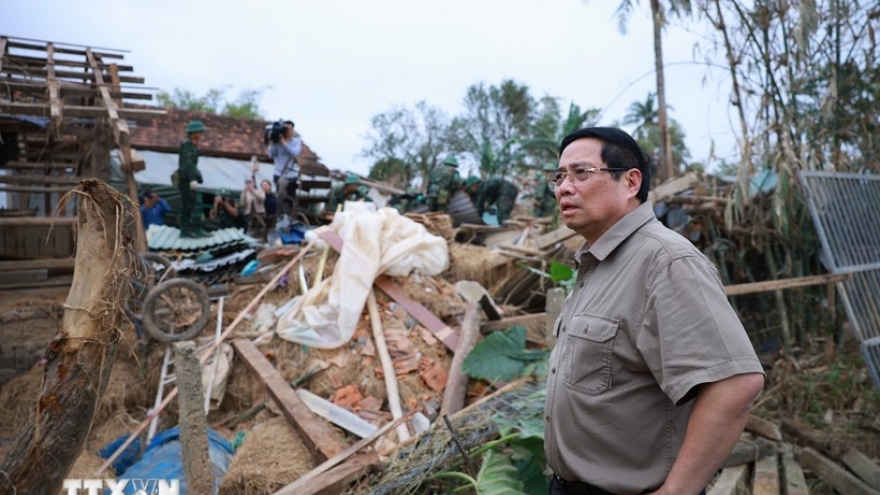
In addition, authorities have accelerated emergency housing repair and reconstruction for people affected by recent natural disasters, with completion expected by mid-January.
The Ministry of Construction, the standing body of the steering committee, reported that Vietnam continued to refine housing and real estate policies in 2025. The government submitted a resolution to the National Assembly and issued four decrees on special mechanisms for social housing development and real estate market management.
Further measures include new regulations on eligibility and preferential loans for social housing, housing for armed forces personnel and worker accommodation in industrial parks. Ministries and localities are also reviewing plans to establish a National Housing Fund, set up a state-run real estate and land-use rights exchange, and amend existing regulations to remove legal obstacles to social housing development.

Housing upgrade programme reaffirms commitment to Leaving No One Behind
VOV.VN - After more than a year of implementation, Vietnam has largely completed its nationwide programme to eliminate temporary and dilapidated housing, finishing five years and four months ahead of schedule.