Housing upgrade programme reaffirms commitment to Leaving No One Behind

VOV.VN - After more than a year of implementation, Vietnam has largely completed its nationwide programme to eliminate temporary and dilapidated housing, finishing five years and four months ahead of schedule.
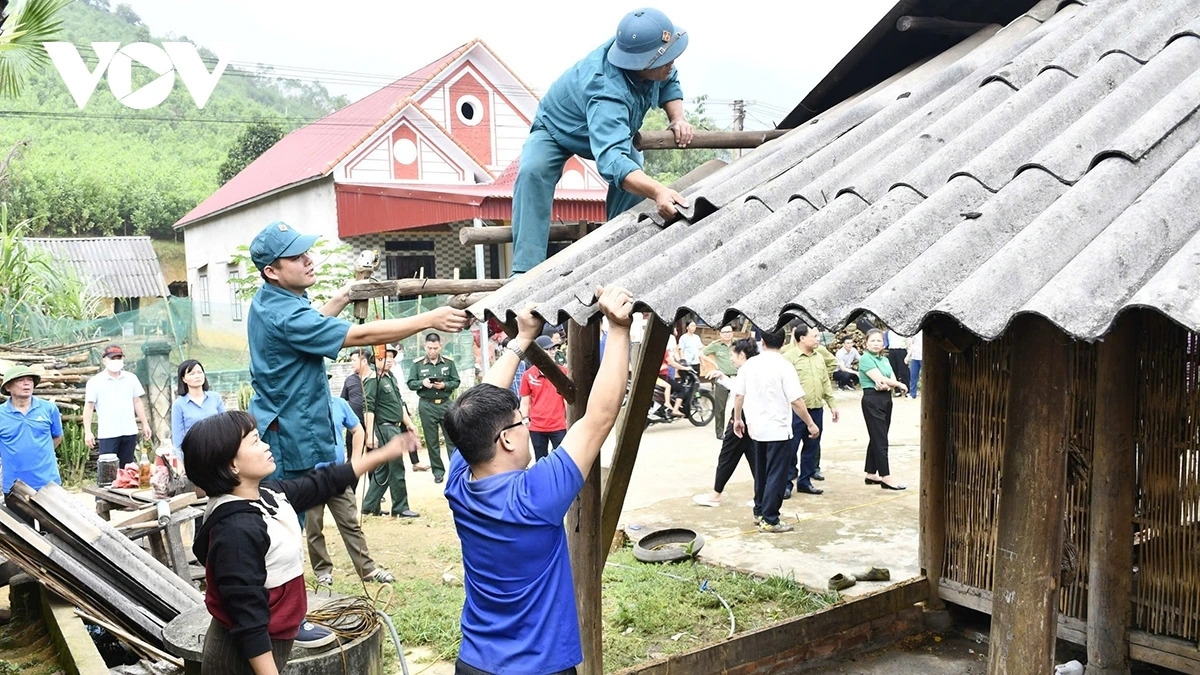
The Politburo’s Resolution No. 42 dated November 24, 2023 set a target of completely eliminating temporary and dilapidated housing by 2030 for poor and near-poor households, disaster- and climate-affected communities, and people with meritorious service to the revolution.
With the concerted engagement of the entire political system, the support of the business community and the active participation of local residents, the programme was implemented decisively over the course of 450 days and nights under the principle of focusing on action rather than retreat. As a result, Vietnam has successfully realised the goal of ensuring “safe and secure homes for all citizens” well ahead of plan.
To date, 334,234 temporary and substandard houses nationwide have been removed and replaced with solid, safe homes for poor and near-poor households as well as families under preferential social policies. The programme has significantly improved living conditions, helping residents stabilise their lives, focus on livelihoods and engage more confidently in production and economic activities.
Driven by political resolve and a strong sense of social responsibility, localities across the country rolled out the programme in a highly coordinated and accelerated manner. The active involvement of mass organisations and local communities generated collective strength, ensuring that vulnerable groups facing housing difficulties were able to achieve stable living conditions.
Numerous effective and innovative local models have been introduced, helping spread a spirit of unity and mutual support throughout society. Beyond meeting immediate housing needs, the programme has also created momentum for disadvantaged households to escape poverty in a sustainable manner, contributing to the development of a humane and inclusive social support network.
The complete of the programme reflects strong political determination and highlights the profound humanitarian values embedded in the country’s housing social security policy.
A humane housing policy
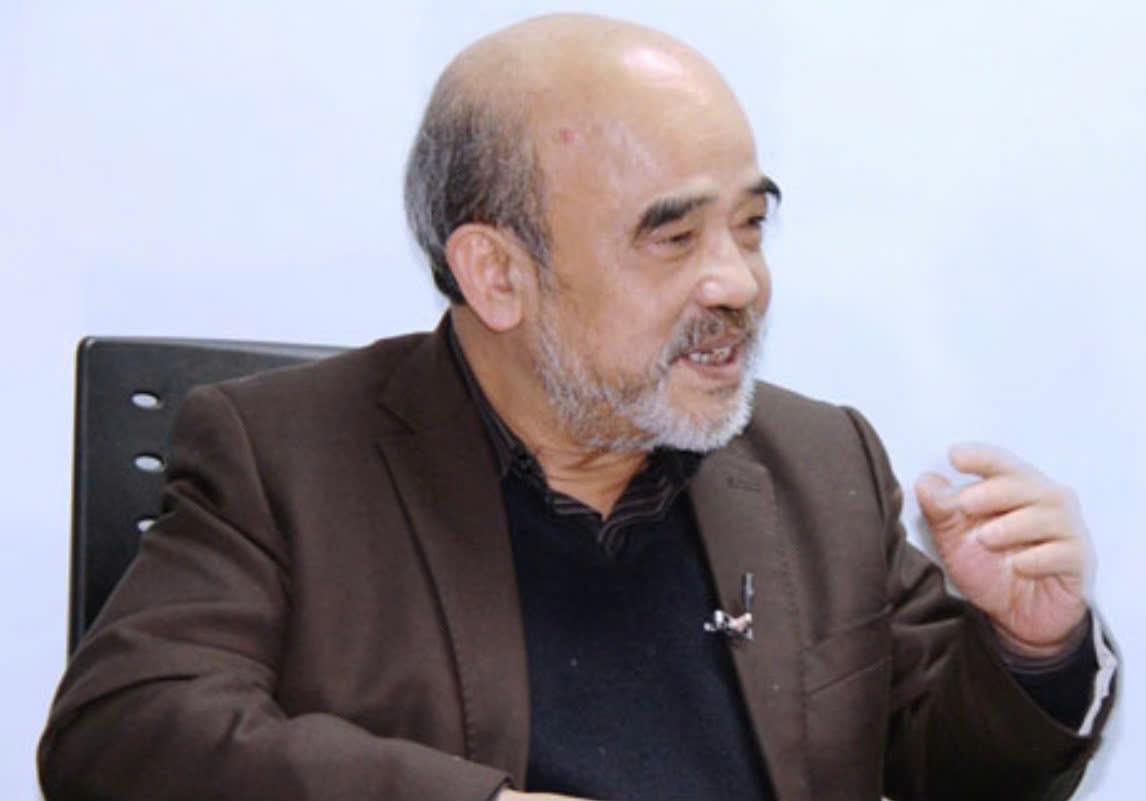
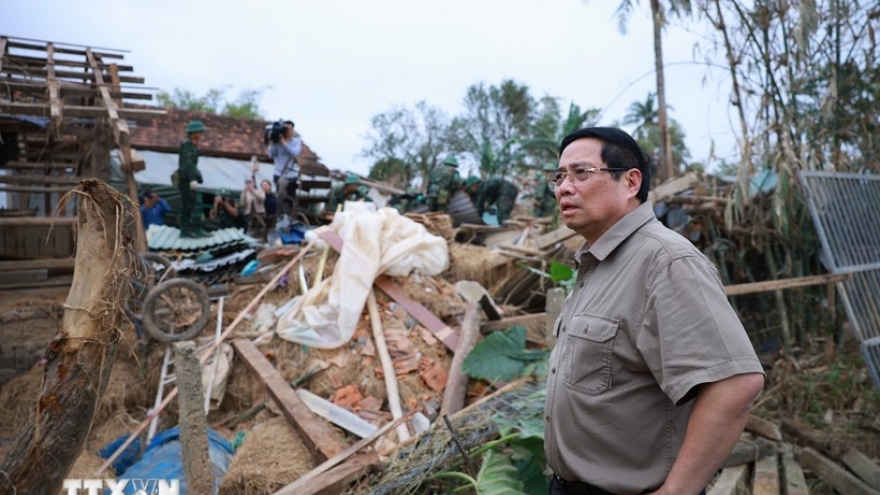
Professor Dang Hung Vo, former Deputy Minister of Natural Resources and Environment, emphasises that the programme to eliminate temporary and dilapidated housing is not merely a housing solution, but a comprehensive social welfare policy with strong humanitarian significance. According to him, ensuring that residents have access to minimum yet durable housing has helped millions of households escape unsafe living conditions in fragile structures that are highly vulnerable to storms, floods and other natural disasters.
Notably, Prof. Vo highlights the fact that Vietnam has not developed slums on a large scale - an uncommon phenomenon for a middle-income country. Many international experts have expressed interest in this reality. He attributes it to the consistent implementation of housing social security policies aimed at ensuring that no one is left to live in precarious conditions. In this framework, grassroots-level authorities play a critical role in promptly identifying needs and providing housing support, thereby demonstrating the inclusive and humane nature of Vietnam’s housing policies.
Despite relatively modest per capita income levels, Vietnam has achieved better outcomes in housing social security than many other countries. However, Prof. Vo also cautions against the risk of poverty relapse once housing support programmes conclude. He stresses that local authorities, particularly at the commune level, must continue to monitor semi-permanent housing areas that may deteriorate over time and take timely action to prevent a return to unsafe living conditions.
“In cases where local resources are insufficient, commune-level authorities should proactively report to provincial administrations to seek appropriate support solutions. The achievements in housing social security, especially in rural, mountainous and coastal areas, are the result of many years of sustained effort. Maintaining and building upon these results is therefore essential, so that the ‘light’ of housing social security is not dimmed by a lack of ongoing attention,” he notes.
A springboard for sustainable poverty reduction
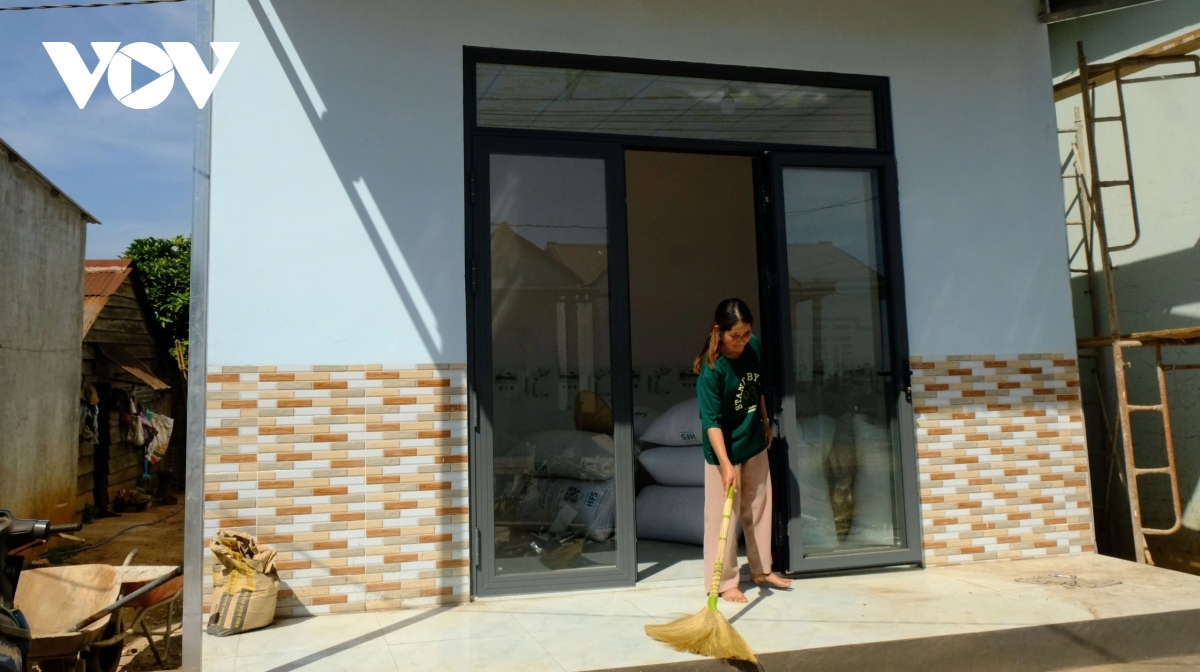
Dr. Bui Sy Loi, former Vice Chairman of the National Assembly’s Committee for Social Affairs, describes Vietnam’s near-complete fulfilment of the target to eliminate temporary and dilapidated housing as a particularly significant achievement with far-reaching social impact. According to him, the programme reflects the strong political determination of the Party and the State, as well as the consistent and decisive direction of the Government.
Beyond improving living conditions, the programme has strengthened public trust in the Party, the State and the political system, especially as many families are now able to welcome the Lunar New Year in solid, safe and warm homes.
Dr. Loi notes that the programme represents a people-centred policy aligned with public aspirations and clearly demonstrates the humanitarian nature of Vietnam’s socialist-oriented development model. Its success stems from the convergence of strong political will and broad social consensus, from political and social organisations to individual households. While the State plays a guiding role by providing mechanisms and resources, beneficiaries themselves actively contribute, mobilising support from relatives and communities to complete their homes. This collective effort significantly accelerates implementation and enhances effectiveness.
He stresses that housing is a prerequisite for people to stabilise their lives, participate confidently in labour and contribute to socio-economic development. Once housing security is ensured, sustainable poverty reduction becomes far more attainable. Housing thus serves as a crucial foundation within poverty alleviation programmes.
Drawing on international experience, Dr. Loi points out that many countries prioritise housing within their social welfare policies through diverse models such as social housing for sale, rental housing and rent-to-own schemes. Vietnam is moving in this direction and should continue refining these policies. At the same time, housing development must be closely linked to disaster prevention and climate change adaptation, particularly in areas prone to landslides and flooding, through proactive planning and early resettlement.
“When people have stable housing, they can devote their resources and efforts to improving livelihoods and increasing income. Housing therefore becomes a vital bridge in poverty reduction strategies. Once this foundation is secured, the State can focus on further support through livelihoods, credit access, vocational training and market linkage, helping people gradually escape poverty in a sustainable manner,” states Dr. Loi.
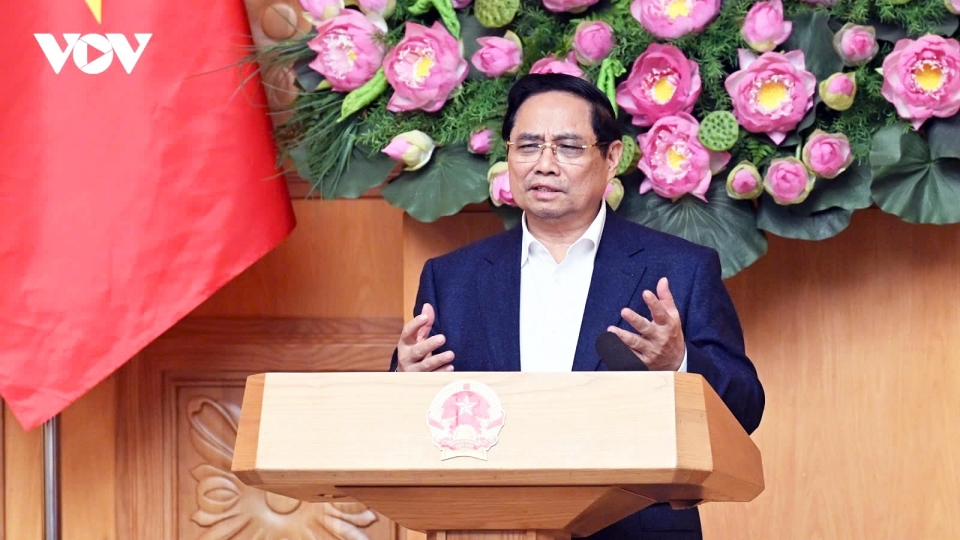
PM pushes inclusive housing policy to benefit all residents
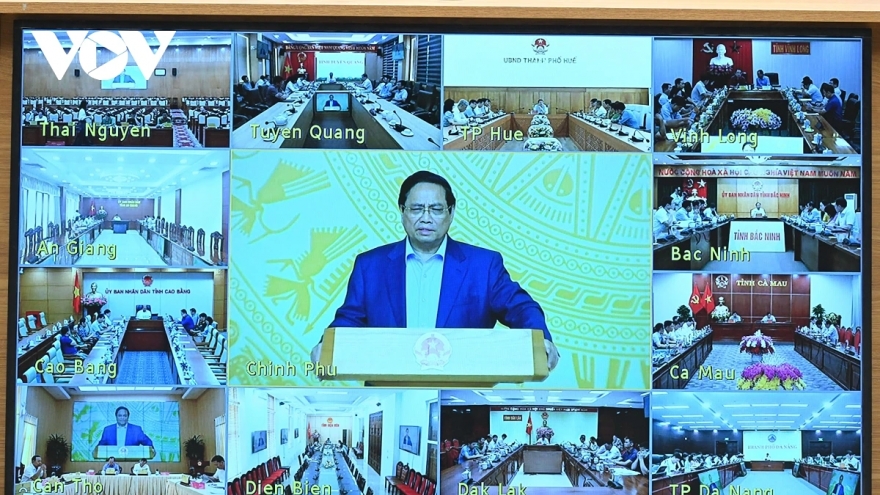
VOV.VN - Prime Minister Pham Minh Chinh on December 17 requested relevant ministries and localities to accelerate housing policies to ensure affordable access for all residents, saying no one should be left behind in exercising the right to housing.