PM orders stronger energy security, no power or fuel shortages

VOV.VN - Prime Minister Pham Minh Chinh has ordered stronger measures to ensure national energy security, stressing that Vietnam must guarantee sufficient supplies of oil, gas and electricity for both immediate and long-term needs.
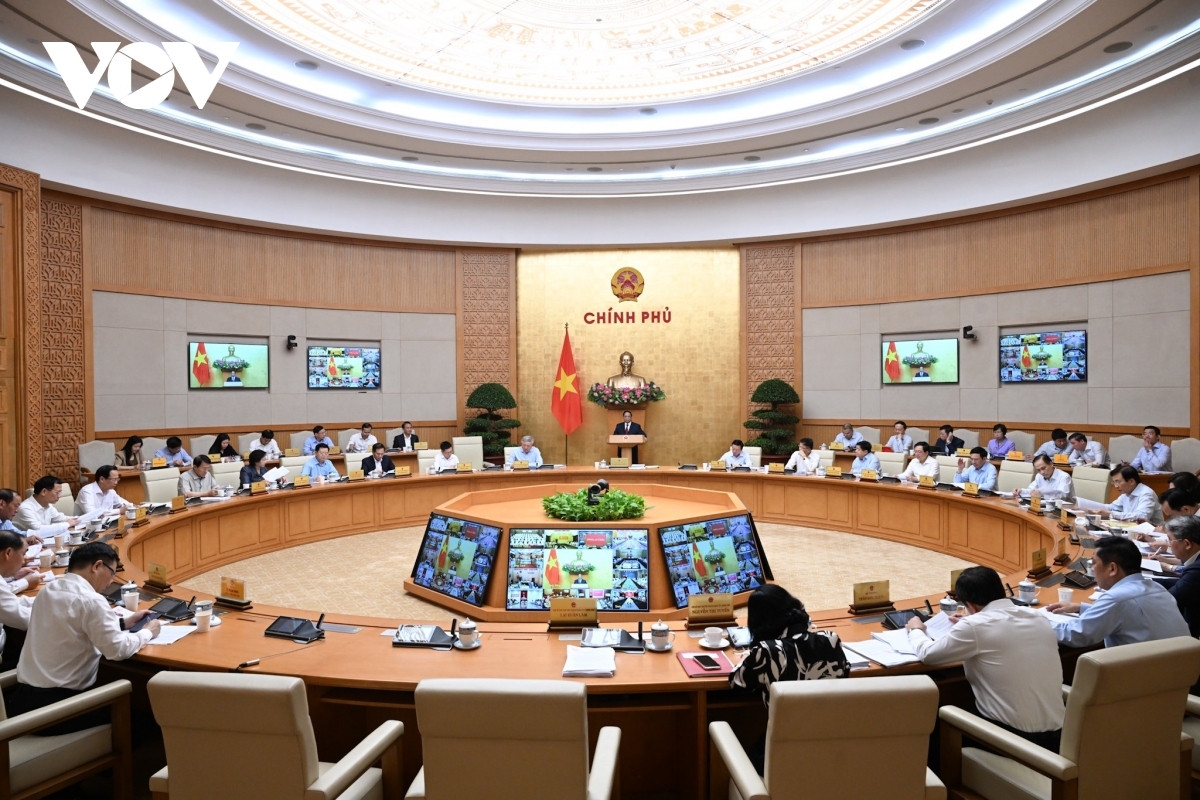
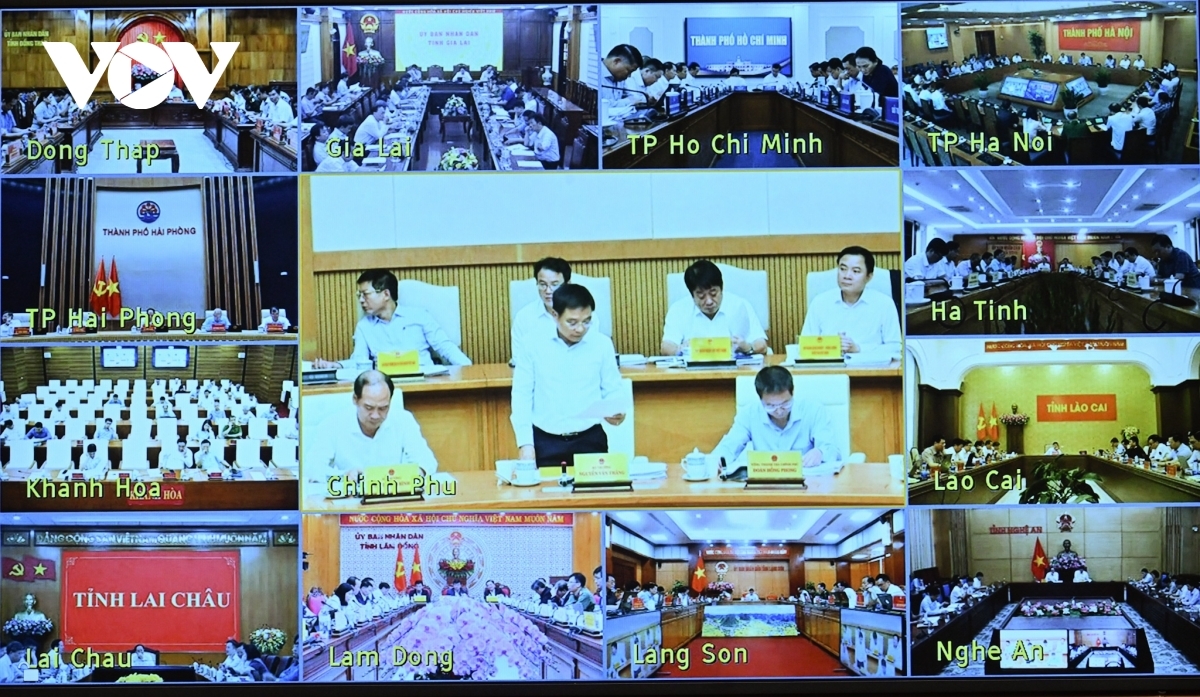
Chairing a monthly Government meeting with local authorities in Hanoi on April 4, the PM underscored that energy security is critical to maintaining macroeconomic stability amid volatile global markets.
He directed the Ministry of Industry and Trade to ensure adequate electricity and fuel supply for production, business activities and daily life, with a firm requirement that no shortages be allowed.
Reaffirming the Government’s growth ambition, PM Chinh called for maintaining the target of double-digit economic expansion, alongside macroeconomic stability, inflation control and balanced economic fundamentals.
He also urged ministries and agencies to accelerate public investment disbursement, aiming for a 100% rate, while expediting key infrastructure projects, particularly international railway connections.
The Government leader highlighted the need to enhance strategic forecasting capacity, strengthen economic resilience and improve policy coordination between monetary and fiscal measures. He also stressed tighter market supervision and stricter enforcement of pricing regulations.
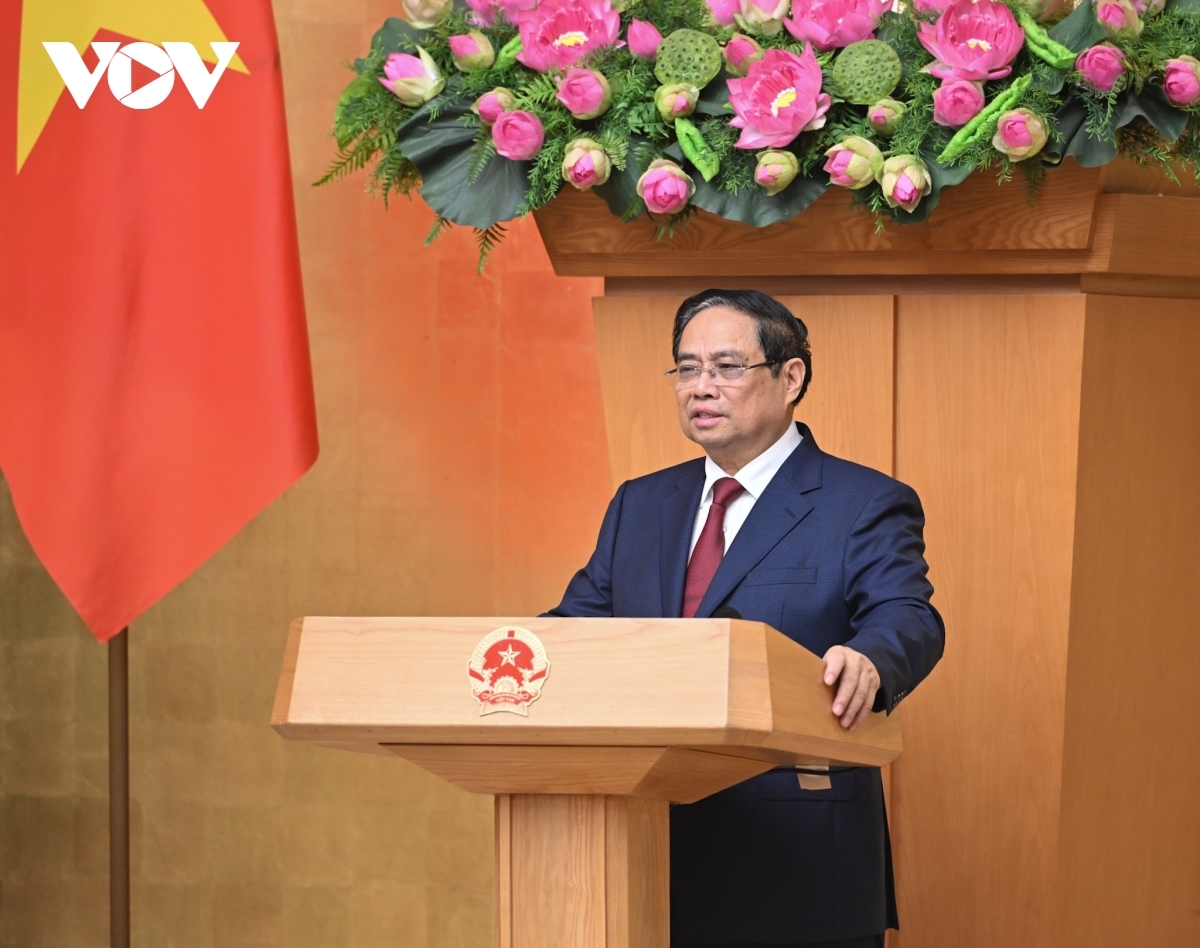
The PM also asked the Ministry of Industry and Trade to ensure energy supply balance; the Ministry of Finance to accelerate public investment disbursement; the Ministry of Construction to promote a safe and sustainable real estate market; and the Ministry of Science and Technology to advance innovation, digital transformation and administrative reform.
Earlier at the meeting, Minister of Finance Nguyen Van Thang reported that Vietnam’s GDP grew by an estimated 7.83% in the first quarter of 2026, despite global economic headwinds.
A total of 23 out of 34 localities recorded GRDP growth of over 8%, including four posting double-digit expansion.
The consumer price index (CPI) rose by 1.23% in March, while core inflation for the first quarter increased by 3.63%. Inflationary pressure has been driven largely by rising energy prices, logistics costs and input materials amid ongoing geopolitical tensions in the Middle East.
To stabilise domestic fuel prices, the Government has introduced a series of measures, including cuts to import tariffs, environmental taxes and special consumption tax, alongside additional funding for the fuel price stabilisation fund.
The Ministry of Industry and Trade said it would continue to operate the power system flexibly to ensure stable supply, while developing a national energy reserve system roadmap to reduce dependence on energy imports in the coming years.
At the meeting, major cities including Ho Chi Minh City and Hanoi also highlighted new growth drivers such as strategic infrastructure, high-tech industries, digital economy development and administrative reforms to sustain economic momentum.
PM calls for stronger energy, high-tech diplomacy to support growth
VOV.VN - Prime Minister Pham Minh Chinh has called for intensified diplomacy in energy and high technology to unlock new growth opportunities, as Vietnam targets double-digit economic expansion in 2026 and beyond.