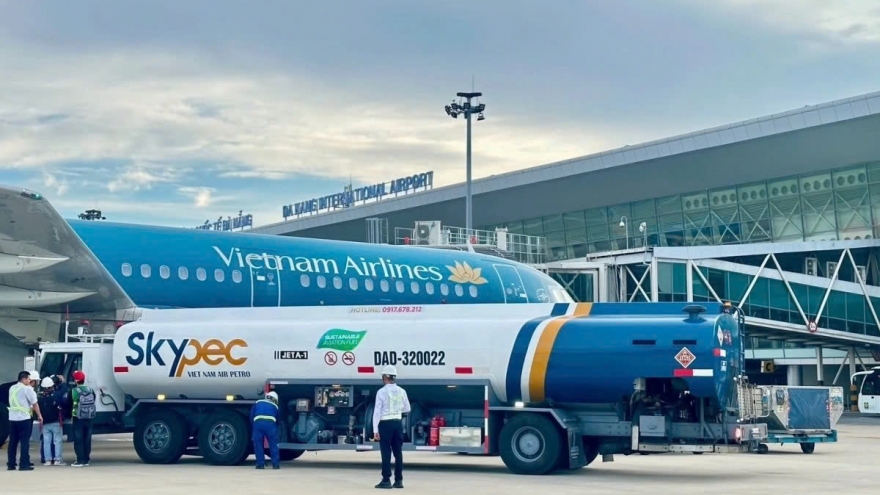
Strategic petroleum reserves seen as essential amid rising global energy risks

VOV.VN - Amid escalating geopolitical tensions and mounting volatility in global energy markets, experts are calling for the rapid development of national strategic petroleum reserves as a necessary, practical and achievable solution to safeguard national energy security and stabilise supply.
According to industry estimates, the construction cost of a strategic petroleum storage facility with a capacity of around one million tonnes is approximately US$400 million. Such projects could be implemented through public-private partnerships (PPP) or by mobilising foreign investment, offering both flexibility and financial feasibility.
Preventing supply disruptions
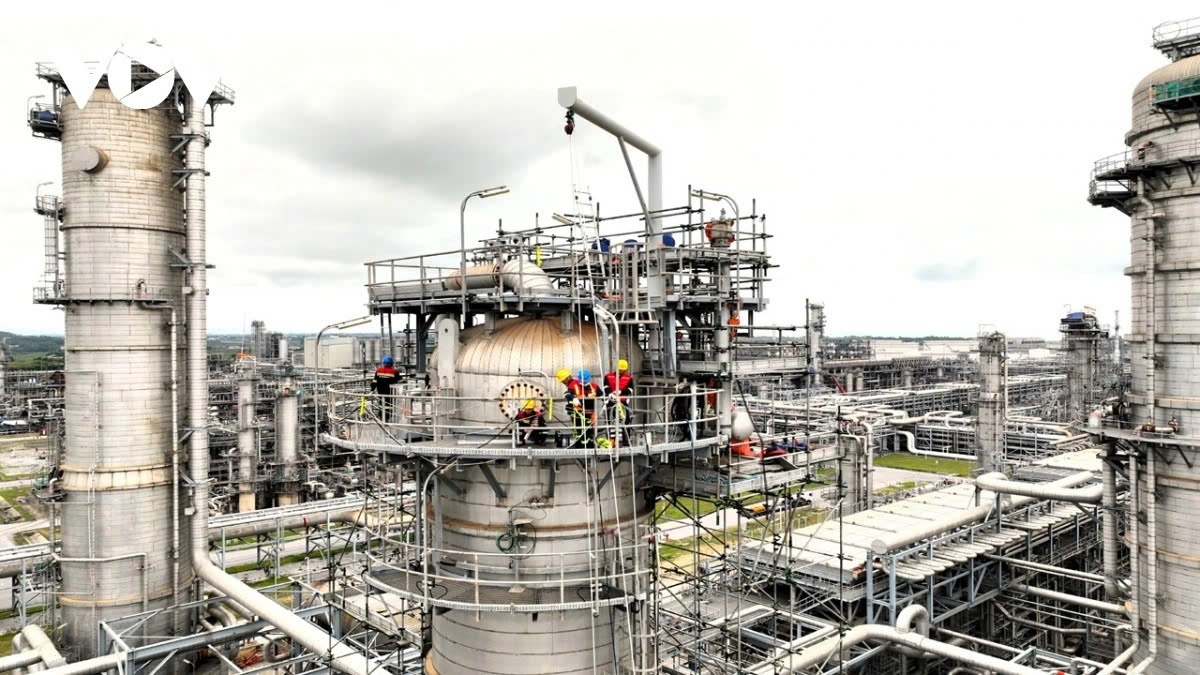
Vietnam’s fuel demand currently stands at around 25–26 million tonnes per year. Domestic refineries, including Nghi Son and Dung Quat, meet roughly 70% of total demand, leaving the country dependent on imports to fill the gap.
In addition, Vietnam still relies heavily on imported crude oil for refining, with approximately 14 million tonnes sourced annually as domestic output continues to decline, now at around 8 million tonnes per year.
According to energy expert Le Minh, a member of the scientific council of the Vietnam Energy Association, the Dung Quat refinery has demonstrated operational flexibility by exceeding its designed capacity and adapting to various crude oil sources.
However, the Nghi Son refinery, with a capacity of 10 million tonnes per year, faces significant risks due to its heavy reliance on crude imports from Kuwait via the Strait of Hormuz, a region increasingly affected by tensions linked to the Israel–Iran conflict. Current supply is expected to last only until the end of April 2026, raising the possibility of production disruptions from May.
“If crude oil supply for Nghi Son is interrupted and global tensions escalate further, Vietnam may be forced to import up to 14 million tonnes of petroleum products, equivalent to nearly 60% of domestic demand,” Minh warned.
Current fuel reserves remain limited. Strategic reserves account for only about seven days of supply, while refineries and distributors maintain inventories ranging from 20 to 30 days. At the same time, domestic natural gas output has declined to below seven billion cubic metres per year.
“These realities highlight the urgent need to strengthen national energy resilience through expanded storage capacity,” Minh added.
A feasible strategic solution
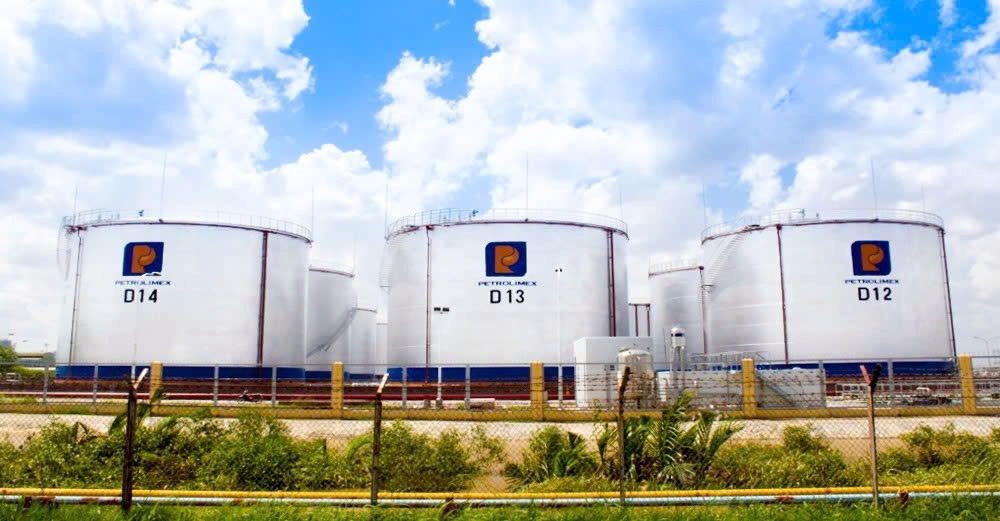
At a recent government meeting on energy security, Prime Minister Pham Minh Chinh urged relevant ministries to work with international partners to accelerate the development of a strategic petroleum reserve facility at Nghi Son.
Experts believe that such a move is both necessary and achievable, noting that several countries in the region, including Japan, the Republic of Korea and Thailand, have already established large-scale strategic reserves.
“With current market uncertainties, Vietnam should quickly develop optimal scenarios and move forward with feasibility studies, investment planning and resource mobilization,” Minh said.
He emphasised that building one or two integrated national petroleum storage hubs for both crude oil and refined products would help ensure stable supply, mitigate risks of disruption and support long-term economic growth.
The development of strategic reserves is also expected to play a key role in stabilising fuel prices, reducing dependence on external supply and enhancing Vietnam’s attractiveness to foreign investors.
In the longer term, such infrastructure would form a critical pillar of national energy security, enabling the country to better respond to global shocks while maintaining sustainable economic development.
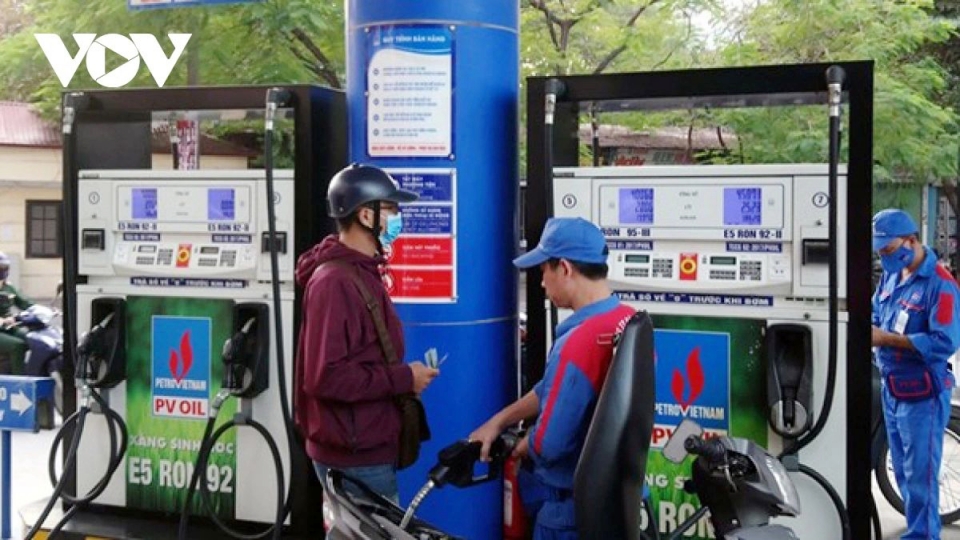
Zero fuel tax extension proposed to ease market pressure
VOV.VN - The Ministry of Finance has proposed extending the current zero-tax policy on several fuel-related taxes until June 30, 2026, in a bid to cope with volatile global energy markets and support domestic economic stability.