PM calls for flexible policy response to global uncertainties

VOV.VN - Vietnamese Prime Minister Pham Minh Chinh on March 5 urged authorities to maintain flexible and proactive economic policies to safeguard macroeconomic stability and sustain strong growth amid an increasingly uncertain global environment.
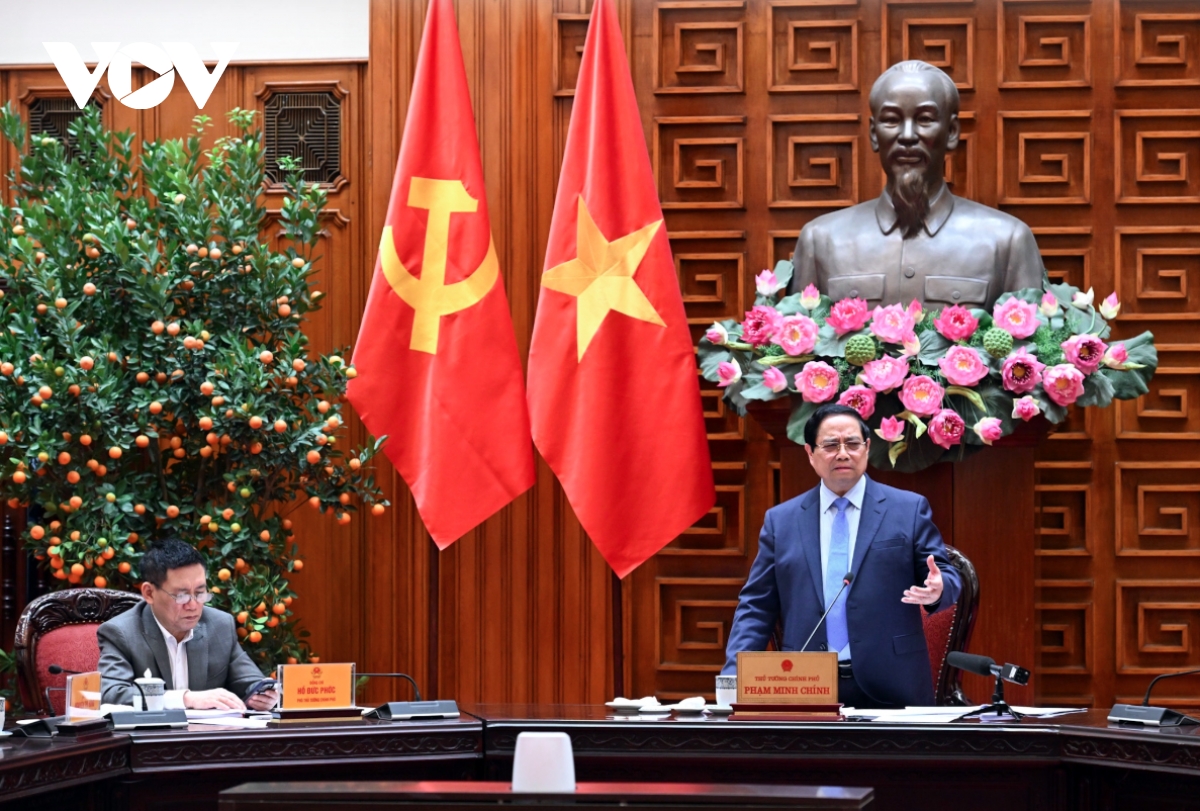
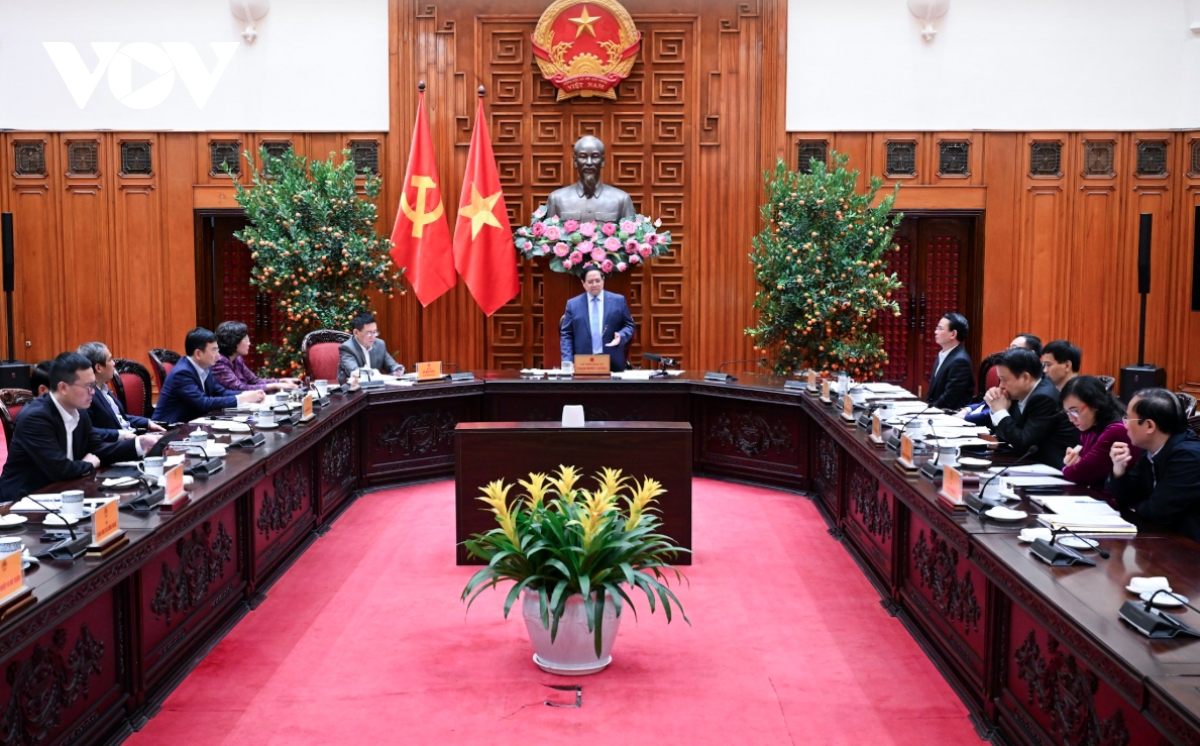
Chairing a government meeting on monetary and fiscal policy for 2026 at the Government Headquarters in Hanoi, the Prime Minister emphasised the need for Vietnam to adapt safely and effectively to any emerging situation.
He reiterated key economic targets for 2026, including maintaining macroeconomic stability, controlling inflation, and striving for double-digit economic growth, while keeping public debt, government debt and external debt within safe limits.
He reminded that Vietnam’s economy remains highly open, with total import-export turnover reaching around IS$930 billion in 2025, while GDP stood at approximately US$514 billion.
However, the Prime Minister warned that global developments, including geopolitical tensions, trade policy shifts in the United States and economic changes in China, could significantly affect Vietnam.
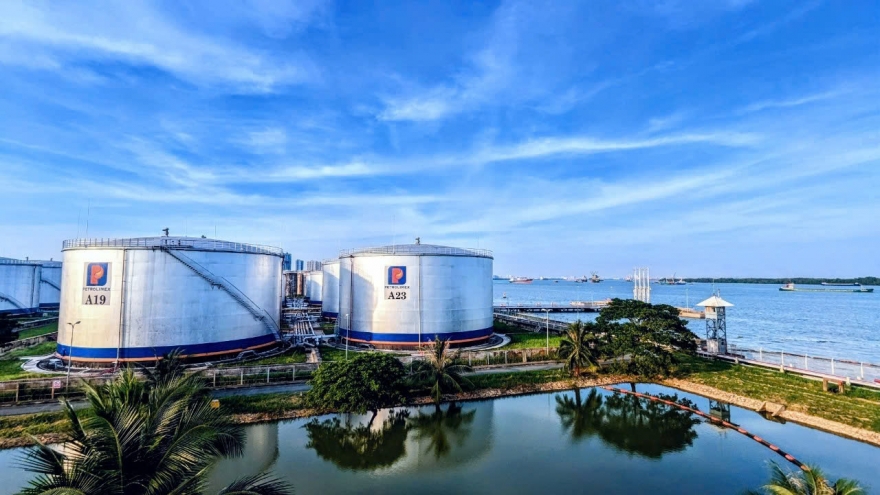
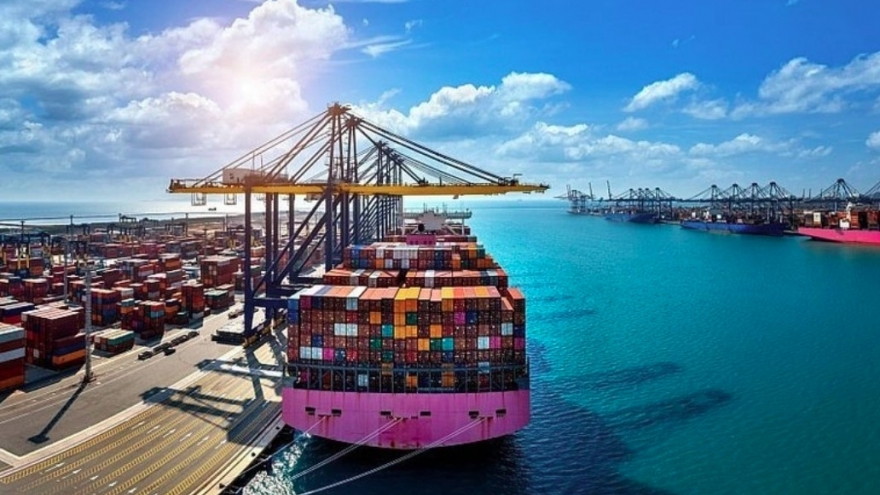
He said disruptions in global supply chains, rising logistics costs and energy challenges have increased production costs, creating difficulties for businesses and people’s livelihoods.
He urged ministries and agencies to closely monitor global developments, stay calm and proactive, and take advantage of opportunities while minimising risks to socio-economic development.
The Prime Minister called for flexible and effective monetary policy, focusing on interest rates, exchange rates, foreign-exchange reserves and credit growth. At the same time, fiscal policy should be expanded in a targeted and strategic manner, covering budget spending, taxation, fees, bonds and capital markets.
He stressed that monetary and fiscal policies must complement each other to ensure overall economic stability.
Vietnam will also accelerate the development of its international financial centre in Ho Chi Minh City and Da Nang as part of efforts to mobilise long-term investment capital.
The Government leader emphasised the importance of promoting new growth engines, particularly science and technology, innovation, digital transformation, green transition and energy transition.
Authorities were also urged to improve productivity, competitiveness and resource mobilisation across all sectors of the economy, especially small and medium-sized enterprises.
The Prime Minister also called for stronger trade promotion efforts and greater diversification of export markets and supply chains.
He highlighted potential opportunities in Pakistan’s strong market of 300 million consumers, as well as the Mercosur trade bloc in South America and the Gulf Cooperation Council (GCC). At the same time, he asked relevant agencies to provide timely support for businesses affected by global trade fluctuations.
To stimulate domestic consumption, the Prime Minister asked the Ministry of Industry and Trade to launch programmes promoting Vietnamese goods consumption.
He also proposed issuing a directive on energy conservation and green transition, while encouraging banks to lower lending rates and expand support for social housing projects.
The PM reaffirmed that Vietnam would maintain flexibility in policy tools and stay steadfast in its core goals of macroeconomic stability, inflation control and sustainable growth.
“Tools must be flexible, but the objectives must remain firm,” he said, underscoring the need to adapt safely and flexibly to any possible scenario.
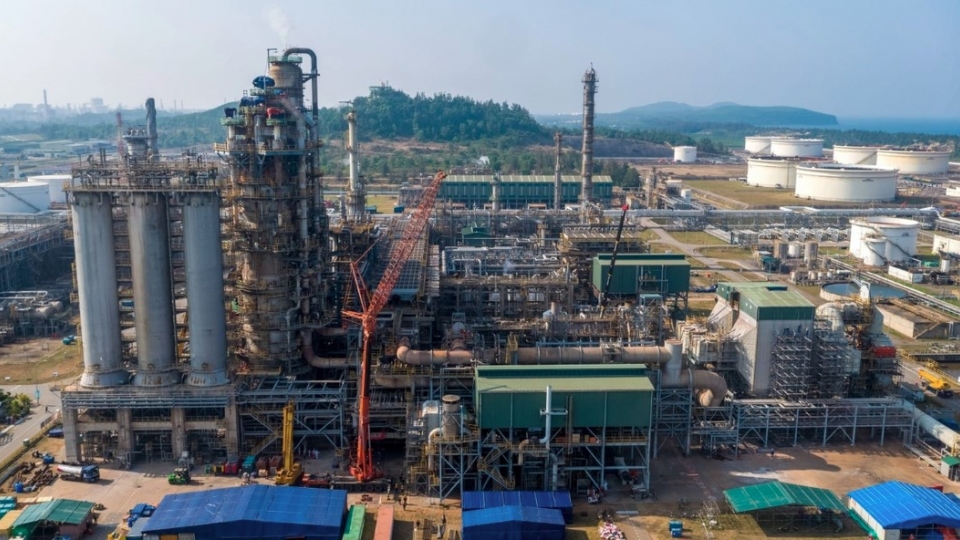
Middle East tensions threaten oil supply, Vietnam faces three economic scenarios
VOV.VN - Disruptions in the Strait of Hormuz, which carries about 20% of global oil supply, are rattling energy markets and raising concerns for import-dependent economies in Asia, with analysts warning Vietnam could face three economic scenarios if tensions in the Middle East persist.