Middle East airlines support Vietnamese passengers after flight disruptions

VOV.VN - Several Middle East airlines operating routes to Vietnam have introduced flexible support policies for passengers affected by flight cancellations and schedule adjustments caused by escalating tensions in the Middle East.

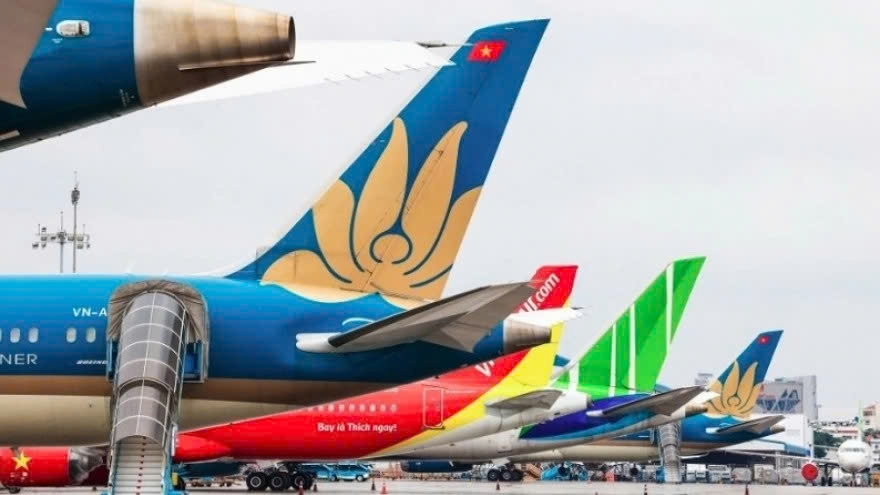
Carriers operating routes between Vietnam and the Middle East, including Qatar Airways, Etihad Airways and Emirates, have adjusted their flight operations in early March amid the complicated security situation impacted by airspace disruptions in the region, according to the Civil Aviation Authority of Vietnam.
From March 4 to 6, Qatar Airways planned to cancel 10 passenger flights at Noi Bai International Airport and Tan Son Nhat International Airport, affecting about 2,052 passengers, excluding infants. The airline also temporarily suspended four cargo flights during the same period.
Meanwhile, Etihad Airways canceled two pairs of commercial passenger flights to and from Hanoi on March 5, affecting a total of 960 travelers.
Emirates also suspended most flights to and from Dubai between February 28 and March 4. On March 4 alone, it canceled three flight pairs - EK364/365, EK392/393 and EK395 - while flight EK394 operated as scheduled. Emirates also arranged flight EK395 on March 5 as a repatriation service for citizens and residents of the United Arab Emirates.
To minimise disruptions and protect passenger rights, the airlines have introduced flexible travel policies.
Qatar Airways allows passengers holding tickets for travel between February 28 and March 10 to change departure dates free of charge within 14 days of the original travel date or request refunds for unused tickets in accordance with fare conditions.
Etihad Airways offers free ticket changes for passengers whose tickets were issued before February 28 for travel before March 10. Travelers can rebook flights operated by the airline up to March 31 or request refunds.
Passengers are also advised to check flight status before heading to the airport and ensure their contact details are updated in booking records.
Emirates passengers affected by the disruptions may rebook flights departing on or before March 20 or request refunds for tickets scheduled on or before March 10.
The airlines also noted that passengers who purchased tickets through travel agencies should contact their agents directly for assistance, while those who booked directly with the airlines can seek support through official websites or customer service hotlines.
The Civil Aviation Authority of Vietnam said it would continue coordinating with relevant agencies to closely monitor airline operations and provide timely updates to passengers in order to minimise the impact of developments in the Middle East.
The current security situation in the Middle East remains highly volatile, particularly following military strikes by the United States and Israel on Iran and the subsequent retaliatory actions by Iran. The escalating tensions have significantly heightened geopolitical risks, directly affecting global trade, transportation and supply chains.
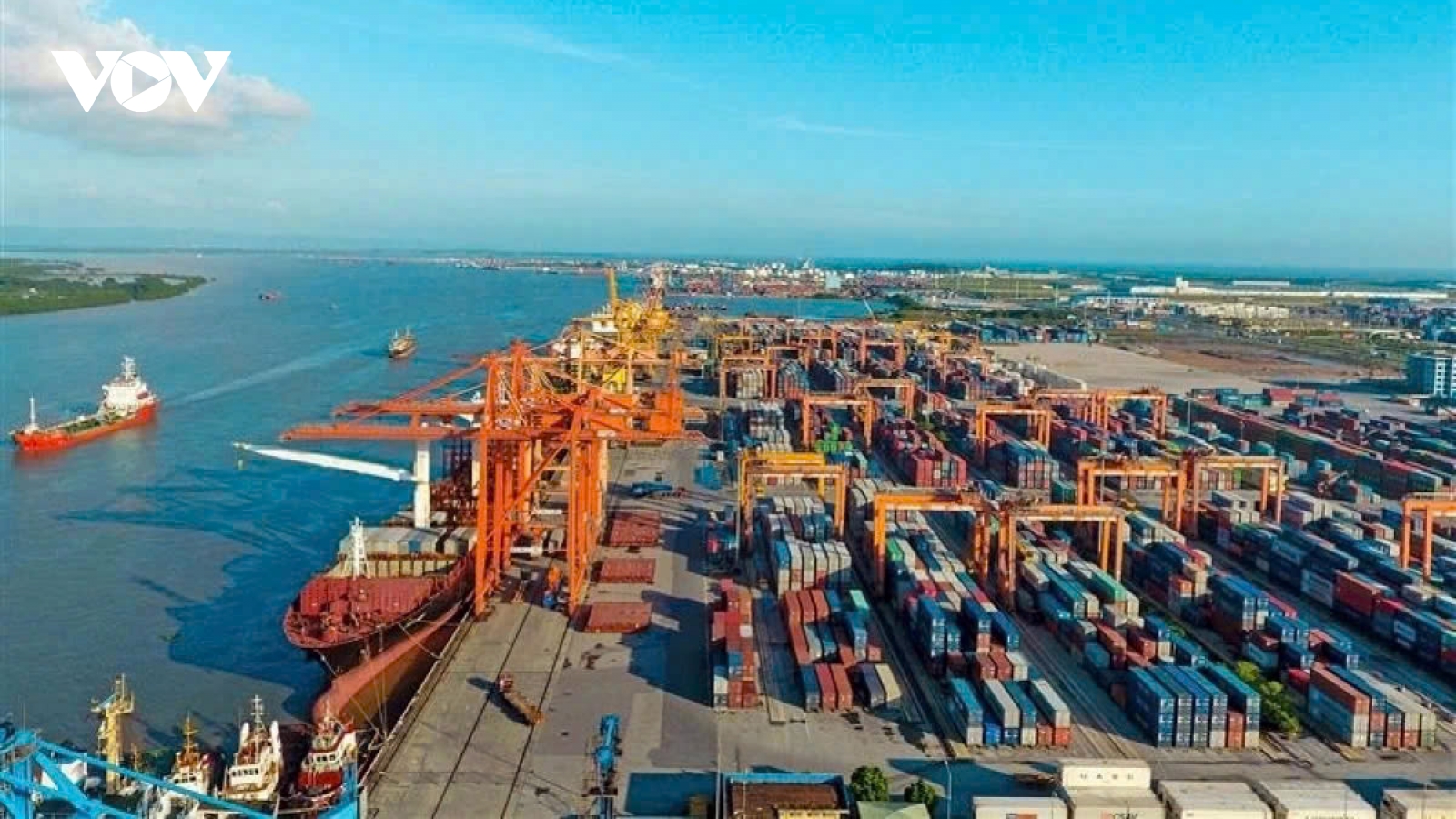
One of the most immediate impacts has been on key maritime routes, especially the Red Sea corridor, which plays a crucial role in global shipping and logistics. Heightened security risks in the region have raised concerns among shipping companies and logistics providers, potentially causing disruptions, delays and increased transportation costs for international trade flows.
In addition to trade and logistics, the services sector, particularly tourism, has also experienced noticeable effects. International travel demand to and within the Middle East has declined as safety concerns grow among travelers. Several airlines have been forced to cancel or reroute flights due to security risks and airspace restrictions.
Experts note that if geopolitical tensions persist, the ripple effects could extend further across global supply chains and international travel markets, highlighting the vulnerability of interconnected economic sectors to regional conflicts.

Vietnam trade counsellor in Israel warns escalating Middle East conflict weighing on trade
VOV.VN - Escalating conflict involving Israel, the US and Iran is weighing on the trade and investment environment in Israel and across the Middle East while placing additional pressure on global supply chains, Vietnam’s Trade Counsellor in Israel Le Thai Hoa said.