Middle East tensions threaten oil supply, Vietnam faces three economic scenarios

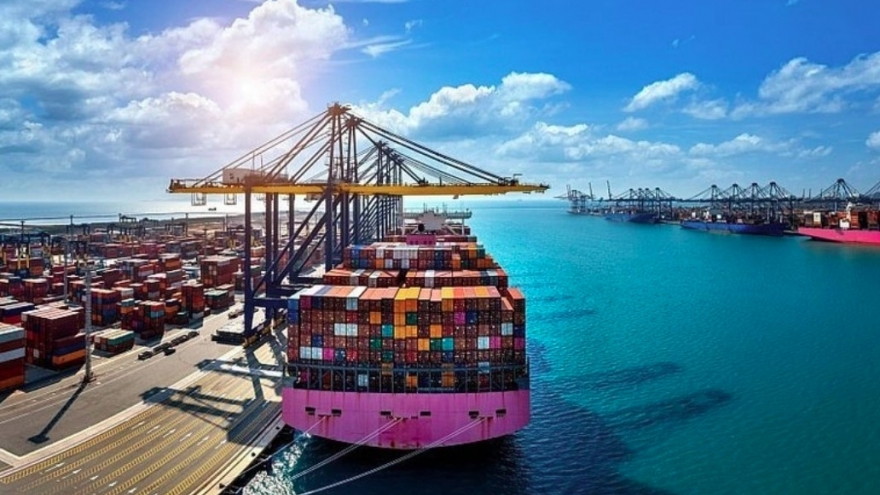
VOV.VN - Disruptions in the Strait of Hormuz, which carries about 20% of global oil supply, are rattling energy markets and raising concerns for import-dependent economies in Asia, with analysts warning Vietnam could face three economic scenarios if tensions in the Middle East persist.
Deepali Bhargava, an expert at ING Bank in the Netherlands, said disruptions in the Strait of Hormuz could quickly trigger supply shortages and slow industrial activity across Asia. Vietnam, Thailand and the Republic of Korea are among the countries most vulnerable to such shocks due to their reliance on imported energy.
In Vietnam, tightening supplies have already pushed retail fuel discounts to record lows. Nguyen Xuan Thang, director of Hai Au Phat Company in Lam Dong province, said discounts have fallen to just VND20 per litre, and in some cases to zero. At the same time, supply conditions have become increasingly difficult, with import times doubling and additional stock volumes declining by 40–50%.
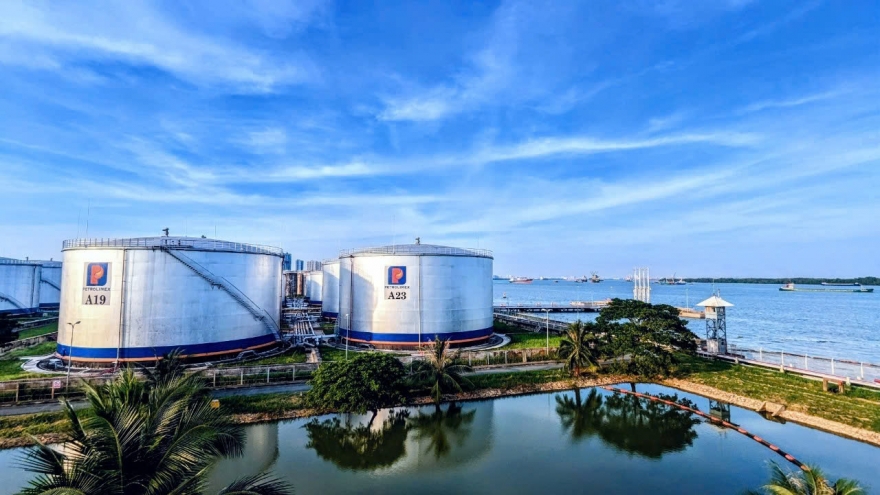
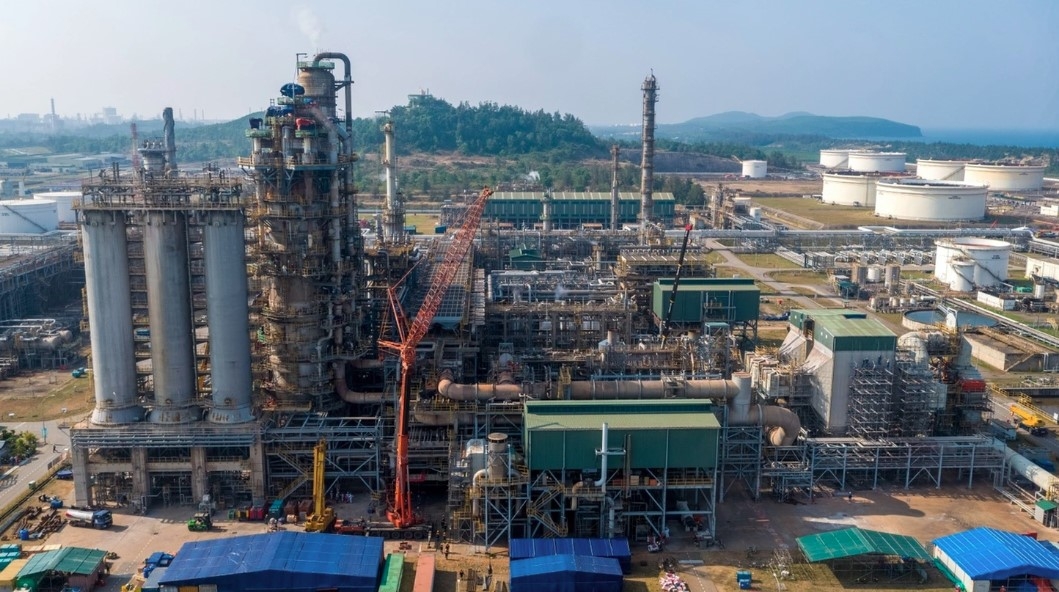
Although the Nghi Son and Binh Son (Dung Quat) refineries supply about 70–80% of Vietnam’s domestic fuel demand, they still depend heavily on imported crude oil. Notably, the Nghi Son refinery relies on crude imports from Kuwait, which must pass through the Strait of Hormuz - a key maritime corridor currently facing heightened geopolitical risks.
Nguyen Viet Thang, chief executive officer of Binh Son Refining and Petrochemical (BSR), warned that if tensions persist for more than a month, global oil prices could climb above US$100 per barrel.
“The risks are not limited to higher oil prices,” Thang said. “Additional surcharges, rising marine insurance costs and longer delivery times could also disrupt refinery operations, potentially affecting supply by the end of the second quarter of 2026.”
Against this backdrop, Associate Professor Dr Ngo Tri Long, former director of the Institute for Market and Price Research under the Ministry of Finance, outlined three possible scenarios for the Vietnamese economy depending on how the situation evolves.
Under the first scenario, disruptions are manageable and key shipping routes stay open. However, higher transportation and insurance costs could increase production expenses and slow export activity. In this case, Vietnam’s GDP growth may fall slightly short of its target, while inflation could edge up but remain under control if exchange rate policies are managed flexibly.
In the second scenario, prolonged tensions push energy prices higher and slow global economic activity, weakening demand in major export markets. This would place the Vietnamese economy under what Long described as “double pressure,” as exports decline more sharply and foreign direct investment inflows begin to slow. In such circumstances, policymakers may need to accept lower economic growth in order to safeguard macroeconomic stability and contain inflationary pressures.
The third scenario involves a severe external shock in which geopolitical escalation significantly disrupts oil flows through the Strait of Hormuz. Such a development could drive energy prices sharply higher and trigger a steep contraction in global trade. Under this scenario, Vietnam could face a pronounced economic slowdown, rising inflation and mounting pressure on exchange rates and interest rates.
“In such circumstances, strengthening reserves, maintaining fiscal discipline and enhancing economic resilience become critical,” Long said.
To mitigate risks, the expert recommended that the Government coordinate three key policy pillars including flexible monetary policy, proactive fiscal measures and strengthened energy security.
“If these pillars are effectively implemented, Vietnam can cushion external shocks, maintain macroeconomic stability and still strive to achieve the growth targets set by the National Assembly for 2026,” he added.
Deputy PM pushes development of Dung Quat national energy hub
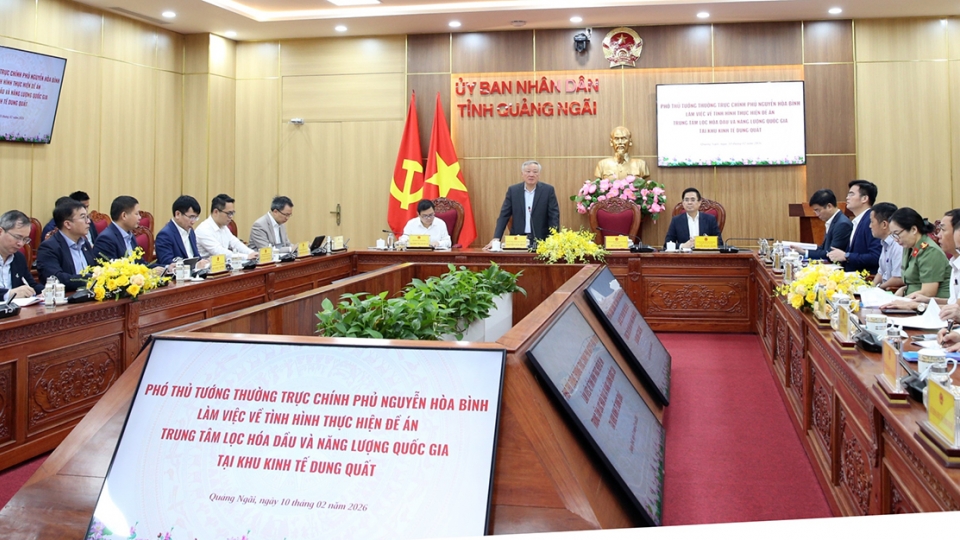
VOV.VN - Standing Deputy Prime Minister Nguyen Hoa Binh on February 10 underscored the strategic importance of developing the National Oil Refining and Energy Centre at Dung Quat Economic Zone, describing it as a rare opportunity for Quang Ngai province and a project of national significance.