Party chief urges Hai Phong to shift growth model toward technology and innovation

VOV.VN - Party General Secretary To Lam on March 16 called on Hai Phong, the largest port city in northern Vietnam, to upgrade its growth model toward productivity, science, technology and innovation in order to sustain strong economic expansion in the coming years.
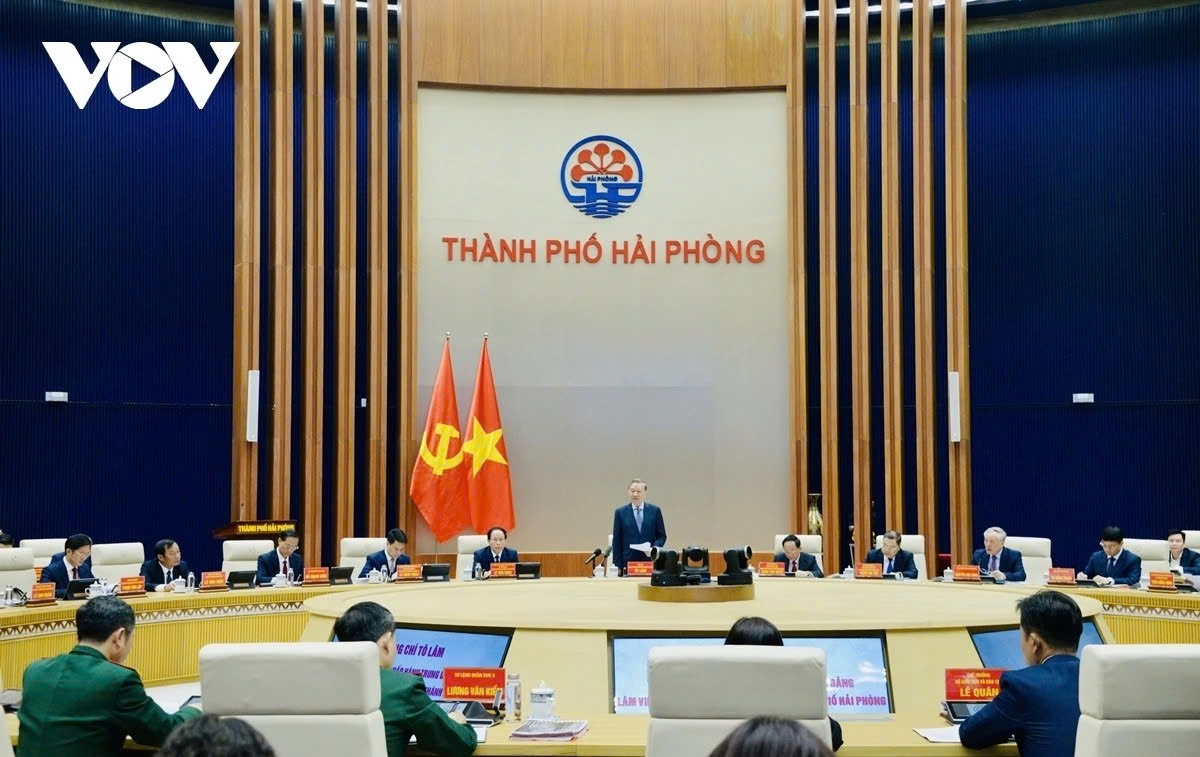
During a working session with the Executive Committee of the Hai Phong Party Committee, the Party chief stressed that the city should build new development momentum based on technological advancement and innovative capacity.
According to a report presented by city authorities, Hai Phong has recorded strong economic performance in recent years, particularly in 2025.
The city’s gross regional domestic product (GRDP) growth reached 11.81% last year, ranking second nationwide and the highest among centrally governed cities. It also marked the 11th consecutive year the city maintained double-digit economic growth.
Hai Phong’s economic scale has reached nearly US$30 billion, ranking third in the country. The economic structure has continued shifting toward industrialisation and modernisation, with industry, construction and services accounting for nearly 90% of GRDP. Port operations, logistics services and investment attraction have also continued to expand rapidly.
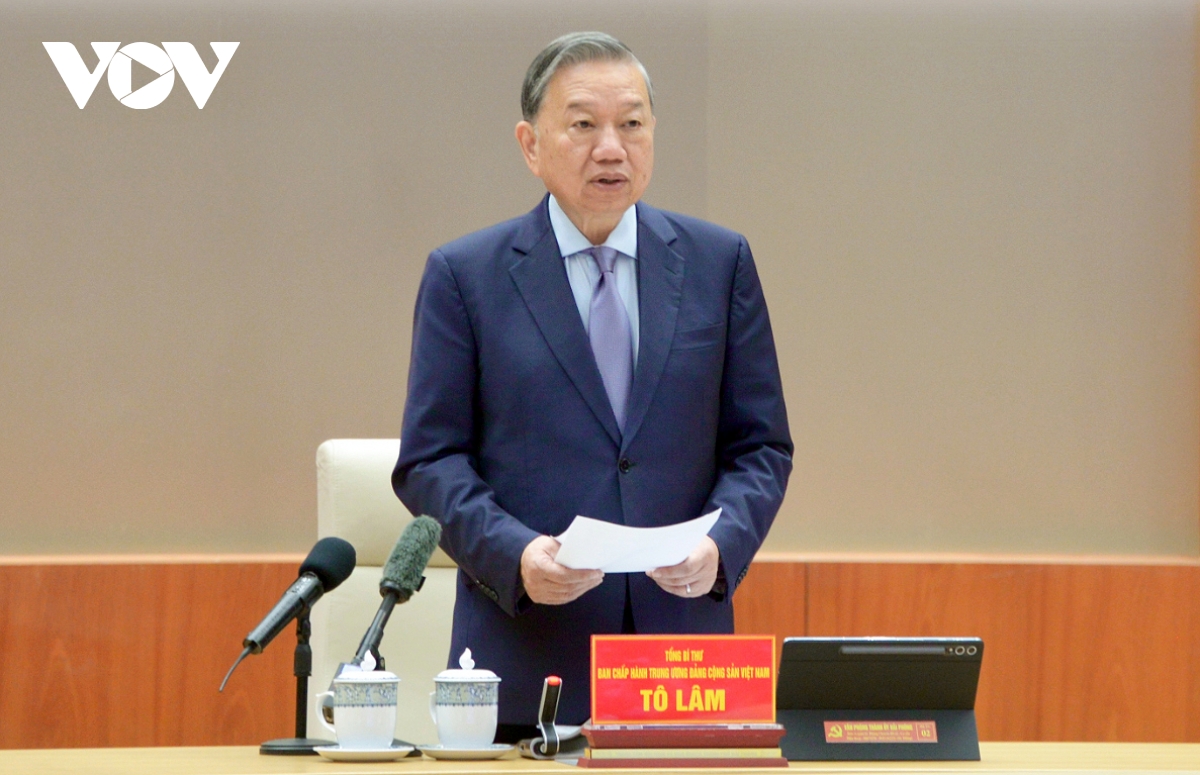
While praising these achievements, the Party leader noted that Hai Phong still faces several limitations. The city’s growth model is significantly dependent on processing and assembly industries, while the value-added content and technological intensity of many sectors remain relatively low.
He also pointed out that regional connectivity infrastructure, particularly in logistics, railways, inland waterways and digital infrastructure, is insufficiently synchronised.
Given this context, the top leader stressed the need for a shift toward a growth model driven by productivity, science and technology, and innovation, describing these factors as the core engines of sustainable growth.
Hai Phong should focus on breakthroughs in modern industrial development, particularly high-tech industries, processing and manufacturing, and high-value supporting industries, he said.
Industrial restructuring should go hand in hand with modernisation, digital transformation and green production, while the city should selectively attract investors, technologies and strategic supply chains to form an advanced industrial ecosystem, he added.
The Party chief also called for stronger development of the city’s seaport system, logistics sector and marine economy, including the construction of an international logistics centre linked with multimodal transport, e-commerce, green ports and smart port infrastructure.
Such efforts, he said, would help transform Hai Phong into a key hub coordinating trade flows, logistics and high-value services in northern Vietnam.
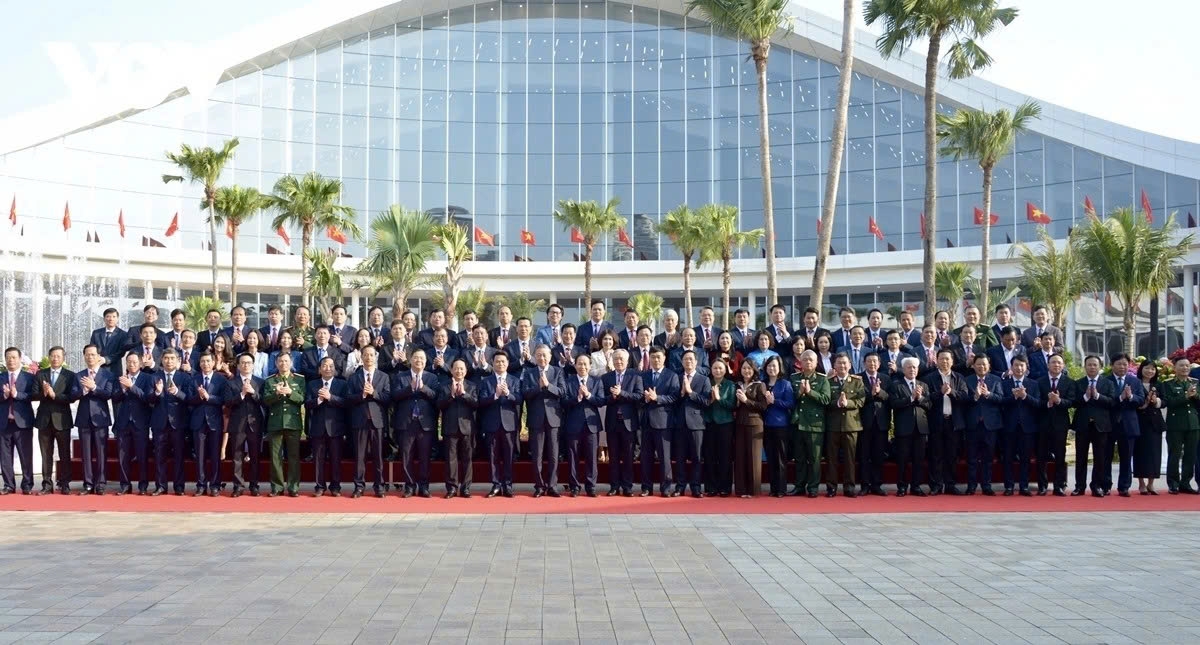
Regarding long-term development planning, the Party chief suggested that Hai Phong should position itself alongside major port cities in Asia and globally to shape an appropriate development strategy.
Urban planning, infrastructure and development space should therefore be designed with a long-term vision, ensuring adaptability to global economic shifts, maritime trade trends, technological change and climate change.
He also emphasised the need to improve living conditions for workers, particularly those employed in industrial parks, port operations and migrant labour.
Industrial growth, he said, must be accompanied by the development of social infrastructure, including social housing, worker accommodation and essential services such as education, healthcare and public cultural facilities.
According to the top leader, the ultimate goal is to build Hai Phong into a modern port city and internationally competitive logistics and marine economic centre. It strives to be a livable city where economic growth is closely linked with social progress, cultural development, environmental protection and the well-being of its people.
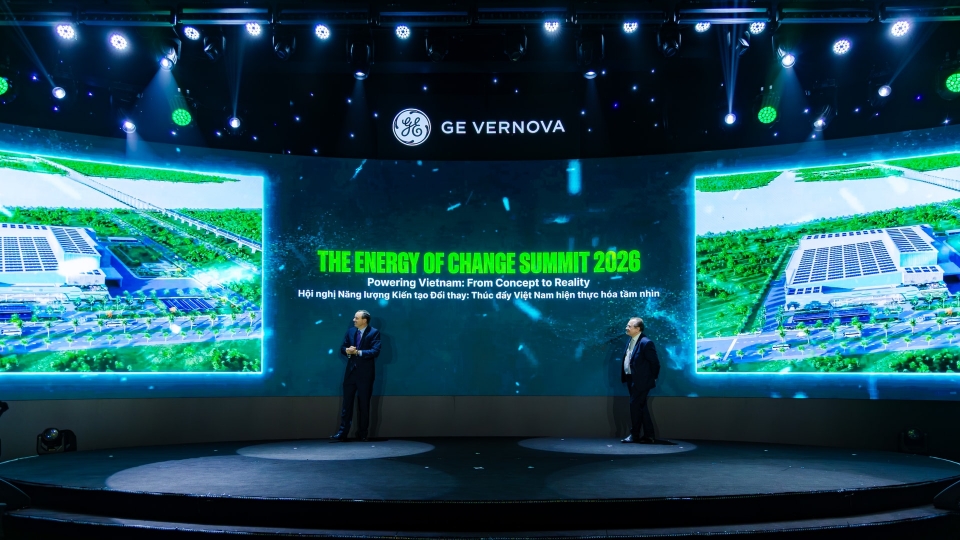
GE Vernova to invest US$200 mil in Hai Phong manufacturing plant
VOV.VN - GE Vernova has announced plans to invest approximately US$200 million to build a high-voltage direct current (HVDC) transmission equipment manufacturing facility in Hai Phong, aiming to support rising energy demand across Asia.