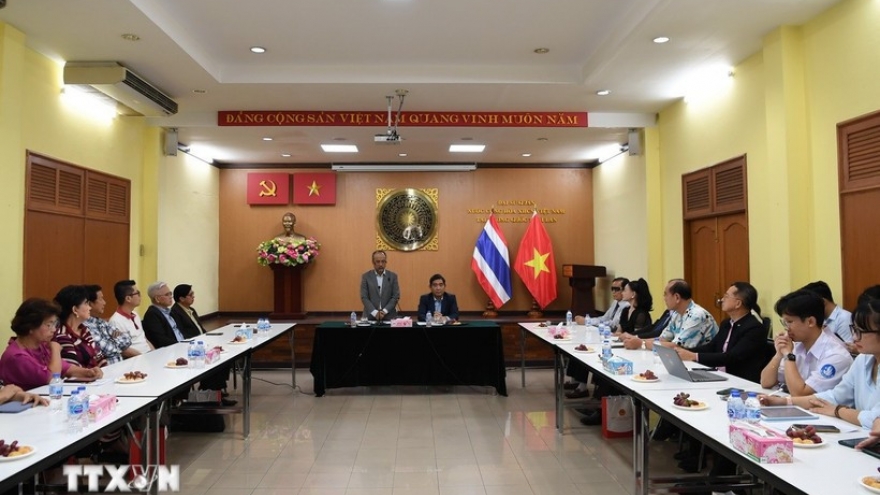
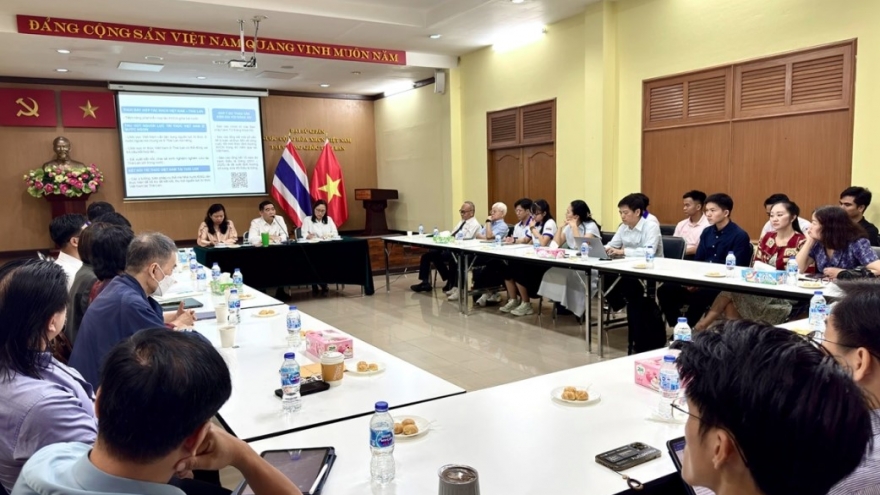
Overseas Vietnamese seen as key resource for national development

VOV.VN - Vietnam continues to regard its overseas Vietnamese community as an integral part of the national community and an important resource for the country’s development, as the Party and State refine policies to better engage the diaspora amid deeper international integration.
This long-standing position has been further elevated during the term of the 13th National Congress of the Communist Party of Vietnam, reflecting both a shift in strategic thinking and more concrete action across the political system in response to the country’s evolving development needs.
From mobilisation to partnership
A notable change in policy during the current term has been a shift from an approach centred on mobilisation to one focused on partnership, support and service, placing the legitimate interests and needs of overseas Vietnamese at the core.
Following the 13th National Party Congress, the Politburo issued Conclusion No. 12-KL/TW to further implement Resolution No. 36-NQ/TW on overseas Vietnamese affairs. The document underscores strong political commitment to improving institutional frameworks and policies to safeguard the lawful rights and interests of the diaspora, while facilitating their deeper participation in national development.
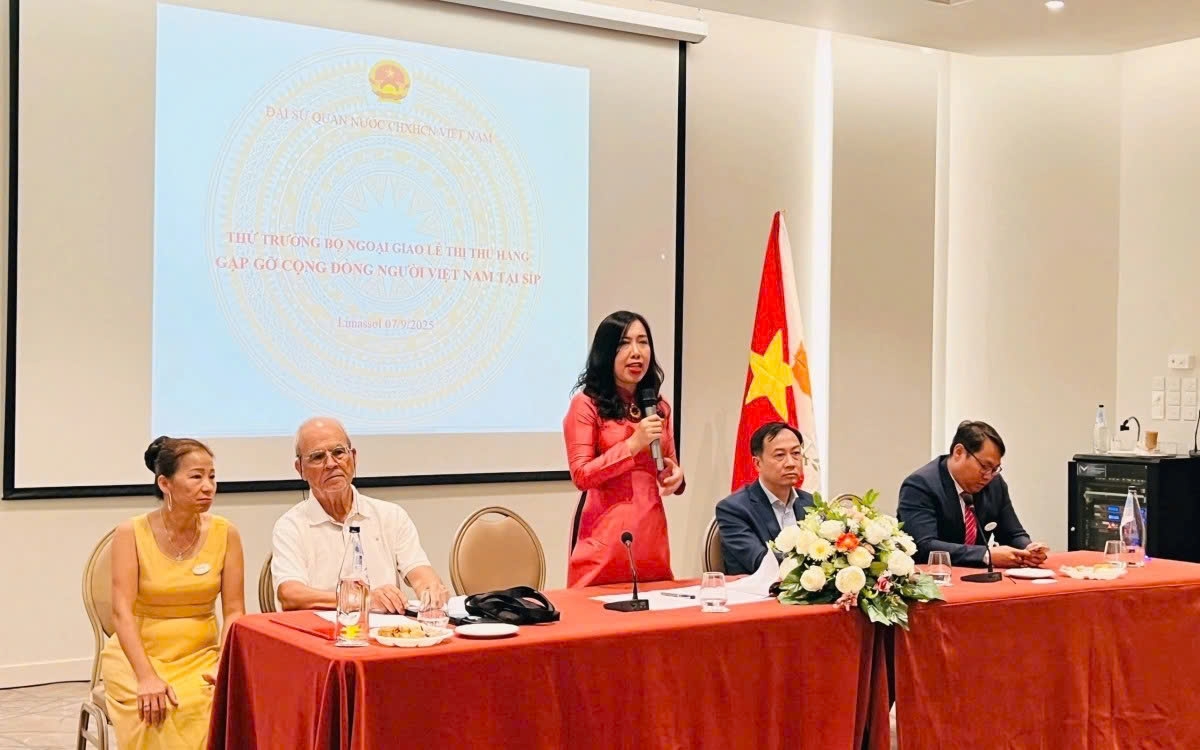
Deputy Foreign Minister Le Thi Thu Hang said management thinking has evolved toward accompanying, supporting and serving overseas Vietnamese. Legal frameworks have been gradually refined, including amendments to the Law on Nationality, the Land Law and the Housing Law, improving conditions for overseas Vietnamese to invest, reside and maintain long-term ties with the country.
“Overseas Vietnamese are not only beneficiaries but are also given the opportunity to participate and contribute their opinions to the major policies of the Party and the State,” said the diplomat.
A stable, well-integrated community with significant potential
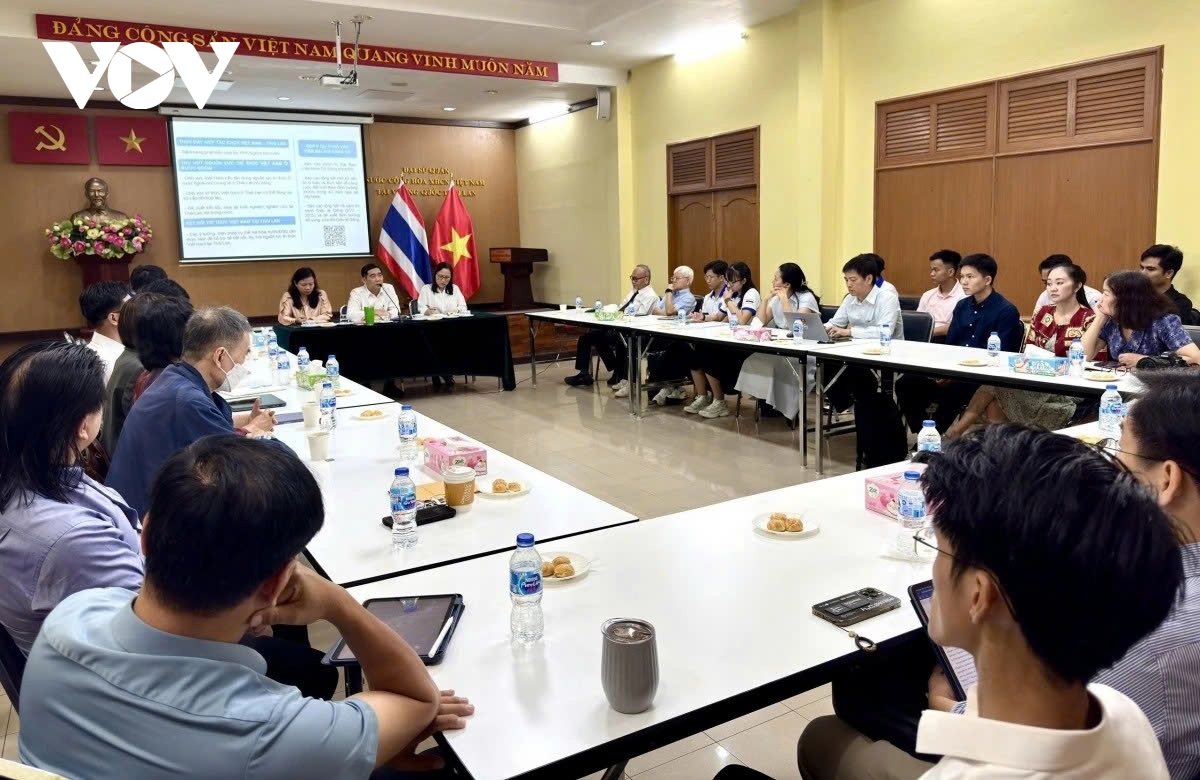
Vietnam currently has an estimated 6 million expatriates living in more than 130 countries and territories worldwide. The community is considered increasingly stable and well integrated into host societies, while possessing substantial resources in terms of expertise, management experience, financial capital and international networks.
Despite the impact of the COVID-19 pandemic and global geopolitical and economic volatility, remittances to Vietnam during 2020–2024 reached an estimated US$80–85 billion, averaging US$16–19 billion annually. Vietnam has consistently ranked among the world’s top 10 remittance-receiving countries, supporting macroeconomic stability, foreign exchange balance and social welfare.
In parallel, overseas Vietnamese have implemented more than 440 investment projects in Vietnam, with total registered capital of about US$1.7 billion, mainly in high-tech industries, innovation, education and training, and high-value services.
During the COVID-19 pandemic, storms, floods, and other natural disasters, Vietnamese nationals abroad have supported efforts to connect sources of vaccines, donated millions of US dollars, hundreds of millions of face masks, tonnes of medical equipment, and essential supplies to people affected by storms and floods. These contributions not only have material value but also strongly upheld the spirit of national solidarity and mutual assistance.
Overseas intellectuals as a strategic resource

Attracting and mobilising overseas Vietnamese intellectuals has emerged as a key focus during the current term. Thousands of overseas experts and scientists have contributed to policy advice, teaching, research and technology transfer across ministries, localities, research institutes, universities and domestic enterprises.
Prime Minister Pham Minh Chinh has repeatedly emphasised that human capital is Vietnam’s most valuable resource, affirming the government’s commitment to creating favourable conditions for overseas Vietnamese to participate more directly and substantively in national development.
“The Vietnamese community abroad is an inseparable part of the Vietnamese nation. I request the Ministry of Foreign Affairs, the State Committee for Overseas Vietnamese, and relevant agencies to proactively develop solutions to fulfill their functions, duties, and powers regarding the suggestions, proposals, and aspirations of overseas Vietnamese, ensuring their effective implementation,” said the PM in a recent meeting with overseas Vietnamese intellectuals.
New orientation in a new development phase
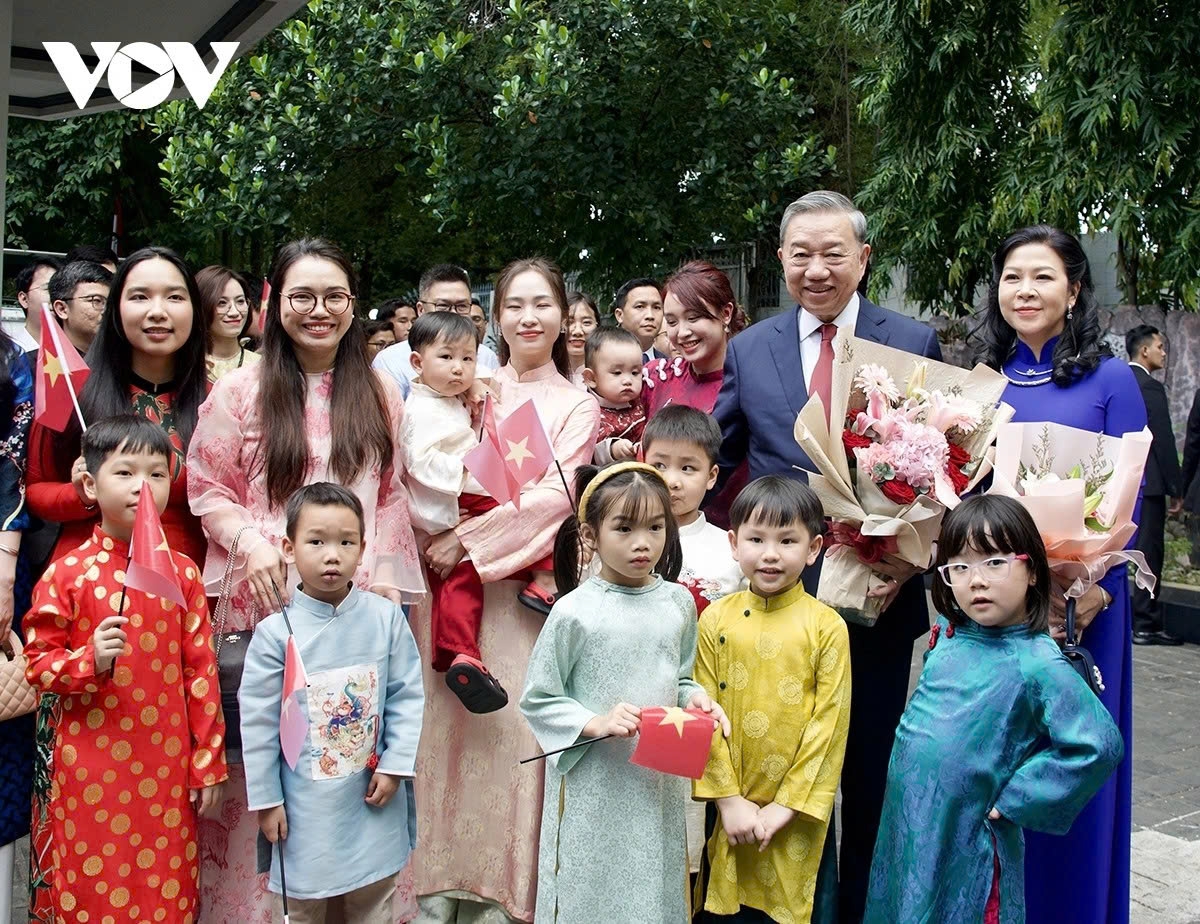
Draft documents for the 14th Party Congress continue to underscore the overseas Vietnamese community as an important driving force in the country’s next development phase. Policy priorities are shifting from attracting financial resources toward mobilising knowledge, technology and global networks, while leveraging Vietnam’s soft power through culture, language and national image promotion.
Party General Secretary To Lam has reiterated that overseas Vietnamese are an inseparable part of the Vietnamese nation and a key factor in strengthening Vietnam’s relations with other countries.
“I hope that all six million of our compatriots abroad will be united as one, sharing the same belief and will towards the aspiration of building a strong, prosperous, and happy Vietnam,” stated the top leader. “The 14th Party Congress is expected to mark the beginning of a new development era, in which overseas Vietnamese continue to serve as bridges of friendship and people’s ambassadors for Vietnam globally.”
The growing strength and cohesion of the overseas Vietnamese community reflect the effectiveness of Vietnam’s consistent and inclusive policies. The principle of viewing overseas Vietnamese as an integral part of the nation and a vital development resource is set to remain a guiding thread in policymaking and implementation.
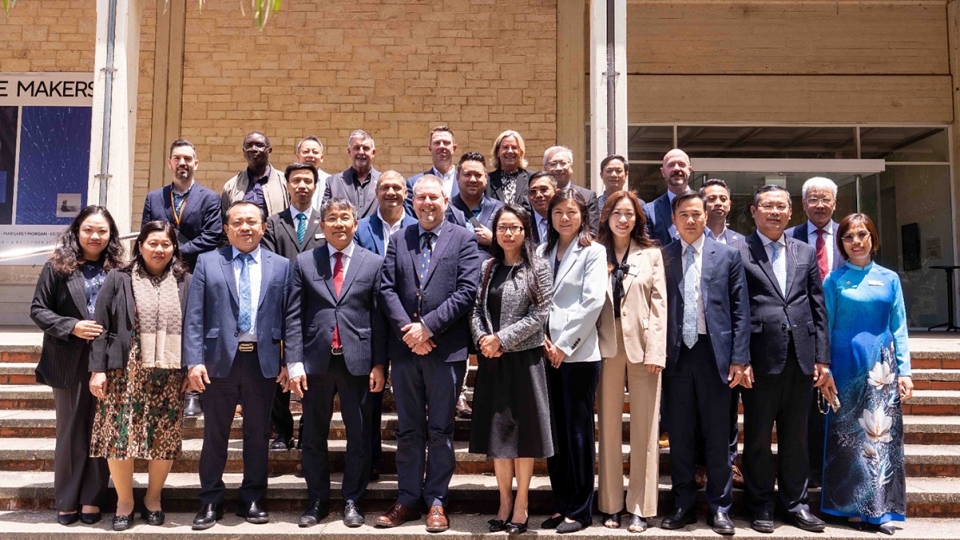
Overseas Vietnamese in Australia voice expectations ahead of Party Congress
VOV.VN - Overseas Vietnamese in Australia have expressed strong interest in the upcoming 14th National Congress of the Communist Party of Vietnam at home, voicing expectations that the event will deliver policy breakthroughs to strengthen the country’s competitiveness in a changing global environment.