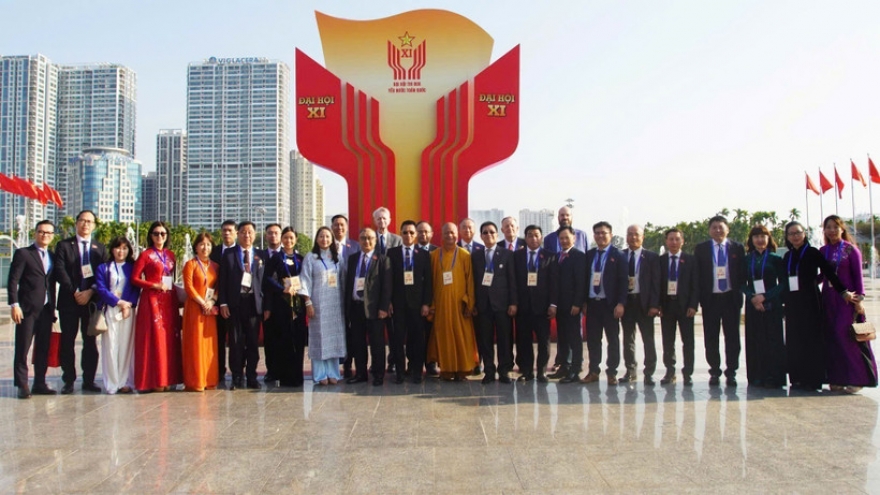
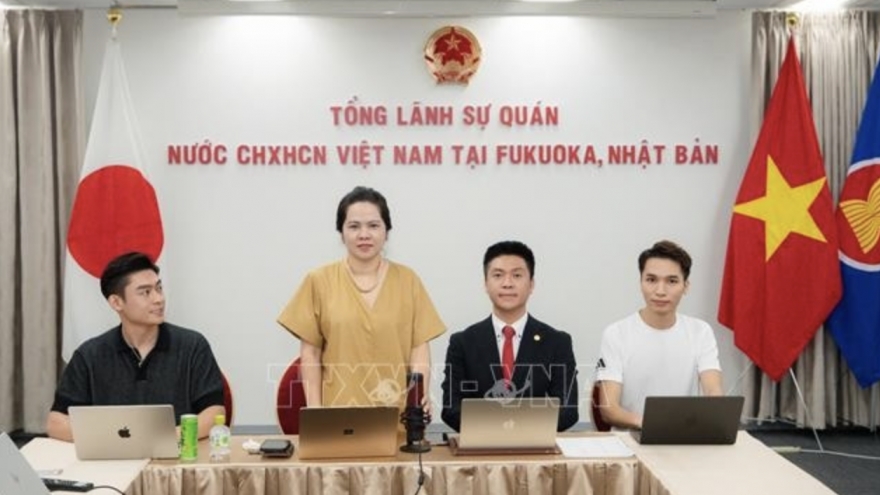
Overseas Vietnamese stand alongside the homeland through open dialogue forums

VOV.VN - In recent years, dialogue forums organized by Vietnam’s overseas representative agencies have served as a bridge linking overseas Vietnamese (OVs) with the homeland.
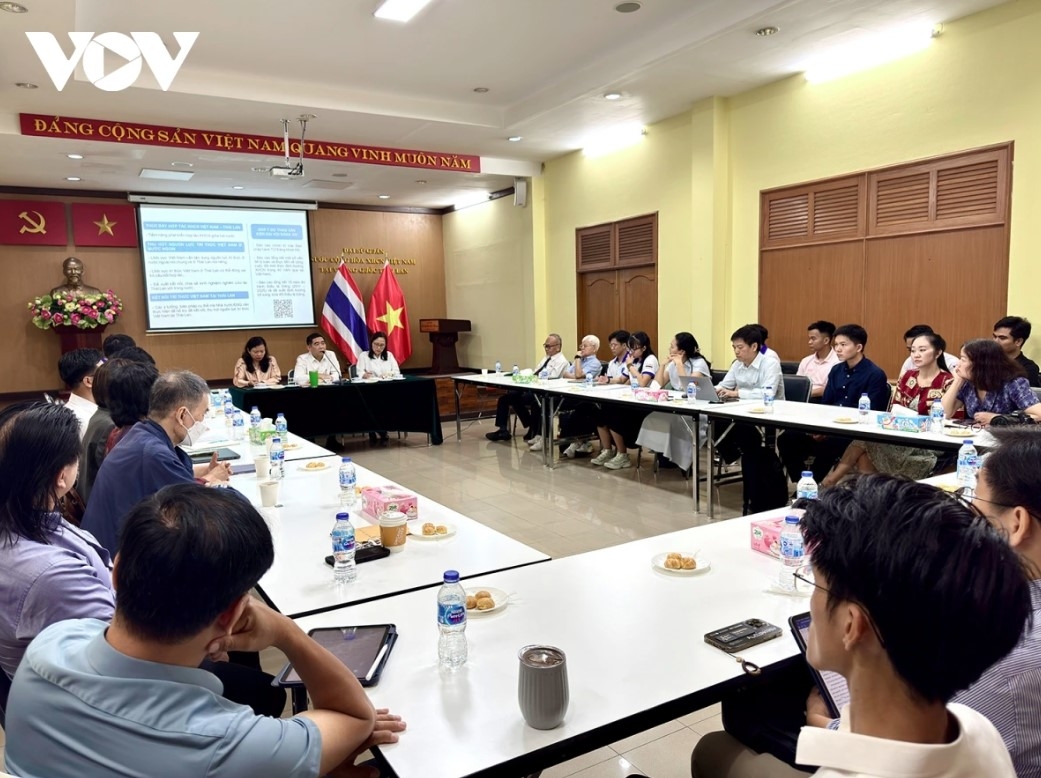
In Thailand, face-to-face meetings have enabled community members to share their views, contribute feedback on key documents, and reaffirm that the voices of overseas Vietnamese are taken seriously.
The Vietnamese Embassy in Thailand and the Consulate General in Khon Kaen have repeatedly held meetings and exchanges with overseas Vietnamese, allowing them to comment on resolutions and draft documents of Party congresses, while also discussing issues related to community life and national development. These efforts have been widely welcomed by the Vietnamese community in Thailand, who say the homeland is attentive and responsive to their views.
Nguyen Viet Thong, Vice Chairman of the Thai-Viet Association in Bangkok and surrounding areas, said such meetings give overseas Vietnamese an opportunity to voice their views in a serious manner, not only on major Party and State documents but also on ways to make practical contributions to the country’s development.
Many young overseas Vietnamese intellectuals also view the forums as a chance to turn their desire to contribute into concrete action.
Associate Professor Dr. Dang Ngoc Hoang Truc, from the Institute for Population and Social Research, Mahidol University in Thailand, said dialogue sessions organized by Party and State bodies through overseas agencies allow OVs to directly share their opinions. She added that proactive outreach to overseas intellectuals, combined with coordination with domestic experts, can help shape policies that are grounded in practice and supportive of national development.
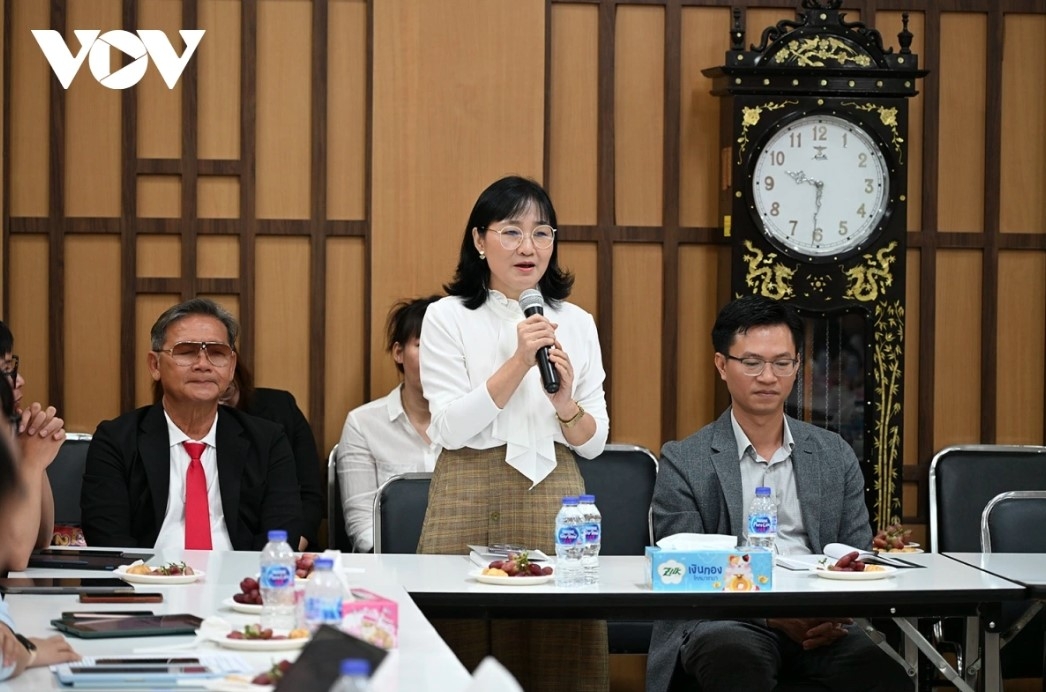
According to Prof. Do Thuy Ha, a lecturer at Chulalongkorn University, expanding mechanisms for OVs to contribute policy input not only strengthens community ties with the homeland but also brings diverse perspectives and international standards into policymaking. She emphasized the role of OVs as a bridge and a source of “soft power” that should be better leveraged to enhance Vietnam’s national standing.
The experience in Thailand shows the broader direction highlighted by Prime Minister Pham Minh Chinh at the national conference marking 20 years of the implementation of Resolution 36, which underscores the goal of building a sustainable overseas Vietnamese community that grows in both scale and quality and serves as an important resource for national development. Contributions by OVs in Thailand, from young intellectuals to businesspeople, provide concrete evidence of this spirit of standing alongside the homeland.
From around 2.7 million people living in nearly 90 countries and territories in 2004, the overseas Vietnamese community has grown to nearly 6.5 million across more than 130 countries today. About 80% reside in developed nations, where their role and standing are increasingly recognized both locally and at international forums.

Hanoi hosts training for overseas Vietnamese language teachers
A training course for overseas Vietnamese language teachers opened in Hanoi on August 14, attracting 80 teachers who returned from 15 countries and territories.