Overseas Vietnamese in Australia voice expectations ahead of Party Congress

VOV.VN - Overseas Vietnamese in Australia have expressed strong interest in the upcoming 14th National Congress of the Communist Party of Vietnam at home, voicing expectations that the event will deliver policy breakthroughs to strengthen the country’s competitiveness in a changing global environment.
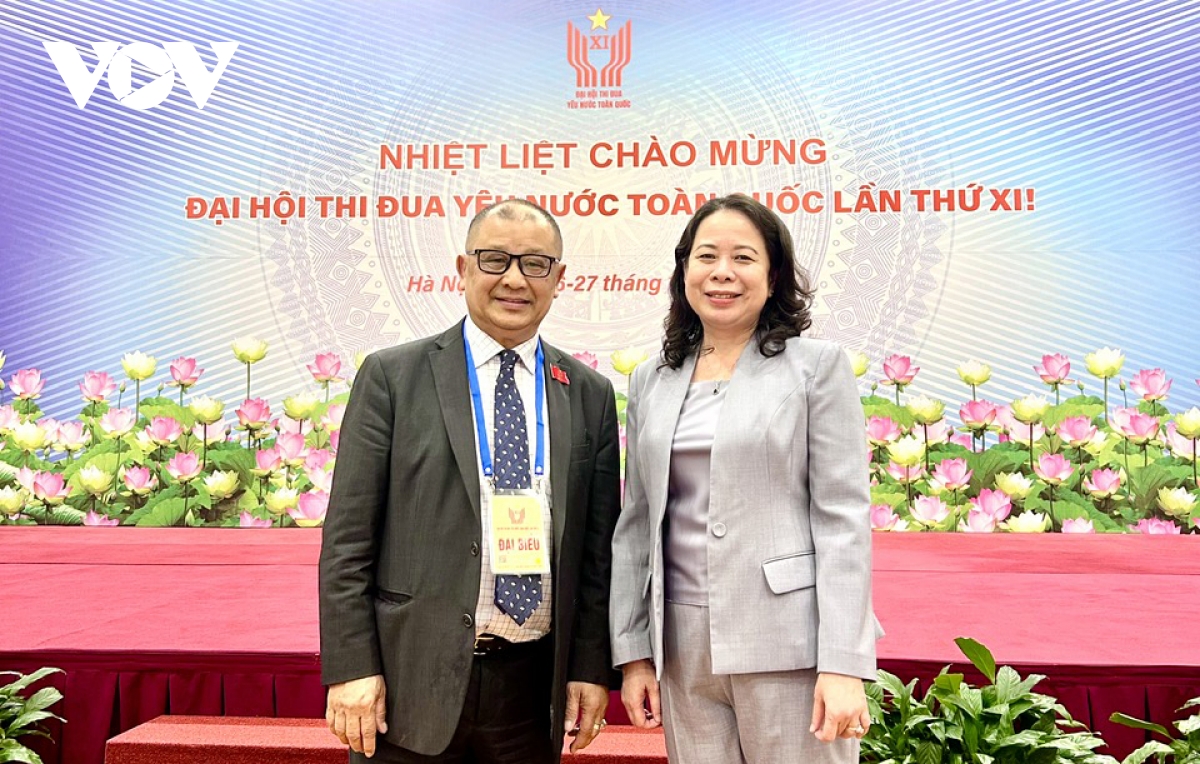
With less than two weeks to go before the congress, overseas Vietnamese in Australia say recent improvements in Vietnam–Australia relations have helped deepen their engagement with the homeland through visits, business cooperation and professional collaboration. Many hold that these interactions have given them first-hand insight into Vietnam’s rapid and positive socio-economic transformation in recent years, which they attribute in large part to the Party’s leadership.
Tran Ba Phuc, a member of the Vietnam Fatherland Front Central Committee and president of the Vietnamese Business Association in Australia, said the Party has played a decisive role in maintaining political and social stability over the past five years, despite global disruptions such as geopolitical tensions and economic slowdown.
He pointed to Vietnam’s response to the COVID-19 pandemic and subsequent economic recovery as key examples, noting progress in restoring production and business activity, controlling inflation, improving the investment climate and expanding international integration. Efforts to strengthen Party discipline and intensify anti-corruption measures have also helped reinforce public trust, including among overseas Vietnamese, he said.
From an academic and policy cooperation perspective, Duong Thi Hong Lien, an associate professor at Curtin University and vice president of the Vietnam–Australia Scholars and Experts Association, said Vietnam has increasingly recognised overseas Vietnamese as a strategic resource for knowledge transfer and international connectivity.
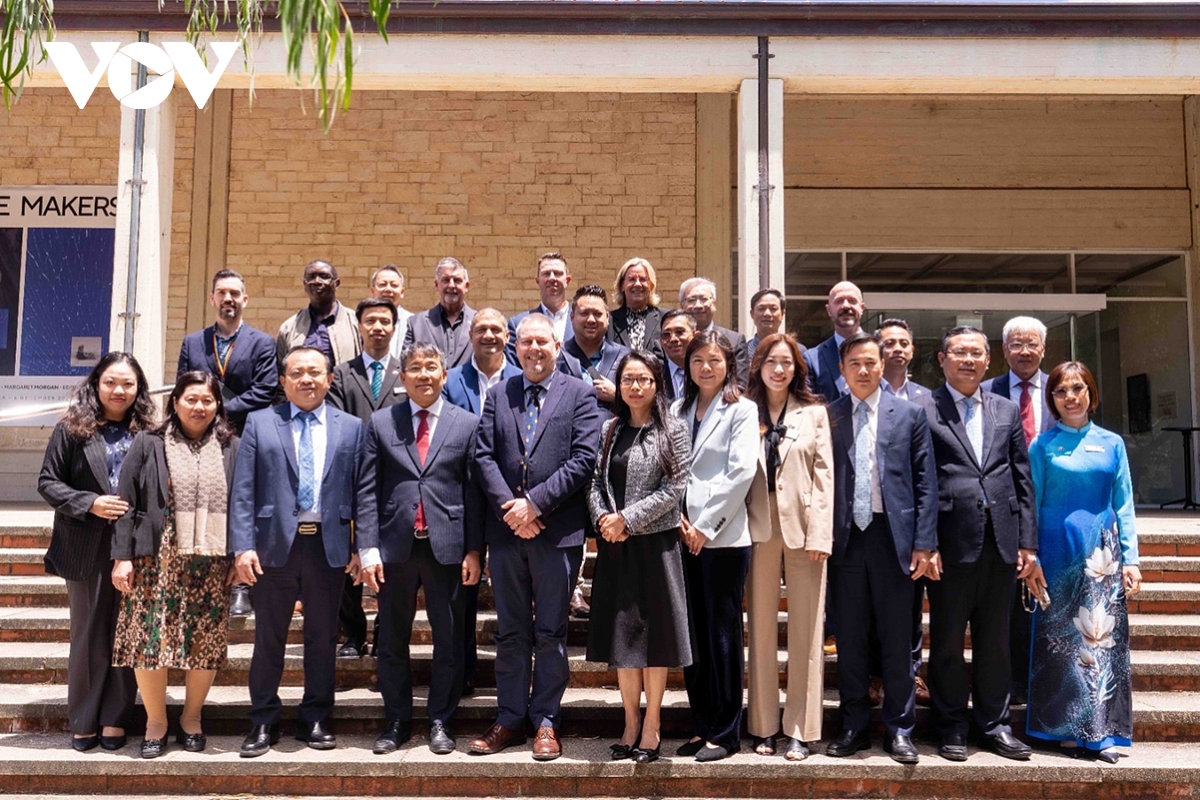
Lien, who has worked with Vietnamese partners on projects related to climate change, energy transition, sustainable development and carbon markets, said she had seen a growing willingness among Vietnamese ministries and agencies to engage in dialogue, listen to expert input and coordinate across sectors. Such an approach, she said, is particularly important in complex and rapidly evolving fields that require alignment with international standards.
She added that Vietnam’s recent focus on developing human capital through more systematic, long-term capacity building, rather than short-term training alone, has helped accelerate the transfer of knowledge and technology. These efforts, she said, are strengthening Vietnam’s policy-making and implementation capacity, enhancing competitiveness and supporting the country’s international commitments.
Vietnamese intellectuals within the Australian Vietnamese community said the Party’s emphasis on institutional reform, governance and social welfare in recent years has contributed to rising public confidence. They also noted that a series of major resolutions adopted in 2024 and 2025 on science and technology, digital transformation, international integration, private sector development and education have laid an important foundation for the next phase of growth.
Looking ahead, Phuc said he expects the 14th National Party Congress to play a pivotal role in setting new development momentum, with a stronger focus on institutional innovation and forward-looking economic thinking. He expressed hope that the congress would further clarify the role of science, technology, innovation and digital transformation as key drivers of productivity and competitiveness, while creating a more transparent and stable business environment.
He also called for more practical policies to mobilise the expertise, experience and networks of overseas Vietnamese, enabling them to contribute more effectively to Vietnam’s long-term development goals.
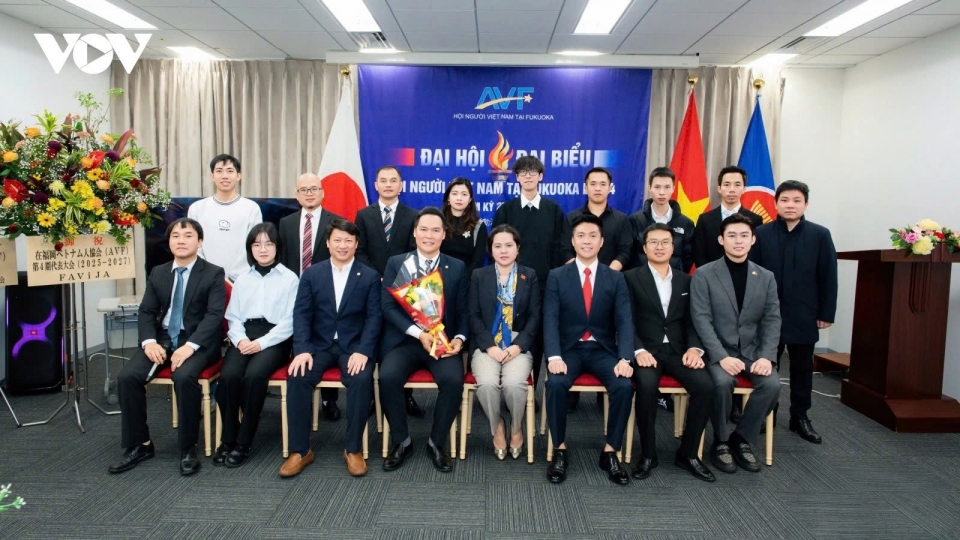
Vietnamese expatriates in Japan looks to Party congress for policy breakthroughs
VOV.VN - As Vietnam prepares for the 14th National Party Congress, the Vietnamese community in Japan has intensified its engagement through policy contributions, professional exchanges and community activities, reflecting strong expectations that the congress will usher in a new phase of national development.