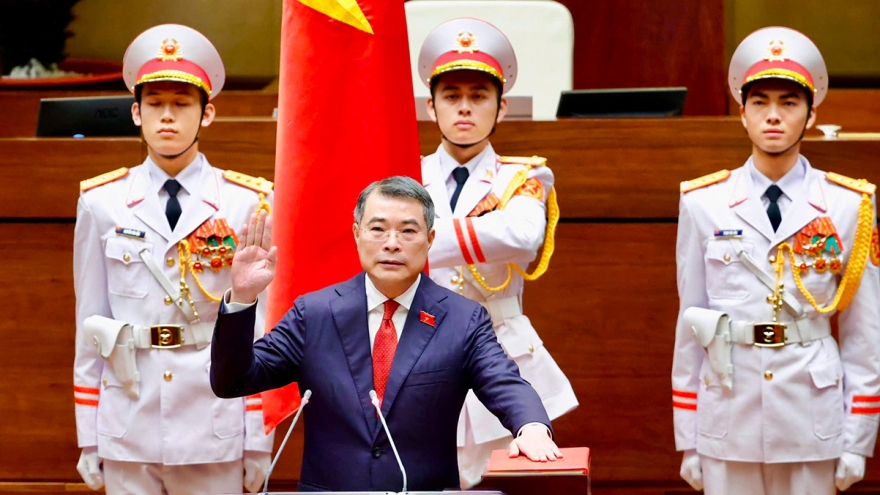
New PM unveils measures to boost economic growth amid global volatility

VOV.VN - Newly elected Prime Minister Le Minh Hung has unveiled a set of measures aimed at sustaining macroeconomic stability, accelerating public investment, optimising resource use, and removing bottlenecks in stalled projects to support Vietnam’s long-term growth in a volatile global environment.
Stable fundamentals despite external pressures
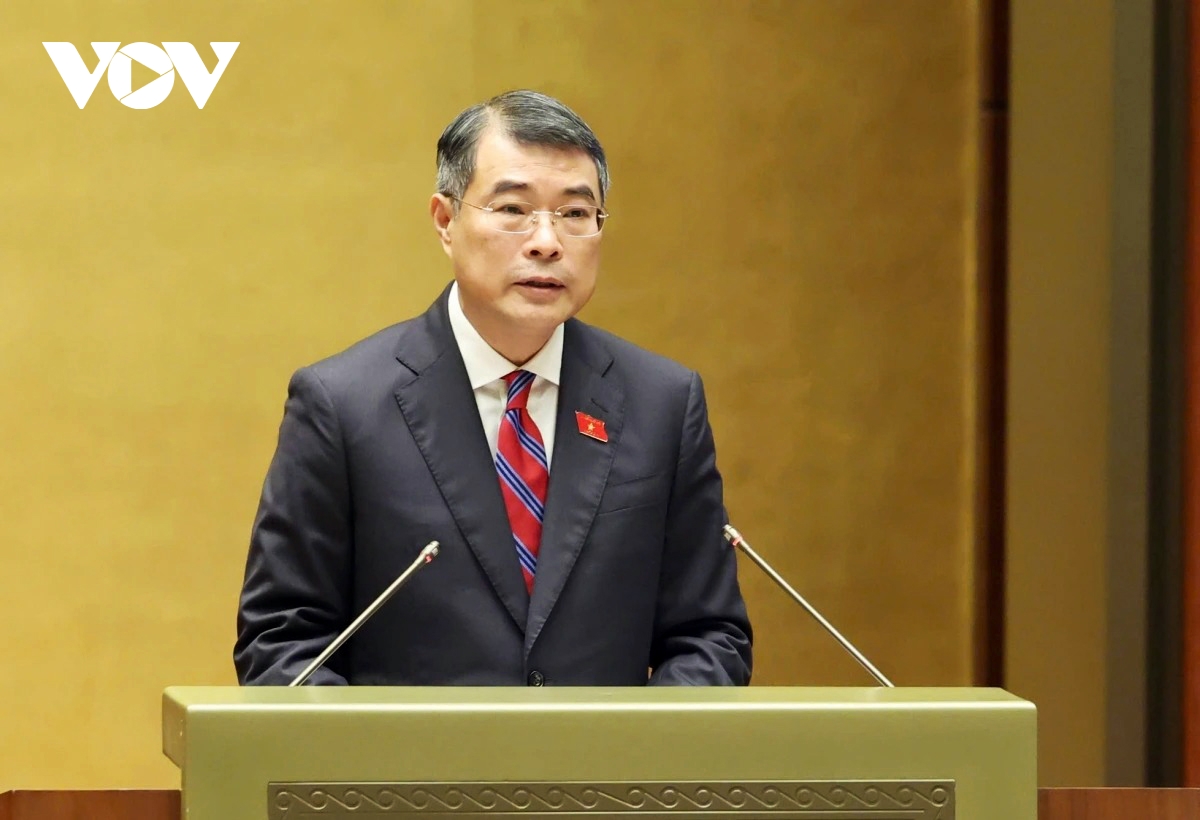
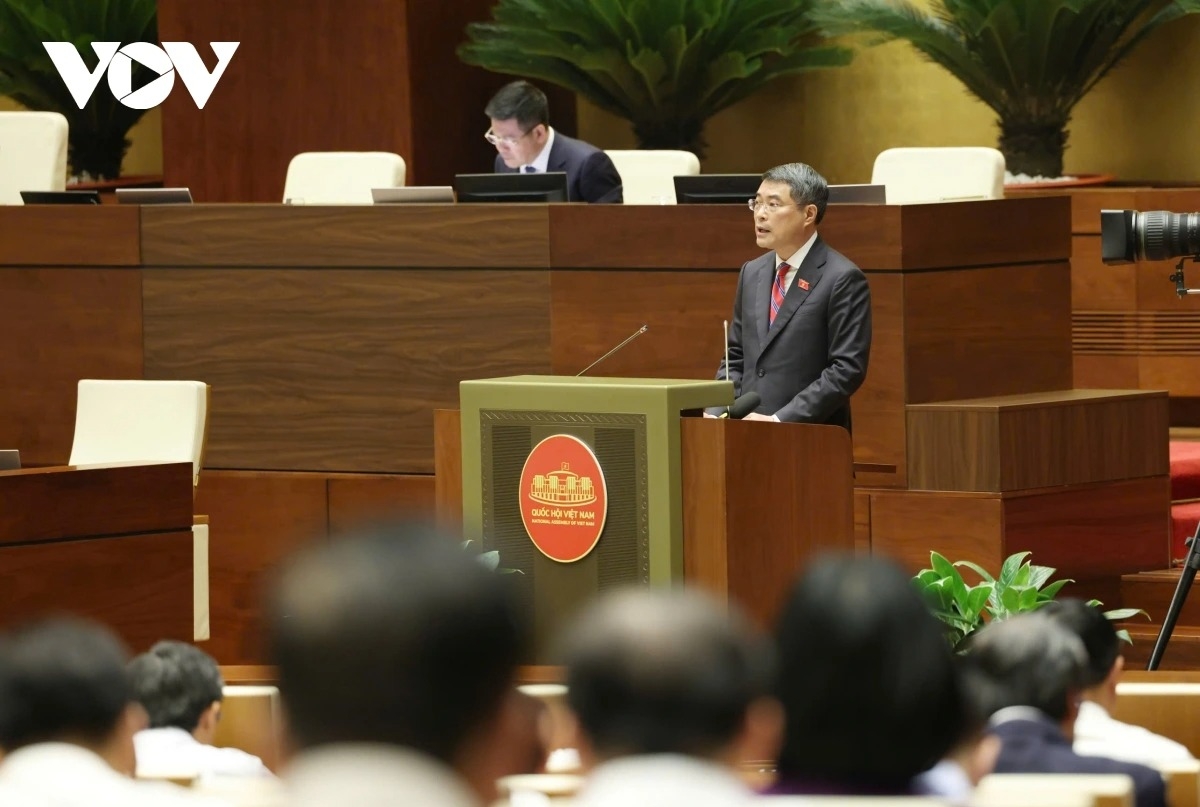
Presenting a report on socio-economic performance in early 2026 at the first session of the 16th National Assembly in Hanoi on April 9, the Prime Minister noted that global conditions remain complex and unpredictable, with rising costs in energy and transportation weighing on trade, foreign investment, and domestic economic goals.
Achieving double-digit growth, he observed, will be challenging. Several production and business sectors continue to face difficulties, traditional growth drivers have yet to reach their full potential, exports remain heavily dependent on the FDI sector, and emerging drivers such as innovation and technology are still developing.
Despite these challenges, macroeconomic fundamentals are stable, with inflation controlled and the consumer price index averaging 3.51%. GDP growth in Q1 2026 expanded by 7.83%, with four localities achieving over 10% growth.
Coordinated policies and disciplined resource use
The Prime Minister emphasised the Government’s vision and decisive action in the new term. Accordingly, the Government considers the task of aligning mindset, awareness, ambition, and action as a core, continuous priority.
“We must select the right initiatives, implement them swiftly, complete them thoroughly, measure results, and hold accountable for outcomes,” he said, citing Party General Secretary and President To Lam at the recent second Party Central Committee plenum “We will not accept low growth. We must persist in achieving high, sustainable, and substantial economic growth.”
The Prime Minister held that growth-oriented measures will be closely aligned with maintaining macroeconomic stability. Authorities will enhance monitoring of global and domestic developments, improve forecasting, and respond with flexible and timely policies. Fiscal, monetary, and other macroeconomic tools will be coordinated consistently to safeguard stability and prevent economic disruptions.
Strengthening financial discipline is also a key focus. The Government aims to increase state budget revenues by 10%, reduce recurrent expenditures by over 10%, and target an additional 5% cut to create fiscal space for development and contingencies. Ministries and localities are encouraged to curb non-essential spending, including administrative costs and overseas trips.
By April 2026, growth targets across sectors will be reviewed and assigned to localities, state-owned enterprises, and corporations for both 2026 and the 2026–2030 period.
Unlocking new growth drivers and strategic sectors
According to the Prime Minister, removing obstacles to long-delayed projects, particularly in land and energy, has been identified as an urgent priority. Authorities are tasked with accelerating the resolution of these issues and restarting projects that involve significant land and capital resources.
Public investment will play a catalytic role, with development spending expected to account for 40% of total state expenditure. At the same time, the number of publicly funded projects in the 2026–2030 period will be reduced by at least 30% compared to the previous phase, allowing greater focus on strategic priorities.
Looking ahead, the Government leader noted that Vietnam aims to strengthen new growth drivers, including science and technology, innovation, and digital transformation, alongside administrative reforms, improvements in the investment climate, and modern infrastructure development.
Energy security remains a central priority. The Government will ensure stable supplies of oil and gas, optimise electricity use, and prevent power shortages. Implementation of the adjusted Power Development Plan VIII will be accelerated, supported by policies to attract investment in key energy projects such as offshore wind and LNG.
In addition, plans are underway to develop a national energy reserve strategy and infrastructure to support emerging industries, including nuclear energy, aerospace, low-orbit technologies, and quantum sectors.
He underlined that effective implementation is critical to turning policies into tangible results, urging leaders at all levels to lead by example and ensure practical, results-oriented execution. He also called for stronger coordination, closer monitoring, and greater accountability, while fostering favourable conditions for businesses and citizens to contribute to national goals.
New PM pushes for reforms, targets stalled projects at first key meeting
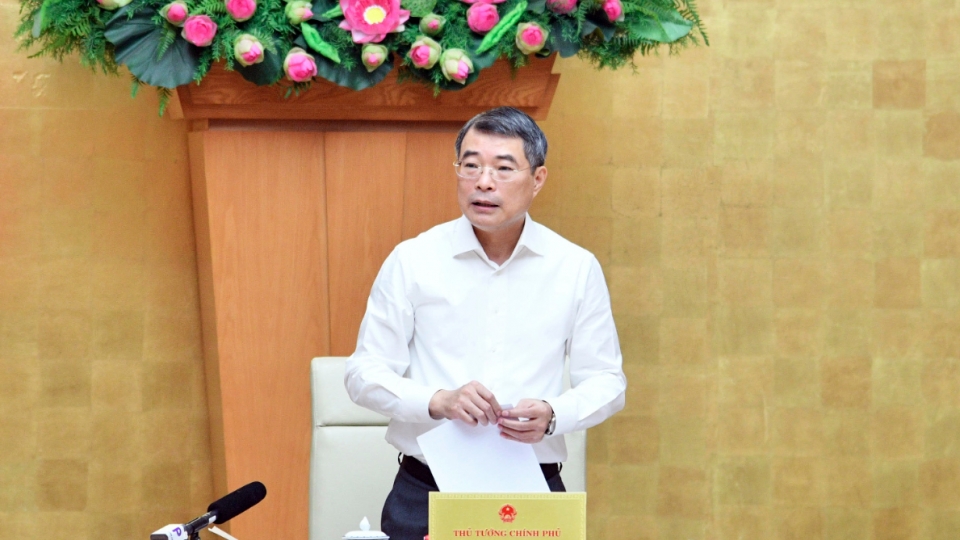
VOV.VN - Newly elected Prime Minister Le Minh Hung has outlined key governance priorities, including accelerating reforms, resolving stalled projects and advancing digital transformation, during his first meeting with the Government’s standing board and its Party Committee.