National Assembly pushes digital transformation to improve governance

VOV.VN - The National Assembly of Vietnam is accelerating digital transformation and artificial intelligence adoption in an effort to modernise legislative operations, improve governance quality and address institutional bottlenecks in Vietnam, according to National Assembly Chairman Tran Thanh Man.

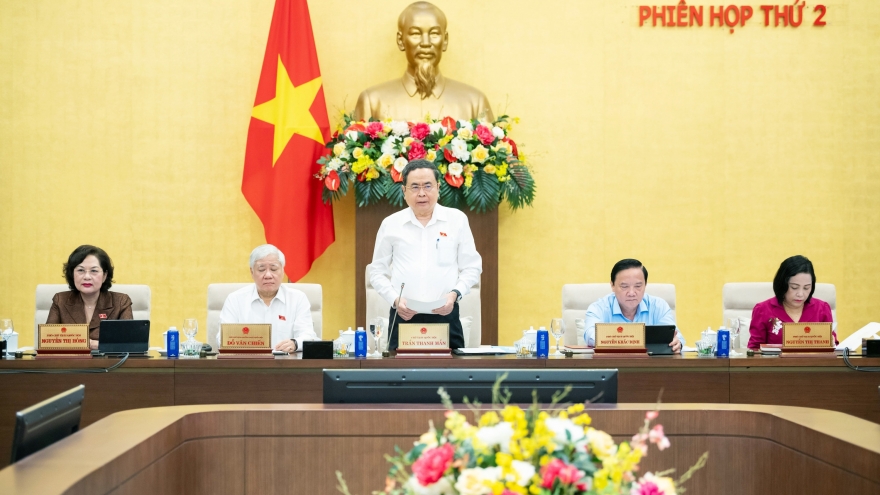
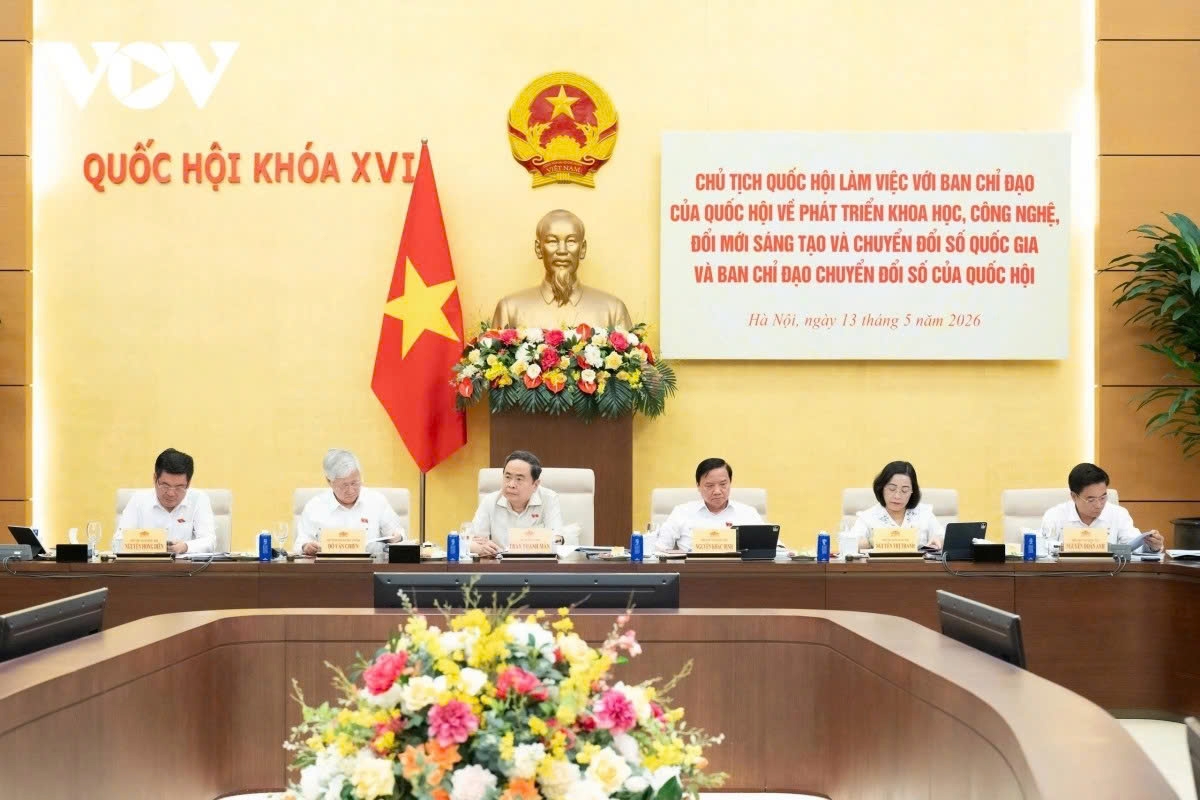
Addressing a working session with the National Assembly’s steering committee on science, technology, innovation and digital transformation in Hanoi on May 13, Chairman Man stressed effective digital transformation and AI implementation could significantly improve policy advisory work, operational efficiency and institutional reform.
Digital transformation should go beyond building software systems and technology platforms and instead create meaningful changes in how legislative agencies operate on a daily basis, he said.
Digital transformation cannot remain only a slogan. It must become part of everyday work and deliver concrete results, he added.
In recent years, the National Assembly has gradually promoted development of an “e-parliament” model while expanding the use of digital technologies and AI applications across legislative bodies.
Before the Politburo issued Resolution 57 on science, technology and digital transformation, the National Assembly had already established a steering committee for the e-parliament project and organised multiple thematic meetings on digital modernisation.
The legislature has also cooperated with Vietnam’s military-run industry and telecom giant Viettel to develop digital infrastructure supporting the transition toward a digital parliament model.
In addition, the National Assembly invited Vietnamese technology experts based in Singapore to participate in developing AI applications designed to support advisory work and operational management.
One of the National Assembly’s major initiatives in 2025 has been the “Digital Literacy for All” campaign aimed at improving digital skills among public officials and civil servants.
According to the top legislator, the initiative has already produced positive early results and received recognition from Party General Secretary and President To Lam.
However, he acknowledged that several challenges continue to slow the digital transformation process. He said some technology projects remain behind schedule, while paper-based and digital workflows still operate simultaneously across multiple agencies. Data systems is also fragmented and insufficiently interconnected, and administrative procedures for technology investment and IT service procurement continue to face delays.
The National Assembly leader instructed relevant agencies to review implementation progress under Resolution 57, clarify the causes of bottlenecks and put forward solutions to address them.
During the meeting, delegates reviewed progress in implementing Resolution 57 as well as digital transformation plans under the Party Committee of the National Assembly and the National Assembly Standing Committee. They also discussed the legislature’s role in pioneering the use of digital technologies and AI in parliamentary activities.

Estonia and Vietnam boost digital transformation, innovation cooperation
VOV.VN - Vietnam and Estonia are moving to strengthen cooperation in digital transformation, innovation, and high-tech sectors, leveraging complementary strengths to advance bilateral ties in a more substantive and future-oriented direction.