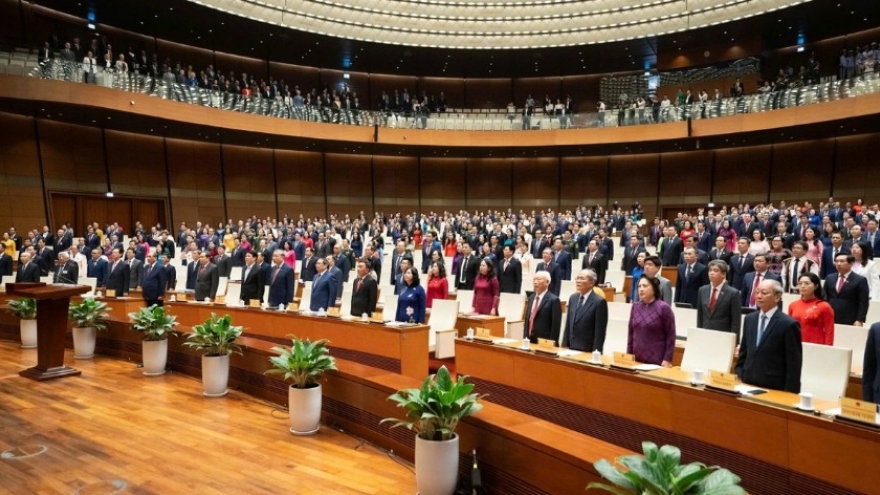
Government prioritises institutional reform to unlock growth, says PM

VOV.VN - Prime Minister Le Minh Hung has requested sweeping institutional reform as a key driver for Vietnam’s next phase of economic growth, stressing that the legal system must become a strategic breakthrough rather than a bottleneck for development.
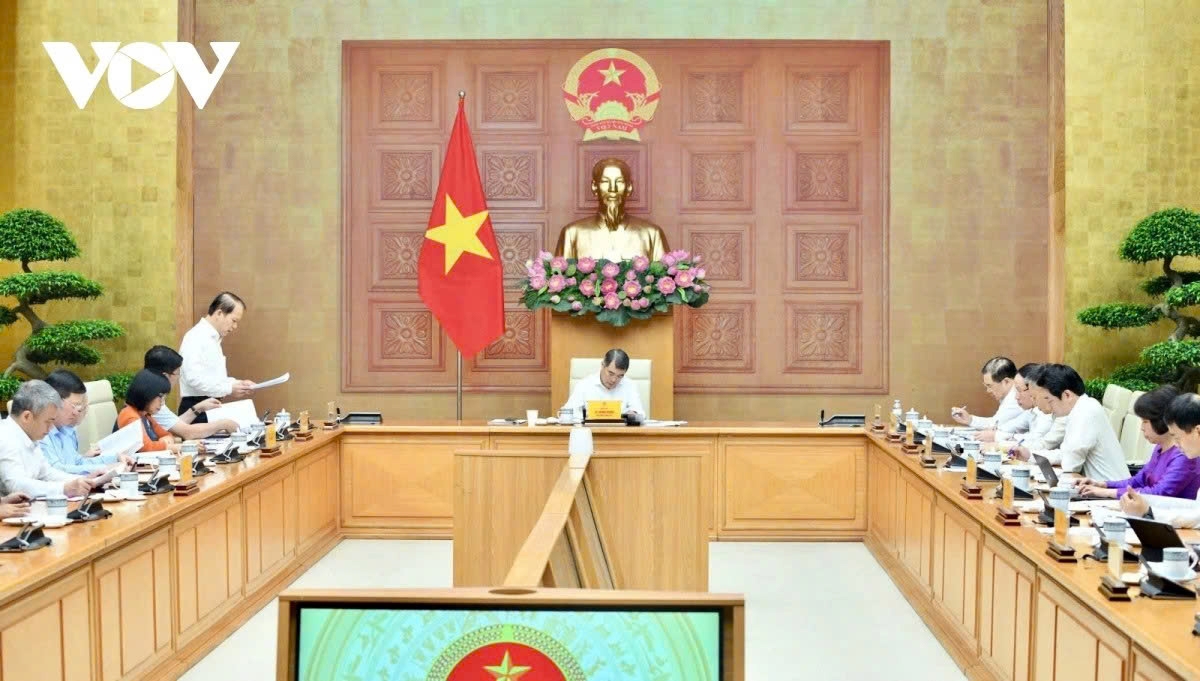
The message was delivered during the Prime Minister’s working session with the Ministry of Justice on May 11, where discussions focused not only on improving legislation and administrative procedures but also on broader structural reforms aimed at supporting long-term economic transformation.
With Vietnam targeting double-digit economic growth in 2026 and the coming years, the Prime Minister said the country needs a modern, synchronised legal framework capable of promoting innovation, unlocking resources and creating a competitive business environment aligned with international standards.
According to the government leader, the current priority is no longer limited to amending individual regulations but instead building a comprehensive institutional system that can support a new development model.
A notable point repeatedly emphasised by the Prime Minister was the role of the Ministry of Justice as the Government’s “legal gatekeeper”.
The ministry was tasked not only with reviewing legal documents but also with taking on a more strategic role in institutional reform, policy quality control and the removal of legal bottlenecks affecting investment and business activities.
The reform agenda also includes a major shift in governance philosophy, moving from a “pre-inspection” model toward stronger “post-inspection” mechanisms.
The approach is expected to reduce administrative barriers, minimise licensing procedures and curb the so-called “ask-give” mechanism, while granting businesses greater autonomy in their operations, he said.
Under the proposed model, the State would ease pre-approval requirements while strengthening supervision and inspection after operations begin.
Alongside traditional institutional reforms, the Government is also accelerating digital transformation in the legal and public administration sectors.
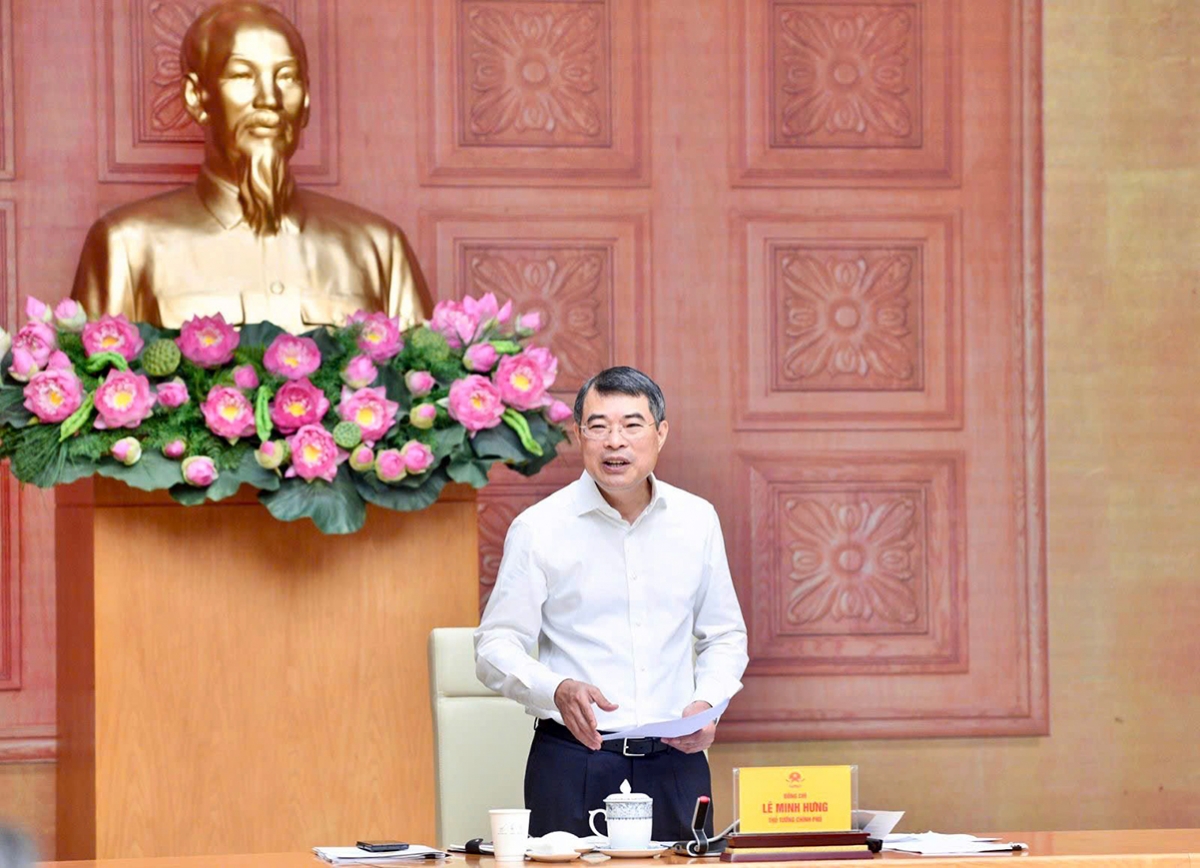
The Prime Minister instructed relevant agencies to complete a large-scale legal database, apply artificial intelligence in reviewing legal documents and standardise national data systems to ensure they are “accurate, sufficient, clean, live, connected, shareable and reusable”.
The move signals the Government’s intention to build a more modern governance model in which data, technology and institutional quality serve as key foundations for long-term growth.
Despite acknowledging achievements made by the Ministry of Justice in recent years, the Prime Minister also pointed to several shortcomings, including delays in issuing implementation guidelines, uneven coordination among ministries and agencies, limited technological application and risks of vested interests emerging during policy-making processes.
The Government leader also requested the completion of a strategy project on improving Vietnam’s legal system through 2045, alongside research into a more centralised and professional model for drafting legal documents.
The Prime Minister’s working session with the Ministry of Justice reflected a broader governance direction for the new period that institutional reform is used as a central driver for economic growth, competitiveness and national modernisation.
Party chief calls for stronger discipline, institutional reform, development breakthrough
VOV.VN - Party General Secretary To Lam urged decisive implementation of key Party resolutions at a national conference in Hanoi on April 13, emphasising stronger discipline, institutional reform, resource mobilisation, improved spatial planning, and more effective governance to drive Vietnam’s next growth phase.