Lawmaker highlights Constitutional basis for ethnic representation in elected bodies

VOV.VN - Ensuring representation of different regions and ethnic groups in elected bodies is not merely a procedural requirement in Vietnam’s elections, but a constitutional principle reflecting the country’s commitment to equality and national unity, said a senior lawmaker.
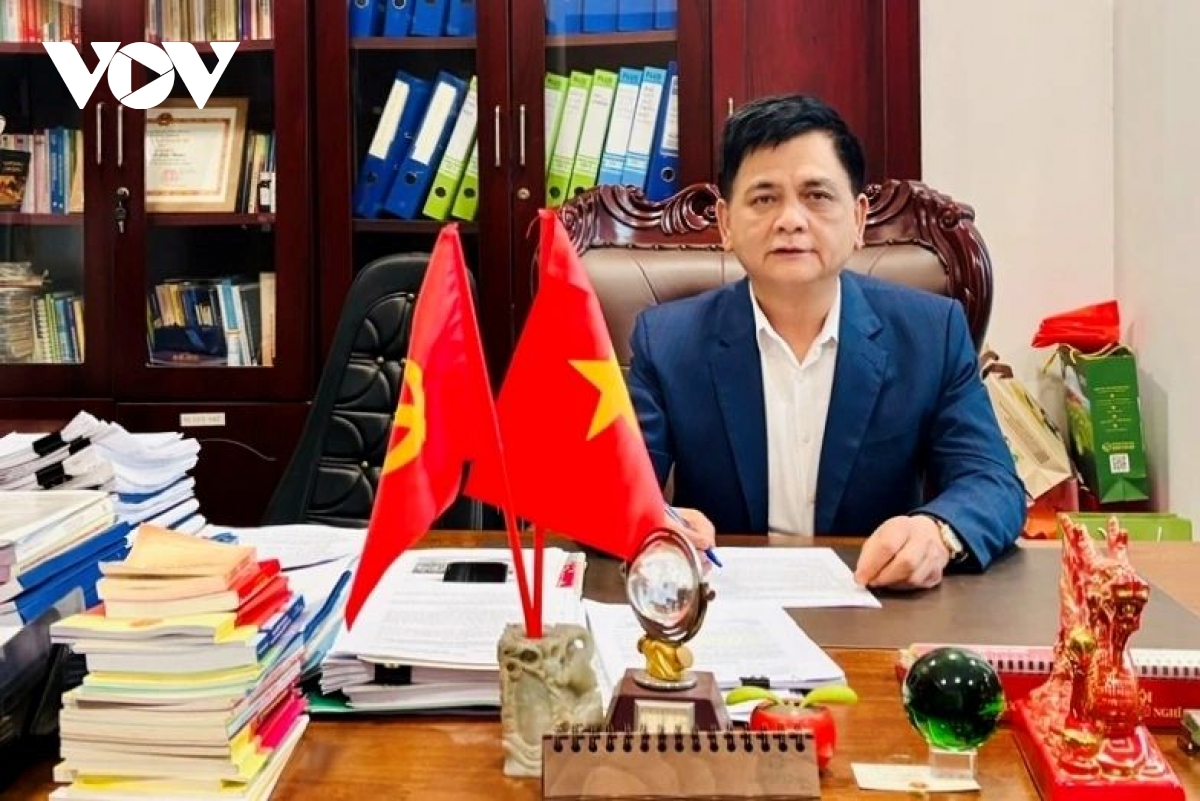
According to Nguyen Lam Thanh, Vice Chairman of the National Assembly’s Ethnic Council, the 2013 Constitution clearly affirms that all ethnic groups are equal, united and support one another for common development. Political equality, he noted, includes the right to participate in elections and to be represented within the political system, particularly in the National Assembly and People’s Councils at all levels.
For that reason, guaranteeing appropriate regional and ethnic representation in elected bodies is considered a mandatory requirement rather than an optional or encouraging mechanism. Without such safeguards, representation of ethnic minorities and disadvantaged regions could become limited or symbolic, failing to reflect the nature of Vietnam as a multi-ethnic nation-state.
Thanh emphasised that the presence of representatives from mountainous, remote and ethnic minority areas plays a critical role in policymaking and oversight. Representatives who deeply understand local socio-economic conditions, cultural contexts and community aspirations help ensure that legislation and supervision activities closely align with realities on the ground. Their participation also enhances the communication and implementation of state policies, as policies conveyed through trusted local representatives tend to resonate more effectively with communities.
In the context of rising expectations for the quality of elected officials and Vietnam’s broader development goals, ensuring representation must go hand in hand with improving the quality of deputies. However, quality standards, he stressed, should be assessed in line with the specific characteristics and development levels of each region. Candidates from disadvantaged areas may not necessarily possess highly specialized expertise in emerging economic sectors, but their deep local knowledge, practical experience and community credibility are equally valuable.
The key principle, he said, is to select the most capable and reputable individuals from each ethnic group and region - those with intellectual capacity, integrity, dedication and a strong sense of responsibility.
The 15th National Assembly recorded 89 ethnic minority deputies, accounting for 17.78% of the total membership - the highest proportion to date. Looking ahead to the 16th National Assembly and the 2026–2031 tenure of People’s Councils, Thanh expressed hope that both the proportion and quality of ethnic and regional representation would be maintained or further enhanced.
Such efforts, he noted, would contribute not only to safeguarding the legitimate rights and interests of ethnic minority communities and disadvantaged regions, but also to advancing inclusive development and national solidarity in Vietnam’s next stage of growth.
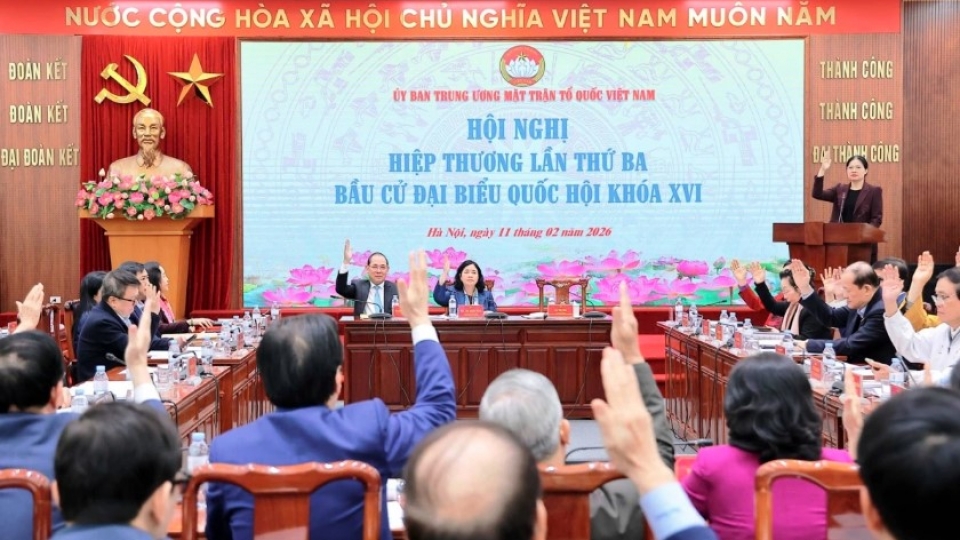
Consultative conference finalises list of 217 nominees for NA election
VOV.VN - All delegates attending the third consultative conference have agreed on a list of 217 nominees from central agencies and organisations who meet the requirements to stand for election to the 16th National Assembly.