Government backs fuel stabilisation fund to secure domestic energy supply

VOV.VN - Prime Minister Pham Minh Chinh has approved in principle the use of the state budget to support the country’s fuel price stabilisation fund, amid concerns over potential shortfalls as global energy markets remain volatile.
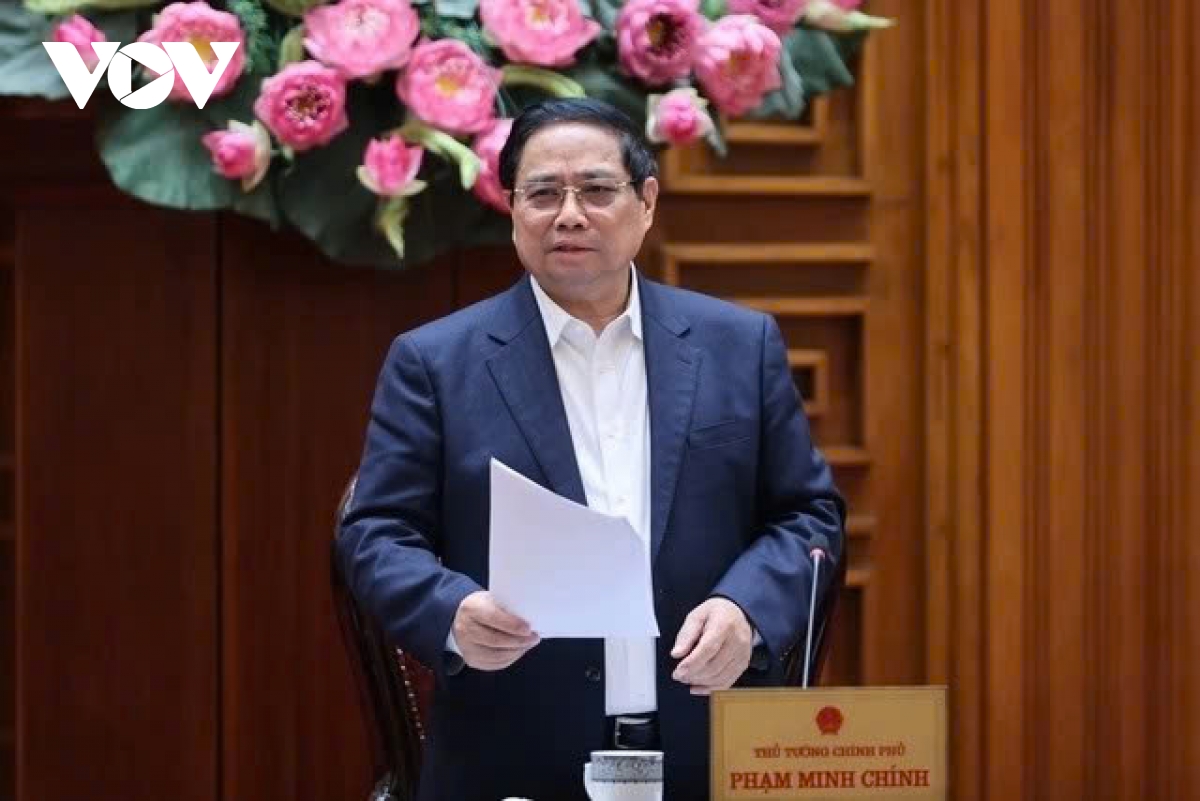
The decision was announced at a government meeting in Hanoi on March 20, which partly focused on funding sources for the fuel price stabilisation fund. The Prime Minister stressed that the top priority is to prevent energy shortages, avoid disruptions to supply chains and business activities, and minimise negative impacts on macroeconomic stability.
According to reports presented at the meeting, the Government has implemented a range of coordinated measures in response to complex developments in the Middle East and global oil markets. These include the use of the stabilisation fund, tax adjustments, and directives requiring enterprises to boost production and ensure adequate fuel supply.
The Prime Minister has held phone talks, sent official letters to leaders of several countries, and worked with foreign ambassadors in Vietnam to seek support in ensuring the country’s energy security.
At the same time, efforts have been stepped up to promote energy transition, improve energy efficiency and strengthen inspections to combat hoarding, smuggling and other market violations.
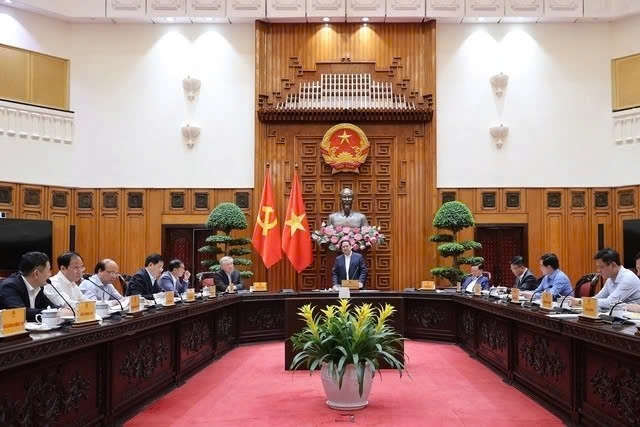
Given the possibility of a prolonged energy crisis, the Prime Minister emphasised the need for proactive response measures, including preparing financial resources to support the stabilisation fund when necessary. On this basis, he agreed to advance state budget funds, sourced from increased revenues in 2025, to the fund. The fund will reimburse the budget once market conditions stabilise.
The Ministry of Finance has been tasked with leading coordination with the Government Office and the Ministry of Industry and Trade to finalise a draft proposal for submission to competent authorities. The policy is expected to be implemented until April 15 and may be extended depending on market developments.
In terms of policy management, the Prime Minister called for close monitoring of market conditions, timely responses and data-driven decision-making with appropriate roadmaps, in order to avoid sudden shocks to the economy. He also emphasised that price stabilisation efforts must go hand in hand with market supervision and measures to prevent cross-border smuggling.
New directive targets energy savings and cleaner transport in Vietnam
VOV.VN - Prime Minister Pham Minh Chinh on March 19 signed a directive to strengthen energy efficiency, promote the energy transition and accelerate the development of electric transport in Vietnam.