New directive targets energy savings and cleaner transport in Vietnam

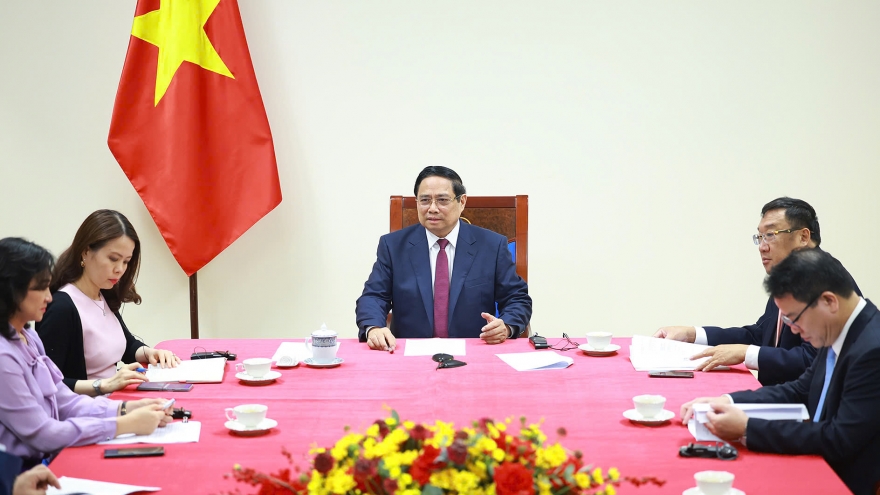
VOV.VN - Prime Minister Pham Minh Chinh on March 19 signed a directive to strengthen energy efficiency, promote the energy transition and accelerate the development of electric transport in Vietnam.
The directive was issued against a backdrop of increasingly complex global political, economic and energy security developments, particularly in major energy-producing and transit regions, where supply disruptions and price volatility have directly affected many countries, including Vietnam.
The Government identifies efficient energy use as a key solution to reduce supply risks, lower production costs, enhance economic competitiveness and ensure sustainable development. By 2030, Vietnam aims to reduce energy consumption per unit of GDP by 1 to 1.5% annually, achieve annual electricity savings of at least 3% among major energy users, and bring power losses down to 5.8%.
All major energy-consuming facilities are required to conduct energy audits and implement energy management systems, while at least half of urban public transport vehicles are expected to transition to electric power.
The Ministry of Industry and Trade has been assigned to oversee implementation, while ministries, sectors and local authorities are required to carry out coordinated measures.
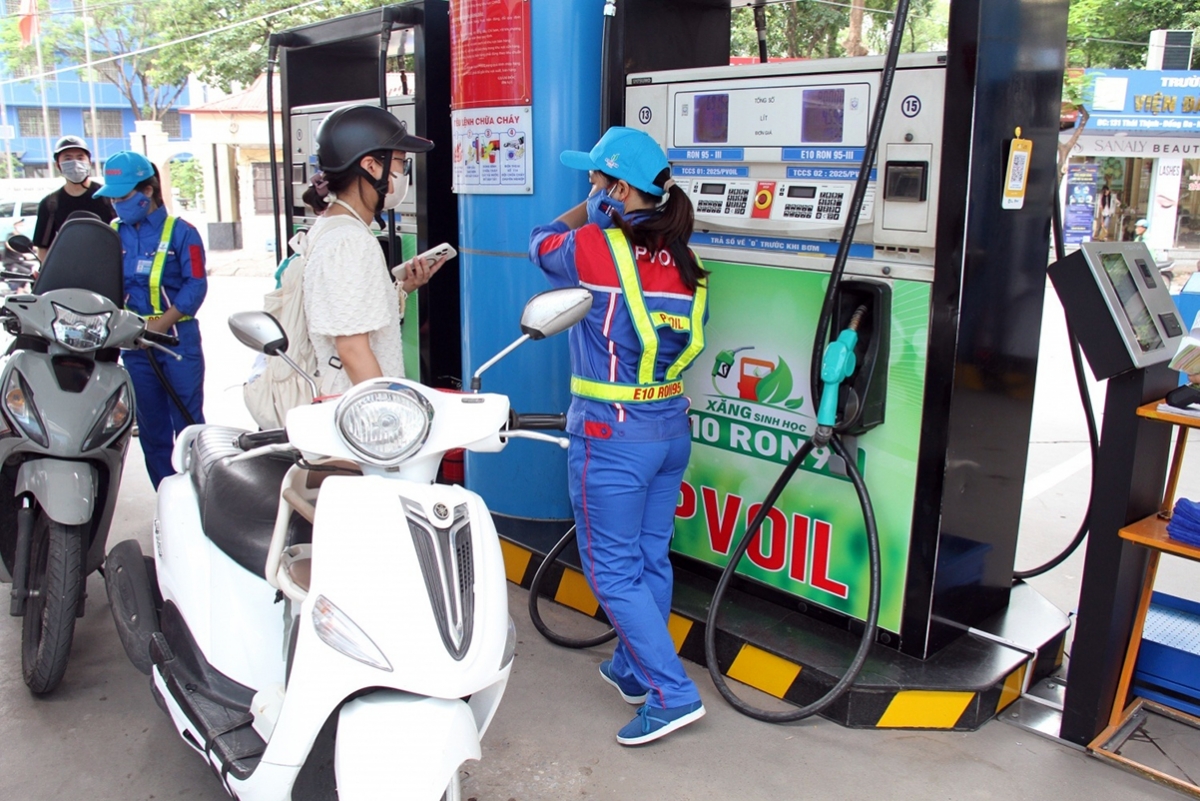
The directive stresses the need to integrate energy efficiency targets into development strategies and planning, promote electric mobility, expand charging infrastructure and encourage the use of biofuels such as E10. It also emphasises investment in technological innovation, production optimization, energy recovery and reuse, as well as the application of digital technologies in energy management.
Efforts will be intensified in energy-intensive industries such as steel, cement, chemicals, textiles and food processing. At the same time, the directive promotes the development of energy-efficient buildings, green urban areas, public transport systems and non-motorized transport to reduce dependence on fossil fuels.
In parallel, the Government encourages the expansion of renewable energy sources, including wind power and rooftop solar for self-consumption, alongside the deployment of battery energy storage systems. Research and pilot initiatives on low-emission fuels such as hydrogen and ammonia will also be advanced, while the development of energy service companies is expected to help mobilise private investment.
The directive is aimed at ensuring stable energy supply under all circumstances, reducing reliance on imported fuels, improving energy efficiency across the economy and contributing to Vietnam’s long-term sustainable development goals.
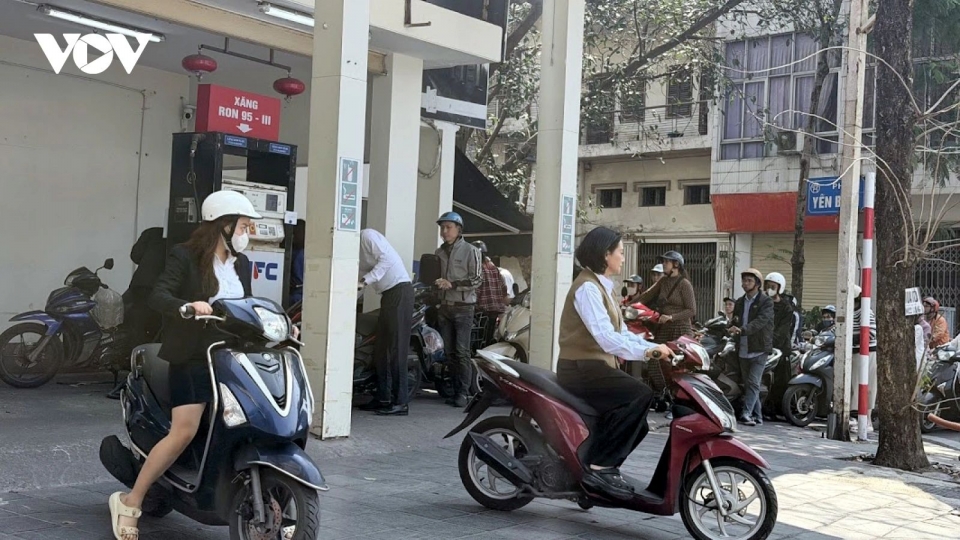
Domestic fuel prices surge again, RON95 exceeds VND30,000 per litre
VOV.VN - Vietnam’s retail fuel prices rose sharply again from 11:00 PM on March 19, with RON95, the most commonly used petrol, exceeding VND30,000 per litre for the first time in recent adjustments, reflecting continued upward pressure from global markets.