Culture must stand at the centre of Vietnam’s development strategy

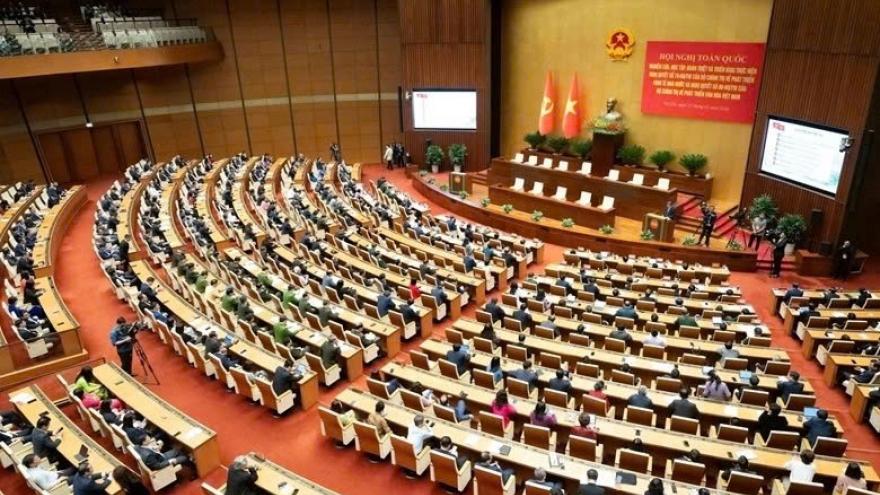
VOV.VN - In his address on a Politburo Resolution on cultural development at a national conference in Hanoi on February 25, General Secretary To Lam articulated a clear strategic repositioning of culture not as a secondary social sector, but as the human foundation of Vietnam’s long-term development model.
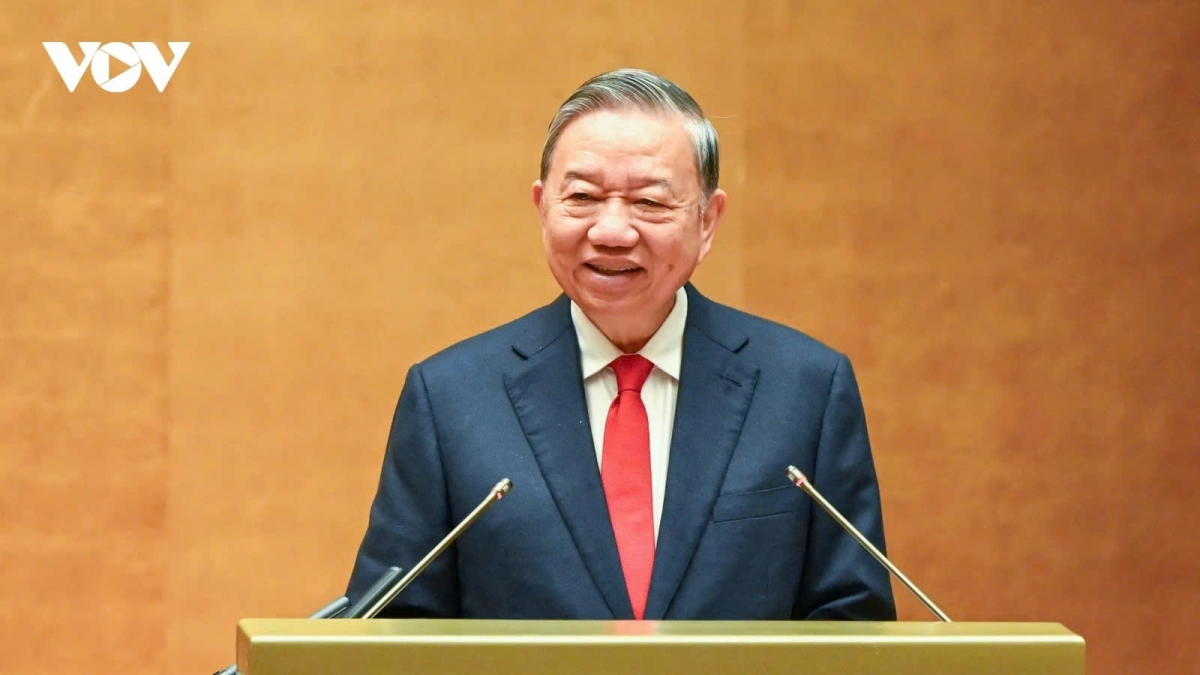
He stressed that culture must be understood as “the spiritual foundation of society” and as an endogenous strength that sustains national resilience. Economic growth alone, he implied, cannot guarantee sustainable development if it is not anchored in shared values, ethical standards and a cohesive social identity.
According to the Party leader, the most pressing challenge facing Vietnam’s cultural development today is not merely limited resources, but the risk of moral decline, erosion of core values and the spread of harmful content in the digital space. He stressed the need to “revitalise and advance culture on par with political and economic development,” warning that rapid growth without a solid value foundation may deliver short-term gains but weaken long-term sustainability.
Culture as the core of a human-centred development model
A central message of the top Party leader’s speech was that development must ultimately serve people, and must also be built by people. Culture, therefore, is not ornamental; it is formative. It shapes character, civic responsibility, public ethics and institutional integrity.
The General Secretary emphasised the need to build and consolidate the national value system, the family value system, and standards for Vietnamese people in the new era including patriotism, integrity, responsibility and creativity. These are not abstract ideals, but what he described as “foundational norms that guide individual conduct and collective behaviour.”
In this framing, culture becomes the ethical infrastructure of governance. A modern state cannot function effectively without a culture of accountability, discipline, professionalism and public service. Thus, he said, cultural development is inseparable from building a clean, strong political system.
Culture as social cohesion in a transformative era
The Party chief also addressed the challenges of rapid modernisation, digitalisation and global integration. In a time of fast information flows and shifting norms, the General Secretary warned against moral erosion, superficial lifestyles and the spread of distorted values. Cultural development, therefore, is essential to maintaining social coherence and protecting national identity.
He underscored the importance of strengthening ideological and ethical education, especially among the younger generation, while ensuring that Vietnam remains open and confident in global exchanges (“integration without losing identity”).
In this context, culture acts as a stabilising force, a societal anchor that helps the nation navigate technological disruption and international competition without fragmentation.
Linking cultural strength to national soft power
While firmly rooted in domestic development, the top Party leader’s speech also implied an outward-looking dimension. Cultural vitality enhances national reputation, strengthens trust, and contributes to Vietnam’s standing on the global stage.
Framing cultural industries and creative sectors as more than an economic growth engine, General Secretary To Lam reiterated that cultural development must receive strategic attention commensurate with political and economic priorities. The development of heritage, creative industries and cultural production, he suggested, is not solely about market expansion, but about safeguarding identity and projecting Vietnam’s values to the world.
He underscored that culture must stand at the centre of the strategy for developing the Vietnamese people in the new era, positioning cultural investment as a pillar of long-term national strength. In this view, cultural advancement reinforces social cohesion and human capital at home, while simultaneously enhancing the country’s attractiveness, credibility and soft power abroad.
Thus, cultural development is conceived as both inward-looking, consolidating discipline, trust and shared values, and outward-facing, strengthening Vietnam’s capacity to engage, inspire and build sustainable partnerships in an increasingly competitive global landscape.
From awareness to implementation
Importantly, the General Secretary noted that cultural development must be institutionalised through policy reform, resource allocation and measurable programmes. He urged ministries, localities and relevant agencies to integrate cultural objectives into socio-economic planning, improve the legal framework for cultural industries, and ensure effective coordination.
A Resolution must translate into concrete action, action into substantive results, and results into improvements that people can clearly experience in their everyday lives, said the Party chief.
He also highlighted the role of communication, media and education in fostering a healthy cultural environment, while strictly addressing violations that distort information or undermine public trust.
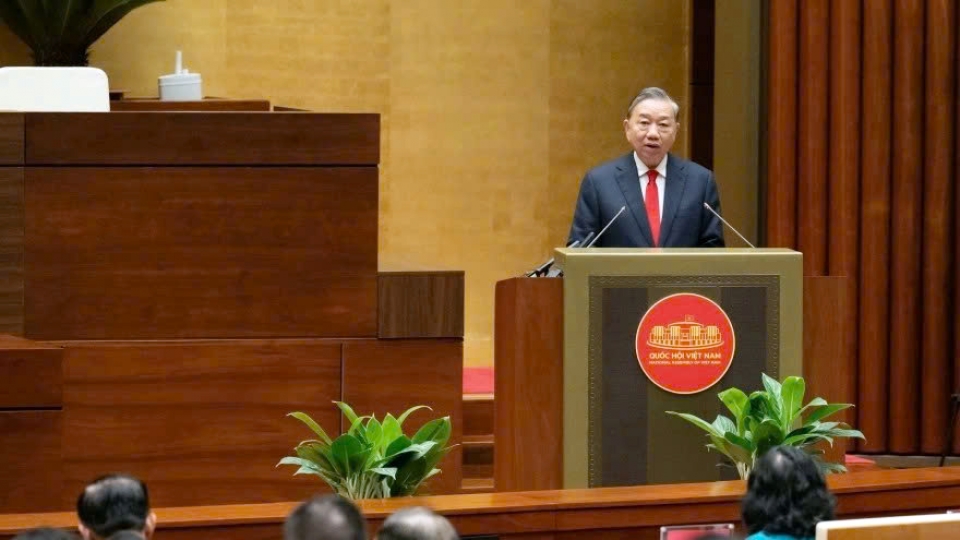
Vietnam positions state sector as pillar of national resilience, says Party leader
VOV.VN - The state sector must become not merely a dominant economic actor, but a central pillar of national resilience in the country’s new development era, said General Secretary To Lam at a national conference to implement two Politburo resolutions on the state sector and cultural development in Hanoi on February 25