Agriculture sector told to adopt green, modern production to stay competitive

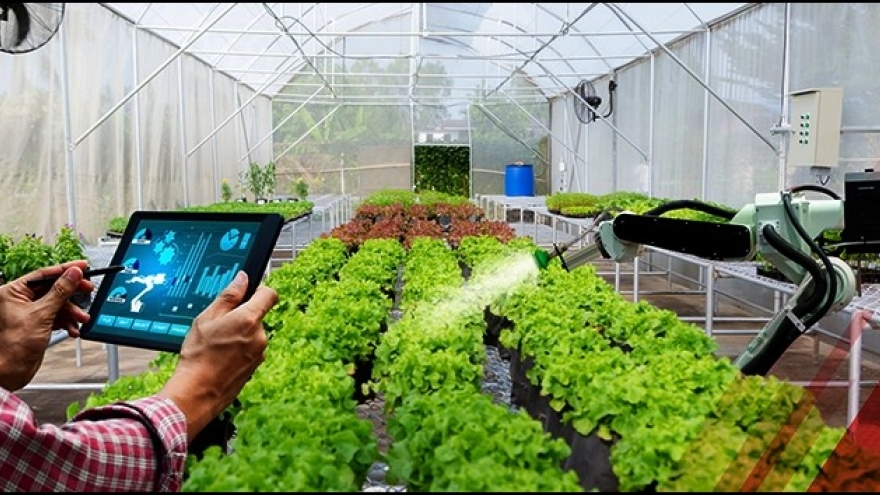
VOV.VN - Prime Minister Le Minh Hung has asked the agriculture sector to transform its production model toward modern, green and sustainable practices, describing it as a key condition to maintain competitiveness in a changing global environment.
From production mindset to agricultural economy mindset
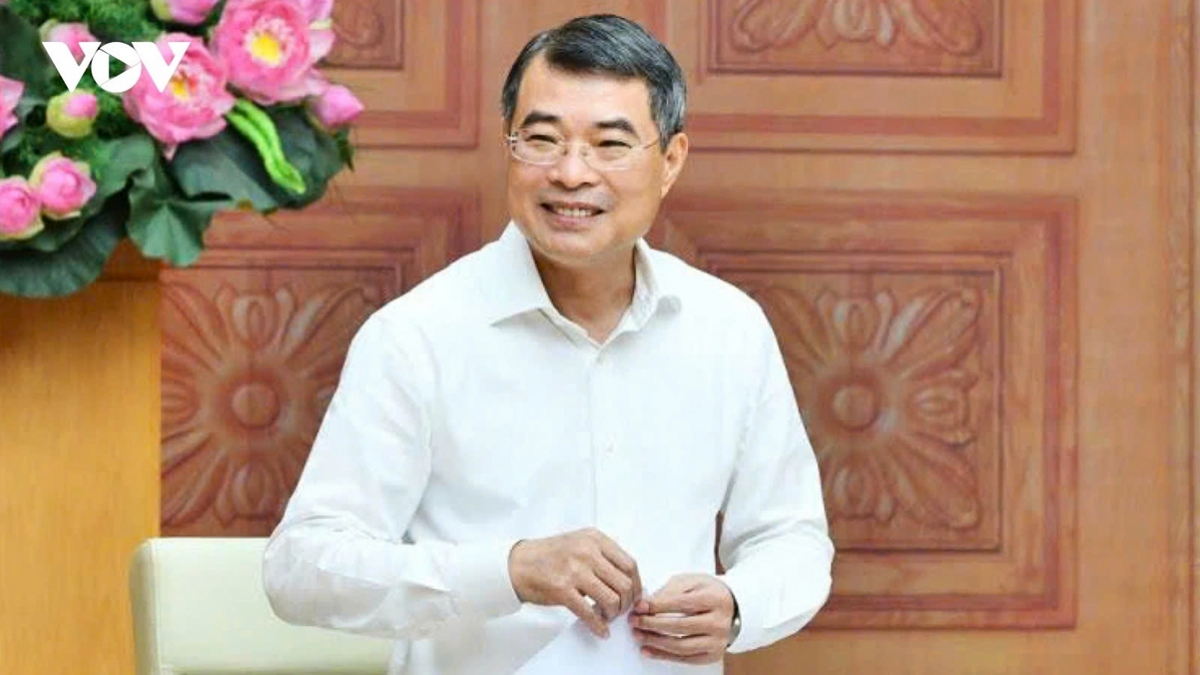
At a working session with the Ministry of Agriculture and Environment in Hanoi on April 29, the Prime Minister affirmed that agriculture remains a pillar of the national economy, ensuring food security, stabilising rural livelihoods and contributing significantly to the country’s growth objectives. However, he warned that traditional production models are increasingly exposed to structural limitations.
He pointed to the growing impact of climate change, including extreme weather events and natural disasters, which are directly affecting agricultural output and rural incomes. At the same time, stricter green standards and international trade requirements are placing rising pressure on Vietnam’s agricultural exports.
“These developments require an urgent transformation of production models. Without change, competitiveness will be eroded and negative impacts will increase,” he warned.
Prime Minister Hung then called for a shift from a production-oriented mindset to an agricultural economy one, where value, quality and sustainability become central priorities.
He stressed that the transformation must go beyond farming techniques, requiring comprehensive changes across the value chain, including science and technology application, digital transformation, processing capacity enhancement, market development, and more efficient use of land and natural resources.
Alongside structural transformation, the Prime Minister highlighted several persistent bottlenecks that need to be addressed, namely inefficient use of land and natural resources, environmental pollution in some urban areas, river basins and craft villages, and slow progress in public investment disbursement.
These constraints, he said, are limiting the sector’s potential to generate new growth space.
Institutional reform as a breakthrough solution
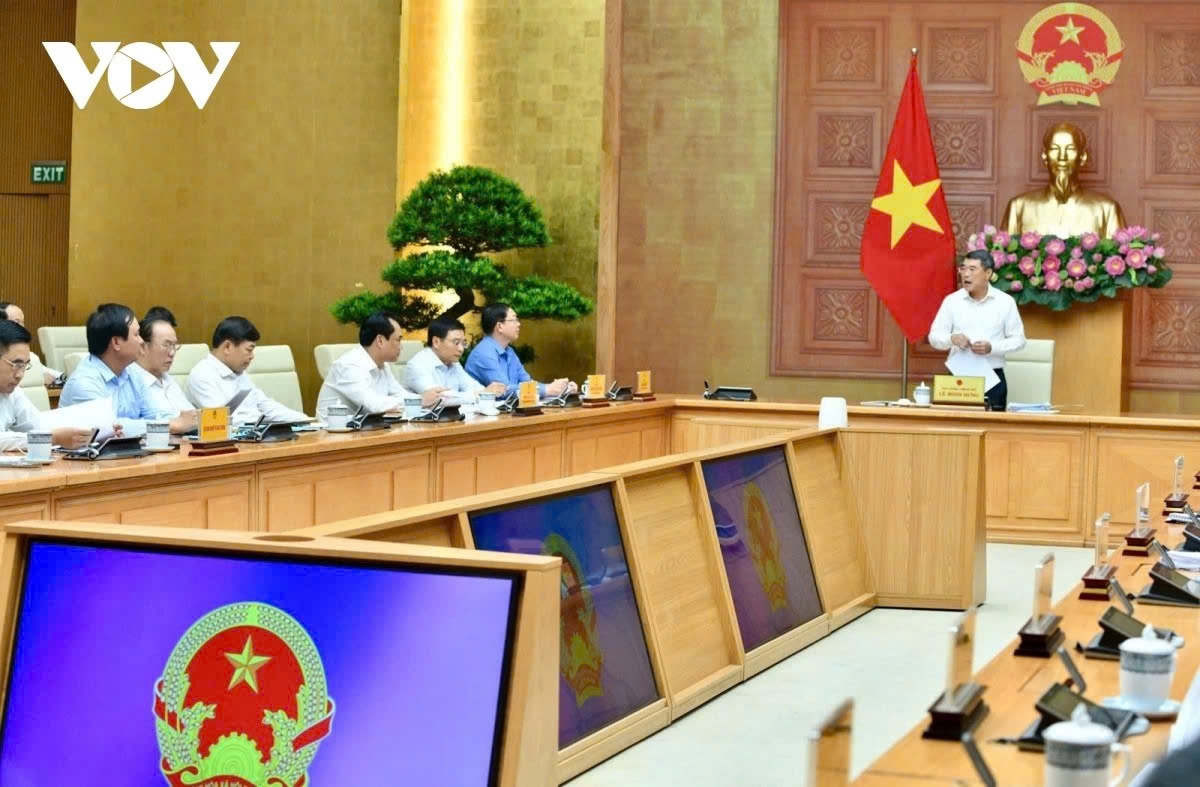
Institutional reform continues to be identified as a key breakthrough. The Prime Minister praised recent efforts to cut administrative procedures and business conditions, which have reduced compliance costs and improved the investment environment for farmers and enterprises.
In line with the Politburo’s Conclusion 18 on the 2026-2030 socio-economic development plan, he requested the ministry to closely monitor domestic and global developments, strengthen forecasting capacity and build flexible growth scenarios.
Key priorities include land policy reform, carbon credit development, digitalisation of data systems and the establishment of a synchronised planning framework to support long-term development.
In the second quarter of 2026, relevant agencies are tasked with completing and submitting for approval adjustments to national land use planning. Authorities will also accelerate the digitalisation and cleansing of the national land database, while reviewing and approving sectoral and industry-level planning under their mandates.
The Prime Minister called for stronger coordination with the Ministry of Construction to establish mechanisms to address abandoned land and reclaim projects that fail to meet implementation commitments. Regulations on rare earth management will also be finalised, alongside updates to national standards, technical regulations and economic norms.
In the third quarter of 2026, ministries were required to conduct a comprehensive review of the implementation of the Politburo’s Resolution 18 on land policy and prepare amendments to the Land Law. A programme aimed at maximising the value of agricultural land use will be developed, together with stronger incentive mechanisms to attract investment into agriculture and rural development.
He also requested close monitoring of global and domestic developments, along with improved forecasting capacity and scenario planning to support sectoral growth strategies amid an increasingly complex and uncertain global environment.
The Prime Minister also underscored the importance of environmental protection and resource security alongside growth objectives. He called for stronger measures in climate change adaptation, disaster prevention, water security and pollution control, particularly in major urban areas such as Hanoi and Ho Chi Minh City.
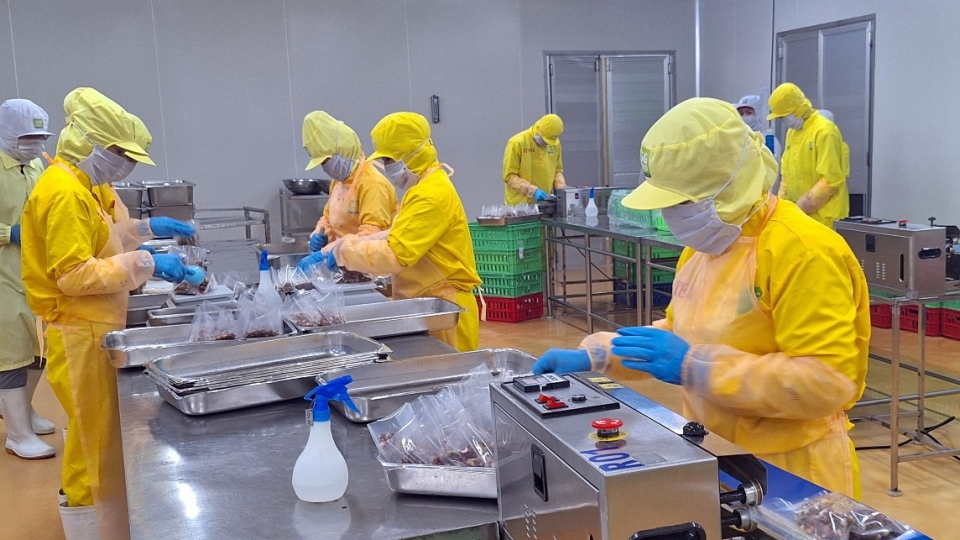
Halal market: A breakthrough opportunity for Vietnam’s agricultural exports
VOV.VN - The global Halal economy is currently valued at around US$5 trillion and is projected to double by 2028, offering significant growth potential for Vietnamese agricultural and food exporters.