Halal market: A breakthrough opportunity for Vietnam’s agricultural exports

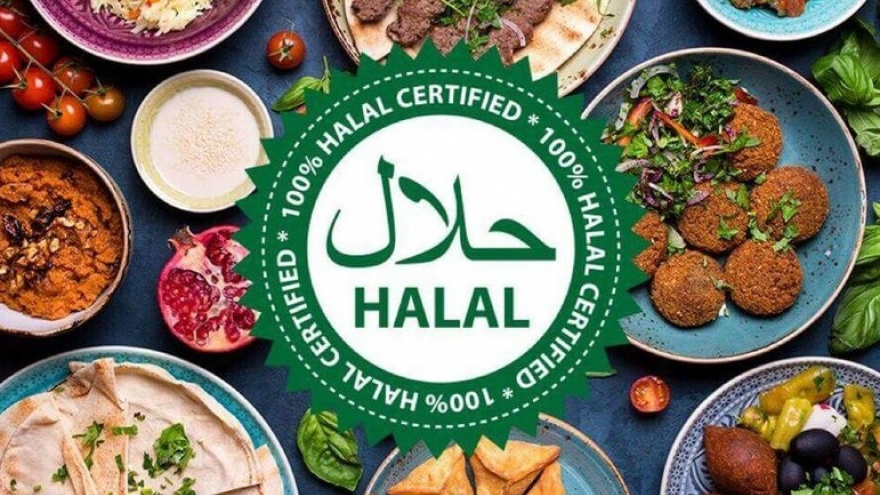
VOV.VN - The global Halal economy is currently valued at around US$5 trillion and is projected to double by 2028, offering significant growth potential for Vietnamese agricultural and food exporters.
Notably, the Comprehensive Economic Partnership Agreement (CEPA) between Vietnam and the United Arab Emirates (UAE), effective from February 2026, provides tariff advantages for many Vietnamese agricultural and food products, including zero tariffs on several key export items.
However, only about 0.2% of Vietnamese enterprises hold Halal certification, highlighting both vast market potential and limited readiness.
Expanding export opportunities in the Middle East
Amid challenges in traditional export markets, the Middle East, particularly the UAE, is increasingly viewed as a highly promising destination. The region imports 85–90% of its food demand, creating strong opportunities for Vietnamese agricultural products.
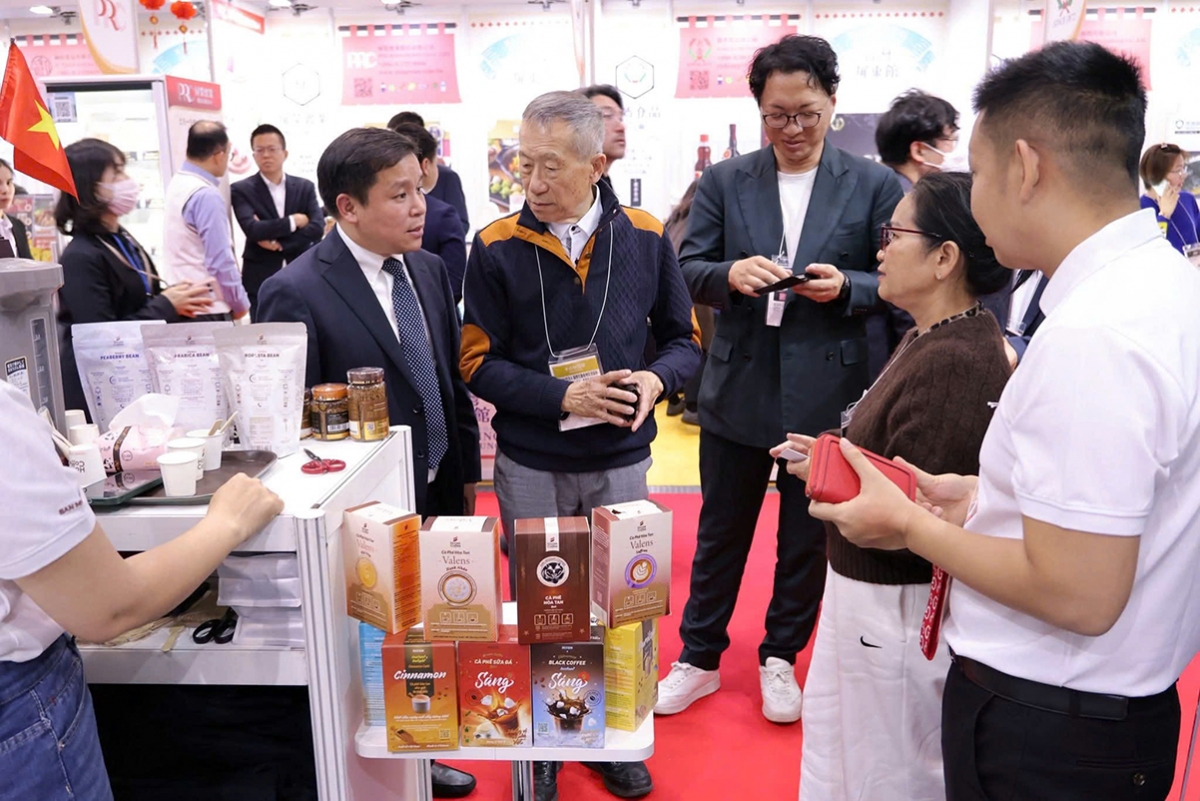
According to Vo Tuan Anh, deputy director of Trade Promotion at Ban Me Gold Company specialising in coffee products, the 0% tariff under CEPA is a major advantage, especially as production and business costs continue to rise.
The company has proactively obtained Halal certification for its coffee products exported to Malaysia, the Republic of Korea, and Thailand as a preparatory step before expanding into the Middle East market. Currently, it exports around 500 tonnes of instant coffee, freeze-dried coffee, and drip coffee bags per month.
The company is also building a new 1-hectare green-standard factory in Ba Ria–Vung Tau (now part of Ho Chi Minh City) aiming to meet Halal certification requirements for exporting coffee, dried fruits, and processed agricultural products to the Middle East.
“The Halal market in the Middle East shows strong demand for Vietnamese coffee products. In particular, once products are distributed in this region, importers and distributors can further expand shipments to other international markets, creating an advantage for broader export value chains. This is considered an important opportunity for accessing customers in the Middle East, especially within the rapidly growing Halal segment,” Anh analysed.
Restructuring production for Halal compliance
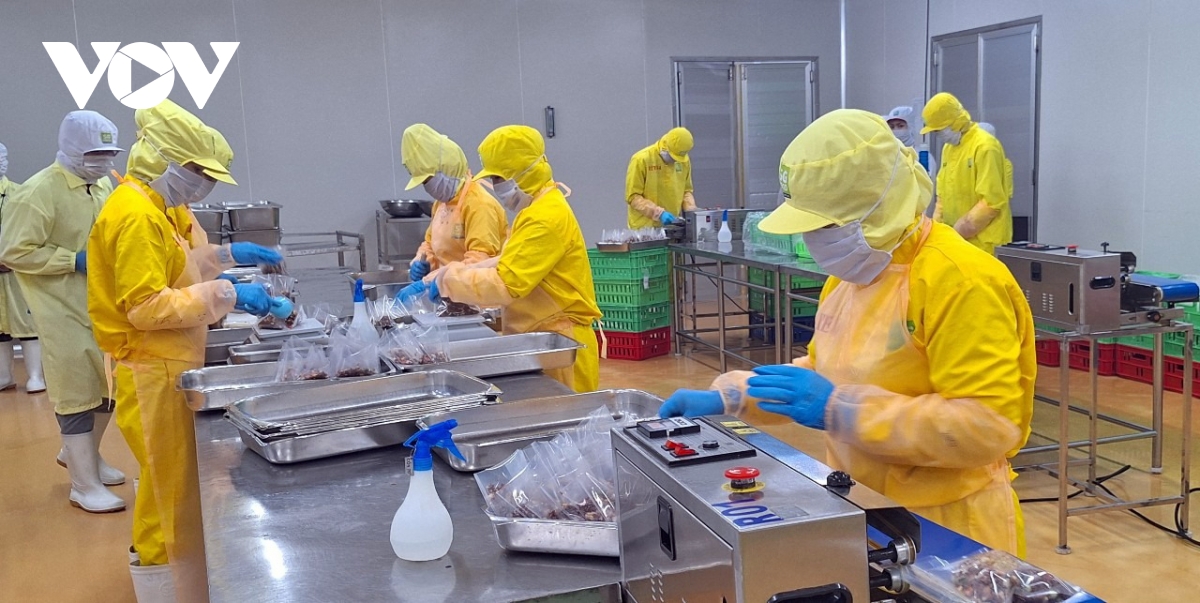
Experts emphasised that entering Halal markets requires more than certification; enterprises must comply with the entire Halal logistics system to prevent cross-contamination during transportation and storage.
Halal standards cover the entire value chain, from raw materials to production and distribution. However, many Vietnamese companies still rely on intermediary suppliers, making traceability a major challenge.
Nguyen Thi Ngoc Hang, marketing director of the Vietnam Halal Certification Agency (HCA VN), noted that differences among Halal standards across the market remain a key challenge for businesses. She advised companies to develop structured strategies, select internationally recognied certification bodies, and work closely with them from the early stages.
“We provide detailed guidance for enterprises in developing Halal standards, as well as support in connecting businesses with suitable raw material suppliers. In addition, we assist companies in accessing relevant standards and applying them directly to their production facilities,” Hang said.
Ly Kim Chi, chairwoman of the Ho Chi Minh City Food and Foodstuff Association, stated that Vietnamese enterprises are fully capable of entering Halal markets if they comply with required standards. She also called for stronger institutional support in training, certification, and market access.
“Currently, Vietnam already has favourable conditions in place. Recently, we have collaborated with the Consulates of Malaysia and several countries with Muslim communities to organise training sessions and knowledge-sharing activities for enterprises. These countries also have representative bodies in Vietnam that are authorised to issue Halal certification. I believe that Vietnamese enterprises, if they are willing to engage in Halal production, are fully capable of doing so,” she said.
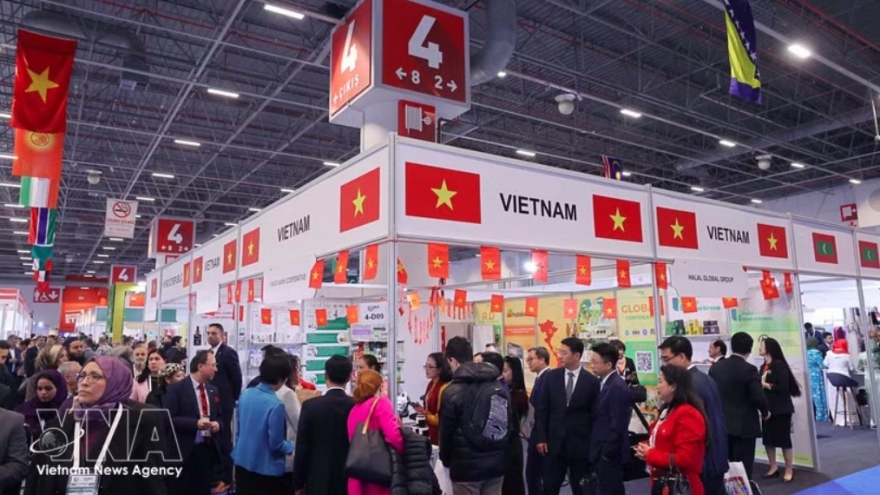
From a trade promotion perspective, Ho Thi Quyen, deputy director of the Ho Chi Minh City Investment and Trade Promotion Centre (ITPC), revealed that Ho Chi Minh City has organised business delegations to major Halal exhibitions in Malaysia, Indonesia, Dubai, and the Middle East to learn about the market demand, explore opportunities and strengthen trade connections.
“Halal is not a niche market but a vast global economic ecosystem. To succeed, businesses must adopt long-term strategies, invest systematically, and upgrade production standards from the outset,” Quyen stated.
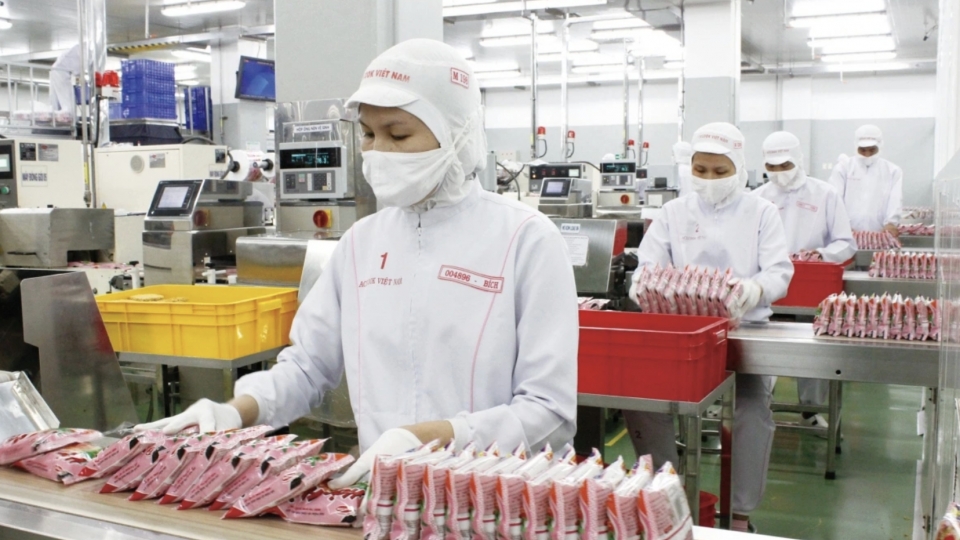
Halal strategy opens trillion-dollar opportunity for Vietnamese food exports
VOV.VN - Vietnamese food exporters are being urged to tap into the rapidly expanding global Halal market, seen as a trillion-dollar opportunity, particularly in the Gulf Cooperation Council (GCC) and Southeast Asia.