Middle East tensions test resilience of Vietnam’s agriculture sector

VOV.VN - Escalating tensions in the Middle East are posing significant challenges to global supply chains, but also serving as a critical test of resilience and adaptability for Vietnam’s agriculture sector, according to Minister of Agriculture and Environment Tran Duc Thang.
In an open letter to businesses and industry associations, Thang called for proactive coordination to mitigate the impacts of geopolitical instability and ensure the sector meets its 2026 growth targets.
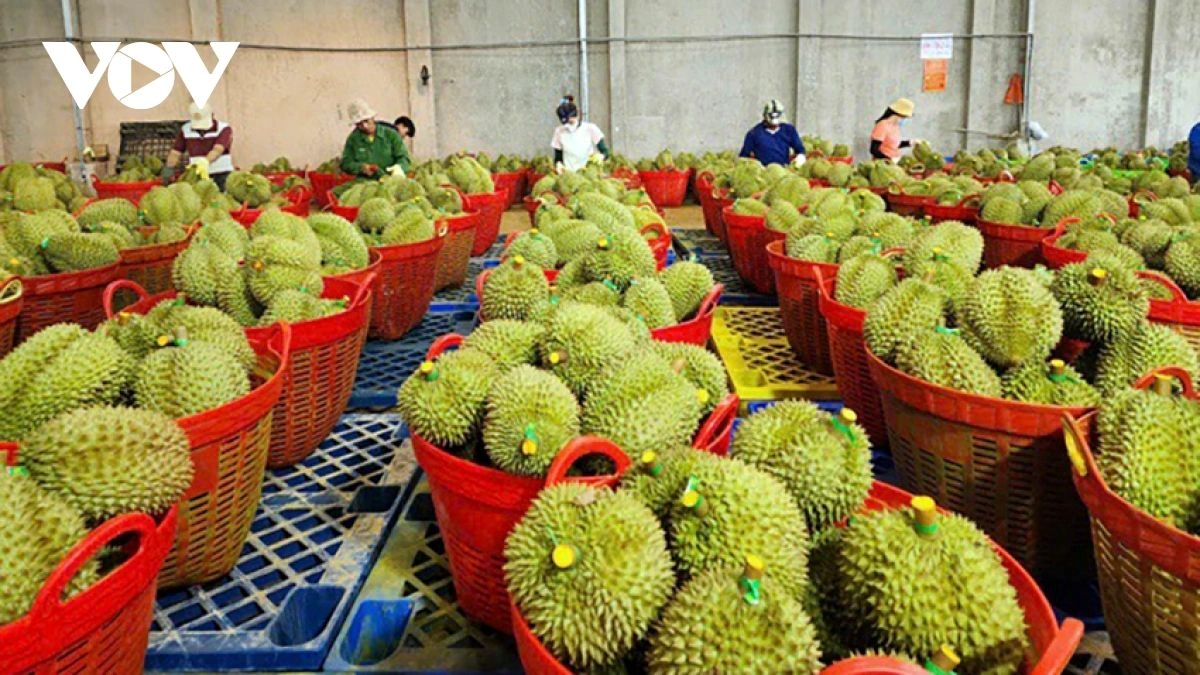
The minister noted that in 2025, Vietnam’s agriculture sector achieved robust growth, with GDP expanding by 3.78% and agro-forestry-fishery exports reaching a record US$70.09 billion, surpassing the initial target.
These results reaffirm the sector’s role as a key pillar of the economy, providing a strong foundation for sustainable growth in 2026, the first year of implementing the Resolution of the 14th National Party Congress.
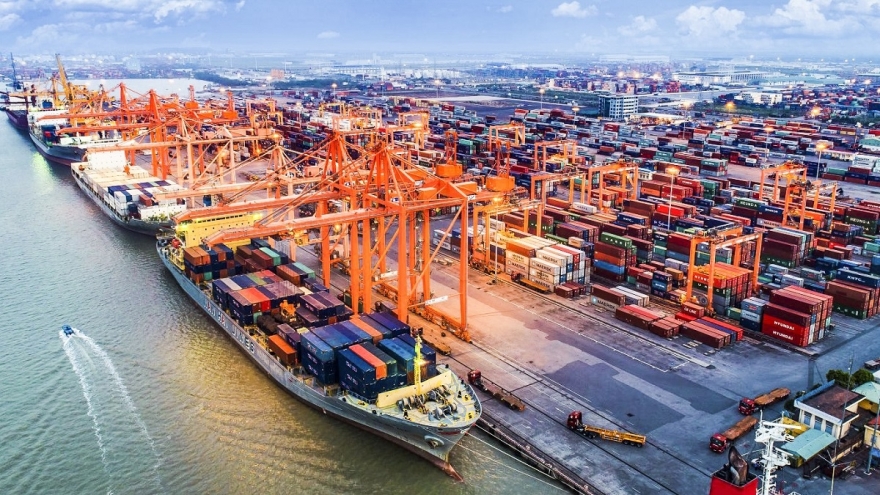
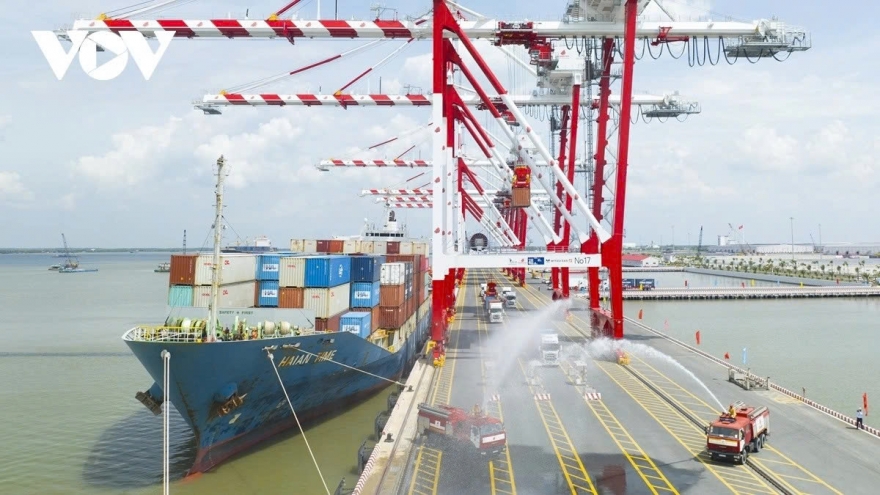
However, ongoing conflicts in the Middle East are disrupting global supply chains, increasing logistics costs and input prices, and directly affecting production costs and the competitiveness of Vietnamese goods.
Given the context, the Ministry of Agriculture and Environment is prioritising the stabilisation of production and supply chains. It aims to ensure sufficient availability of agricultural inputs, reduce production and logistics costs, and safeguard producers while maintaining export momentum and enhancing long-term self-reliance.
Minister Thang called on businesses, especially suppliers of fertilisers, animal feed, crop protection products, and logistics providers, to stabilise or lower prices and maximise capacity to support domestic production. Enterprises are also encouraged to maintain stable procurement of agricultural products, boost stockpiling and processing during peak harvest seasons to prevent price drops, and help farmers sustain production.
At the same time, the minister urged stronger value chain linkages, expanded domestic consumption, and greater support for cooperatives and farmers through contract farming models. Businesses are encouraged to further tap into the domestic market under the “Vietnamese people prioritize Vietnamese goods” initiative, while remaining flexible in export strategies.
The ministry will continue to support enterprises in adopting circular and low-carbon economic models, as well as complying with emerging international regulations such as the EU Deforestation Regulation (EUDR), thereby enhancing the global competitiveness and value of Vietnamese agricultural products.
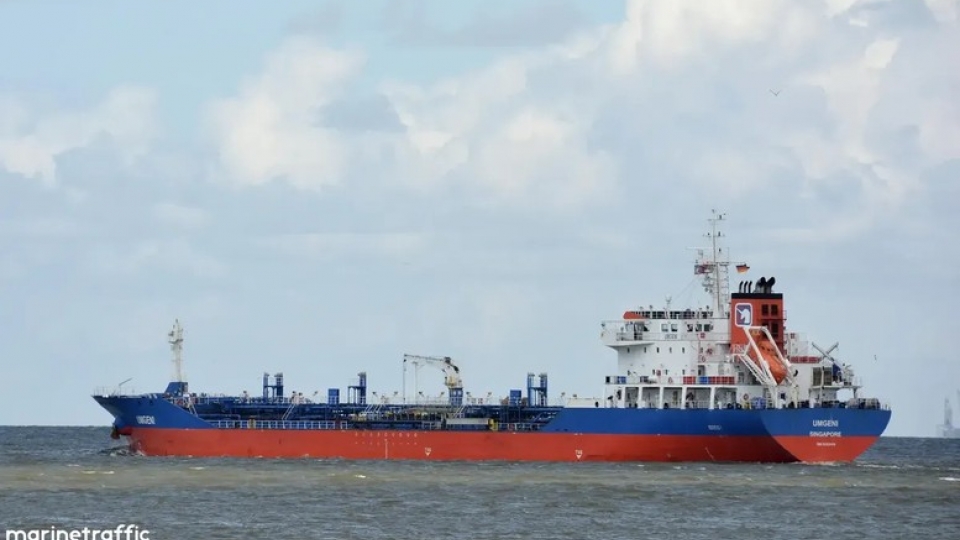
18 Vietnamese vessels in Middle East region remain safe
VOV.VN - Eighteen vessels owned by Vietnamese companies operating in the Middle East have remained safe so far, according to the Vietnam Maritime and Waterway Administration on March 20.