Why the Battle of Dien Bien Phu still matters today

VOV.VN - More than seven decades after it reshaped the course of history, the Battle of Dien Bien Phu (May 7, 1954) continues to resonate far beyond Vietnam.
Often remembered as the military victory that ended French colonial rule in Indochina, Dien Bien Phu also marked a turning point in the global balance of power, anti-colonial movements, modern warfare and post-war reconciliation.
Today, as the world faces renewed geopolitical competition, prolonged conflicts and debates over sovereignty and strategic autonomy, the legacy of Dien Bien Phu continues to resonate strongly.
A turning point in modern history
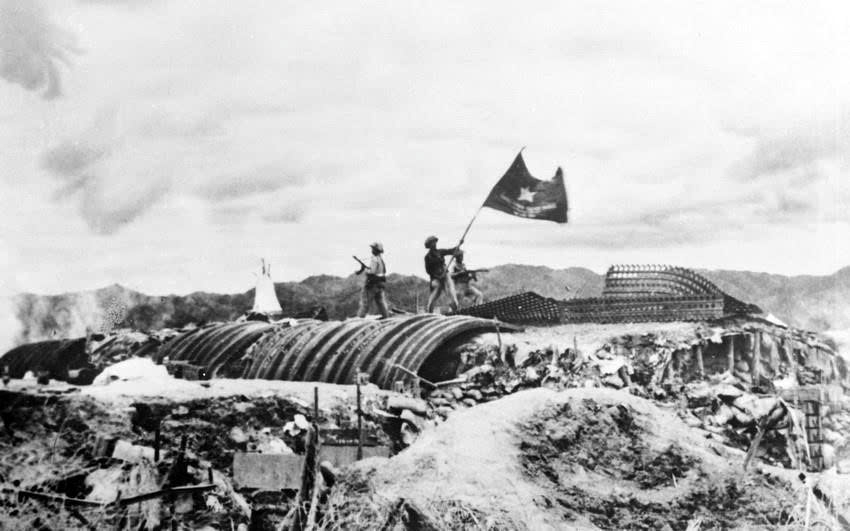
When Vietnamese forces (Viet Minh) defeated the French military at Dien Bien Phu in 1954, the impact extended far beyond the battlefield. The victory accelerated the collapse of traditional colonial systems and inspired independence movements across Asia, Africa and Latin America.
At an international conference on the legacy of Dien Bien Phu, American scholar Christian C. Lentz noted that the victory not only changed the course of the first Indochina War but also strengthened Vietnam’s position at the Geneva Conference.
French historian and journalist Jules Roy described Dien Bien Phu in his book La Bataille de Dien Bien Phu as one of the West’s greatest defeats and a moment that foreshadowed the collapse of colonial empires.
Following the defeat, decolonisation accelerated rapidly, particularly in Africa. France was forced to reassess its colonial policies and gradually grant independence to many territories in Asia and Africa. In 1960 alone, 17 African countries gained independence, and by 1967 France had largely withdrawn from most of its former colonies.
The legacy of Dien Bien Phu still echoes in today’s discussions about sovereignty, self-determination and the shifting balance of global power. It remains an early example of how entrenched geopolitical structures can change more rapidly than expected.
A defining example of asymmetric warfare
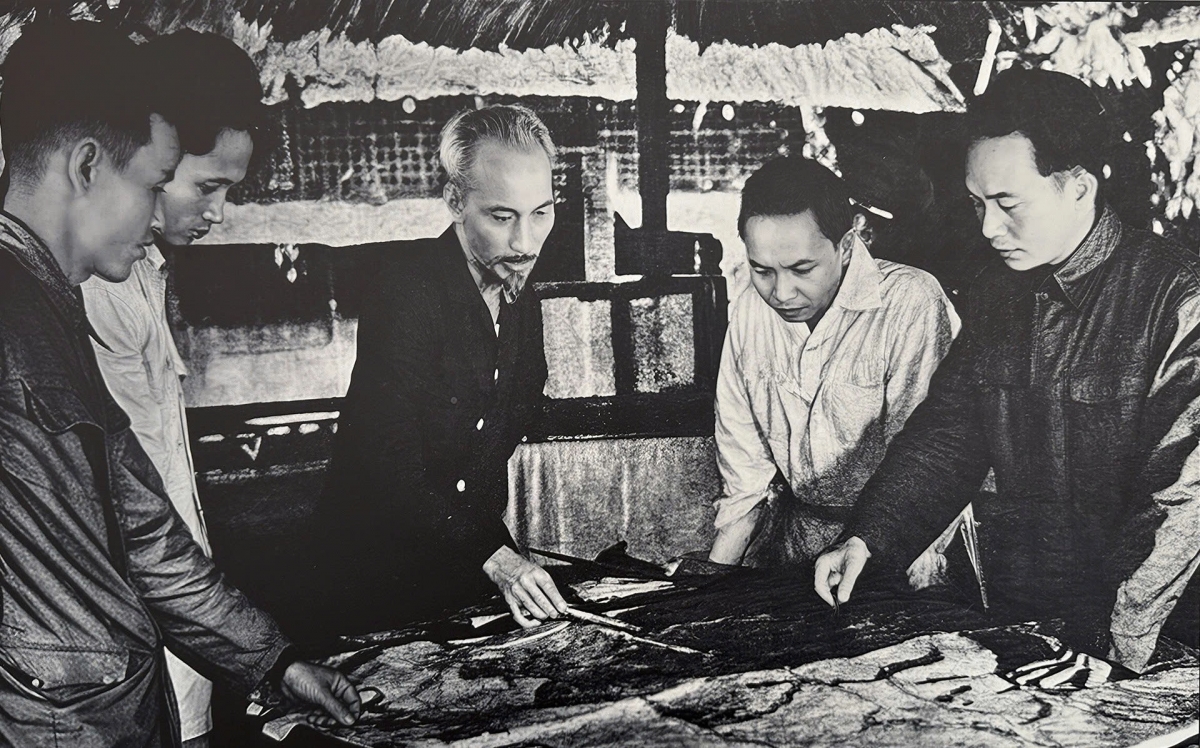
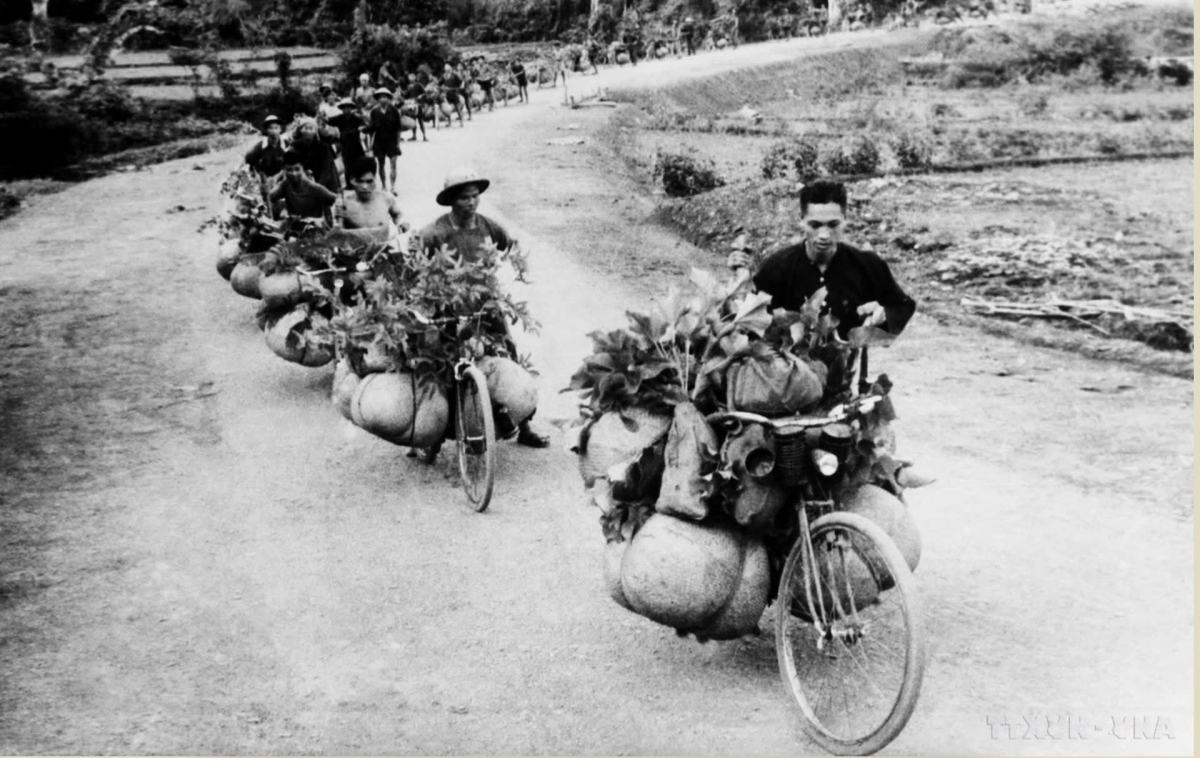
Military scholars and historians often describe Dien Bien Phu as one of the clearest examples of asymmetric warfare in the 20th century. Despite significant disadvantages in weaponry, air power and logistics, Vietnamese forces succeeded against a technologically superior opponent through strategy, adaptability and resilience.
In the landmark book Hell in a Very Small Place: The Siege of Dien Bien Phu, scholar Bernard B. Fall described Dien Bien Phu as a heavily fortified French stronghold that Paris believed could be sustained through overwhelming firepower and air superiority.
What captured international attention was how Vietnamese forces compensated for technological disadvantages through mass mobilisation, large-scale manual logistics networks, artillery maneuverability and extraordinary endurance.
British military historian Martin Windrow argued in The Last Valley: Dien Bien Phu and the French Defeat in Vietnam that the battle demonstrated how organisation, logistics and political determination could counterbalance superior military technology.
These lessons continue to apply today. Modern conflicts increasingly involve irregular warfare, non-state actors and prolonged strategic competition where flexibility, local support and strategic patience often matter as much as military hardware.
The role of political will and legitimacy
Beyond military tactics, the Battle of Dien Bien Phu underscores the importance of political legitimacy and public support.
Bernard Fall argued that wars like Vietnam’s could not be won through military means alone. Success depended heavily on political credibility and the ability to maintain social support among the population.
That lesson continues to resonate in contemporary conflicts. Governments and political movements alike rely not only on military capability but also on legitimacy, governance and public trust.
For Vietnam, Dien Bien Phu has become more than a historical victory. It symbolises resilience, unity and national determination in the face of overwhelming challenges.
Historical memory continues to shape how nations understand themselves and present their narratives internationally. In an era where identity, history and strategic storytelling increasingly influence global politics, the symbolic power of Dien Bien Phu continues to hold significance.
From war to reconciliation
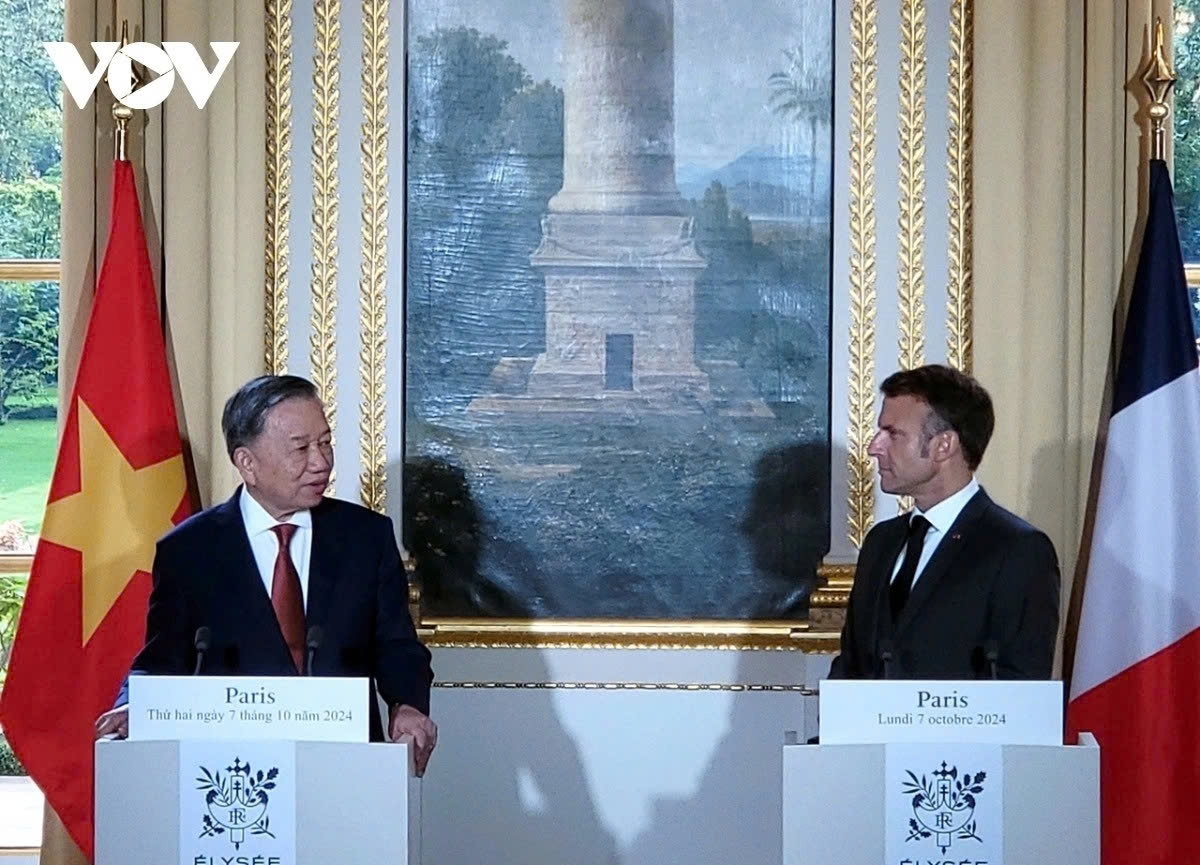
Perhaps one of the most meaningful aspects of the Battle of Dien Bien Phu today is what followed after the conflict ended.
International scholars often note that the battle marked not only the end of the dirst Indochina War but also the beginning of a long process of reconciliation between Vietnam and France.
Historian Fredrik Logevall argued that the consequences of the Indochina War extended far beyond France’s military defeat, triggering decades of political and psychological adjustment in France-Vietnam relations and across the post-colonial world.
International media outlets including Reuters, Le Monde and France 24 have frequently described Dien Bien Phu not only as the conclusion of a colonial war but also as the starting point of a broader process of historical reconciliation between Vietnam and France.
French commentary on recent anniversaries of the battle has highlighted how the two countries have gradually transformed their relationship from colonial confrontation into a partnership built on dialogue, shared remembrance and cooperation.
Over the decades, Vietnam and France have significantly expanded ties in areas such as trade, education, healthcare, culture and defense. The two countries established diplomatic relations in 1973 and have since elevated ties to a Comprehensive Strategic Partnership (2024).
Today, France is considered one of Vietnam’s key European partners, while Vietnam has become an increasingly important partner for France in the Indo-Pacific region.
This transformation offers an enduring lesson: the end of war does not have to mean the continuation of hostility. Conflict can eventually give way to dialogue, cooperation and reconciliation.
More than history
More than 70 years later, the Battle of Dien Bien Phu continues to raise fundamental questions that are still highly relevant today: How can smaller nations assert themselves within the international system? What determines success in modern warfare? How do societies rebuild and reconcile after conflict?
The answers are complex, but the legacy of Dien Bien Phu still offers valuable insight into the modern world. It reminds us that history is not only about understanding the past, it is also about interpreting the present and preparing for the future.
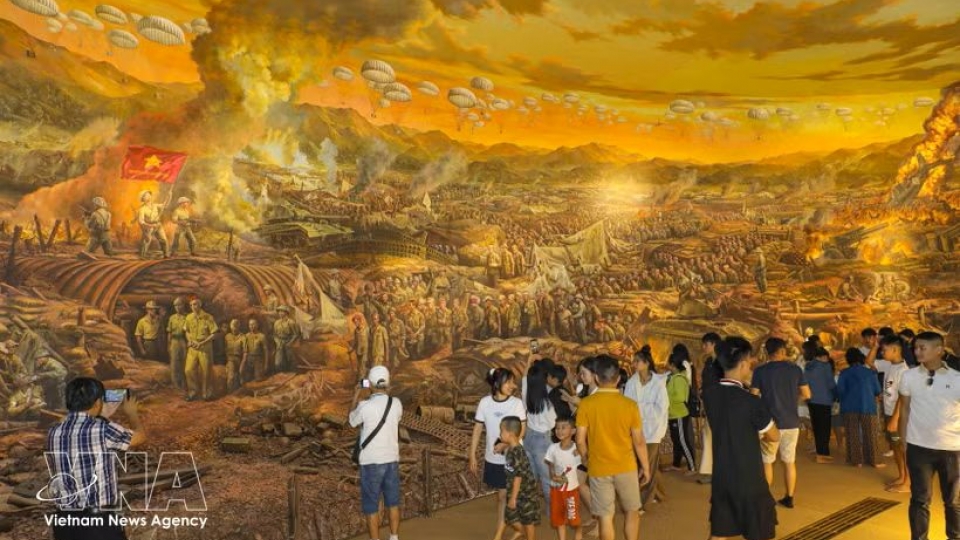
Dien Bien battlefield legacy powers tourism revival
Dien Bien, once a ferocious battlefield, is undergoing a visible overhaul, with gains in economic growth, poverty reduction, infrastructure, and social welfare that lay the groundwork for a new expansion phase.