Vietnam’s 14th Party Congress seen as landmark by foreign ambassadors

VOV.VN - Ambassadors from Armenia, Israel and Belarus to Vietnam have described the 14th National Congress of the Communist Party of Vietnam as a strategically significant political event, reflecting the country’s long-term vision, reform-oriented thinking and strong aspiration for development in the new era.
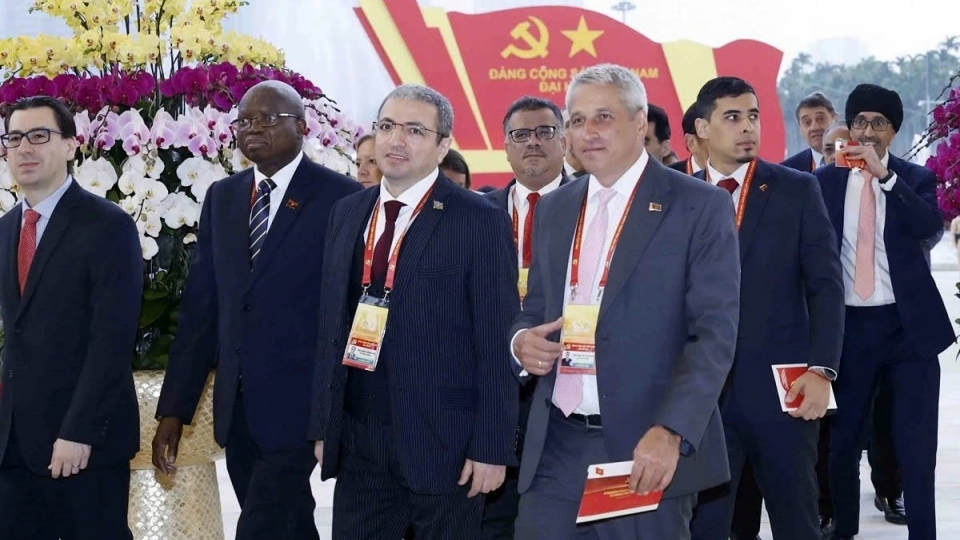
The 14th National Party Congress took place at a time when the country is entering a new stage of development, marked by both opportunities and challenges. In interviews with VOV.VN, several foreign ambassadors in Hanoi affirmed that the Congress has drawn broad international attention and held importance not only for Vietnam but also for its partners.
Stature and professionalism
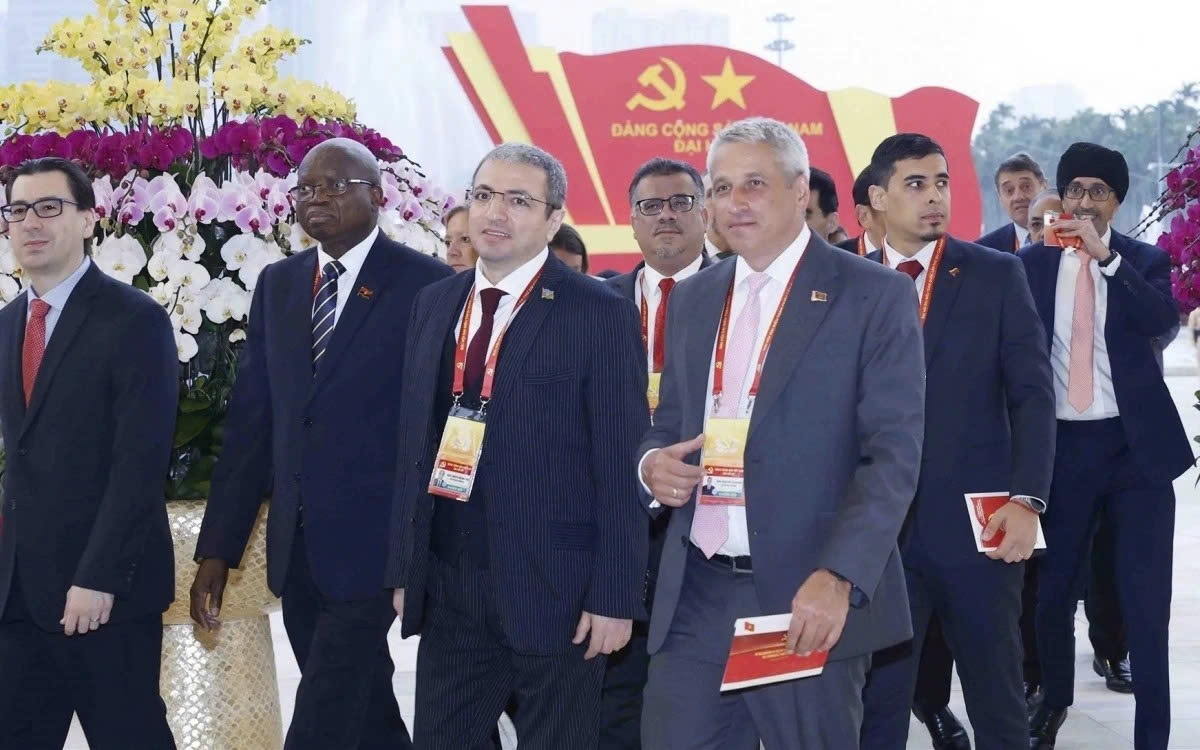
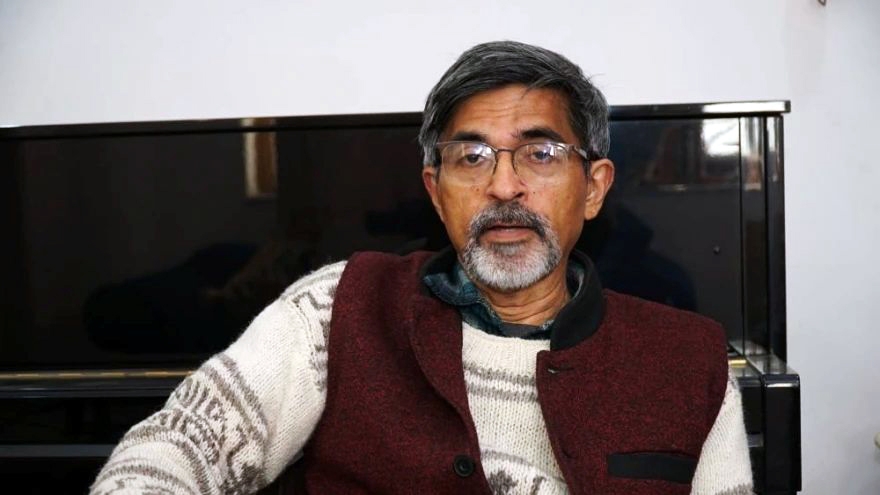
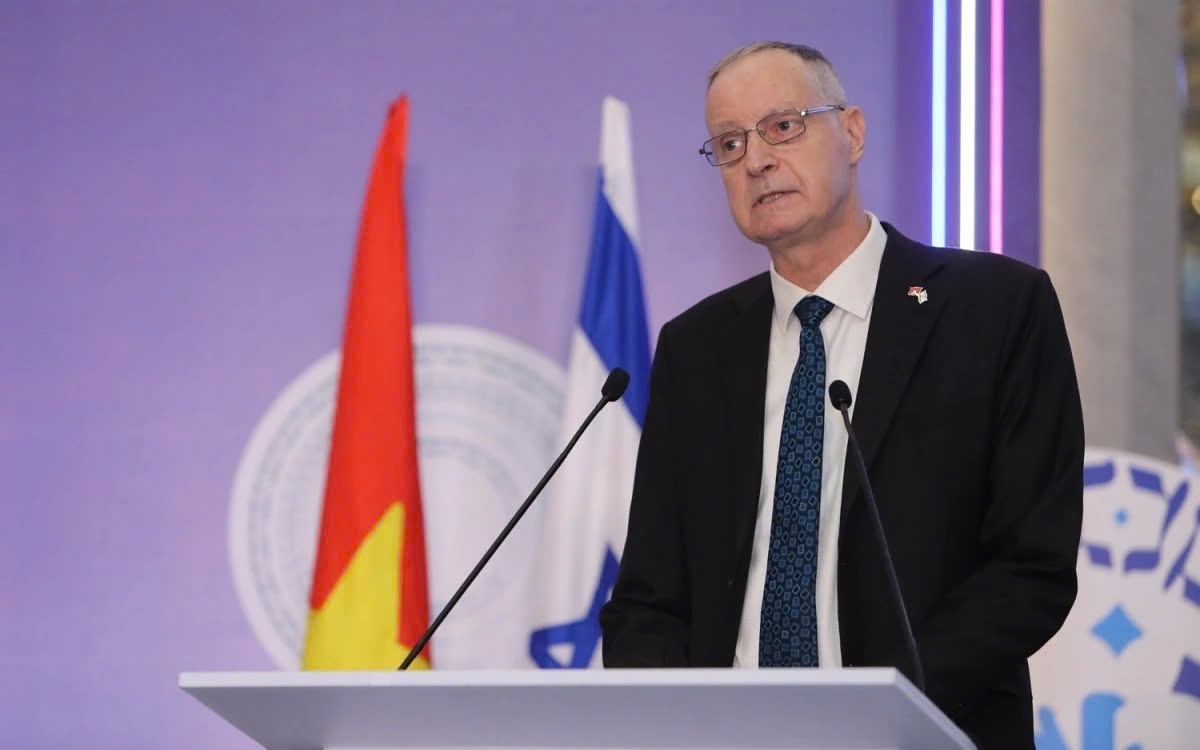
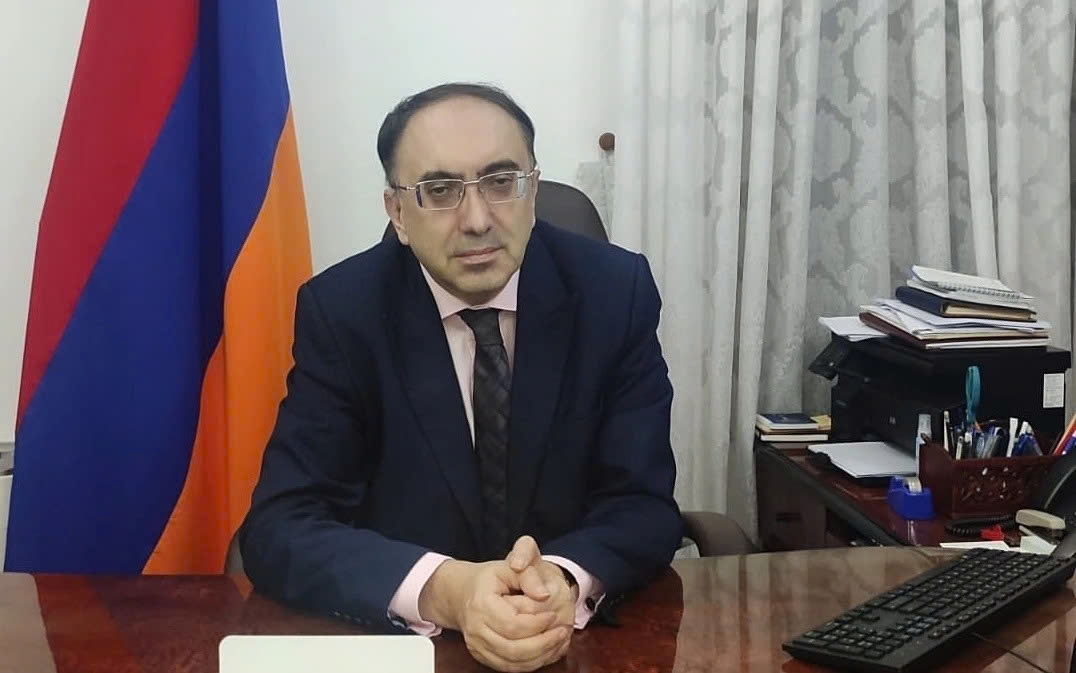
Ambassador of Belarus Uladzimir Baravikou, Ambassador of Israel Yaron Mayer and Ambassador of Armenia Suren Baghdasaryan all highly valued the scale, stature and organidation of the 14th National Congress.
Ambassador Baravikou said he was looking forward to the Congress, regarding it as one of the most important political events of 2026, with decisions that would have a profound impact on the lives of Vietnamese people and shape the country’s development trajectory for years to come.
Ambassador Mayer expressed his honour at attending the opening session and listening to the political report delivered by General Secretary To Lam, noting the strategic depth and coherence of the Party’s development orientations. Ambassador Baghdasaryan remarked that the Congress clearly demonstrated unity, continuity and strategic thinking within the Party’s leadership.
The three ambassadors shared the view that the Congress was carefully prepared and conducted in a highly professional and systematic manner.
A strategic mindset shift, a formula for success
The ambassadors paid particular attention to the inclusion of the concept of “strategic autonomy” in the Congress documents, alongside the orientation of “deeper international integration.”
According to Ambassador Baghdasaryan, this reflects Vietnam’s determination to safeguard independence in policymaking and decision-making while continuing to pursue an open, proactive and cooperative foreign policy amid an increasingly dynamic and complex international environment.
Ambassador Mayer stressed that “strategic autonomy does not mean isolation,” but rather the resilience and capacity to make independent policy choices. He said this approach enhances Vietnam’s credibility as a reliable partner and a constructive contributor to regional and international stability.
Ambassador Baravikou pointed out while Vietnam’s export-oriented model and strong attraction of foreign investment have delivered remarkable achievements, they have also exposed limitations amid global uncertainty, including supply-chain disruptions, rising protectionism and security risks. In this context, economic, energy and defense independence is becoming increasingly important.
He agreed that this thinking stems from Vietnam’s clear awareness of the importance of relying on internal strengths and comparative advantages, while at the same time effectively harnessing external knowledge, experience, capital and technology. He added that “deeper international integration” implies strengthening strategic linkages with long-standing partners and expanding the network of friendly countries.
Ambitious yet achievable development goals
The 14th National Congress set the target of achieving an average GDP growth rate of at least 10% during the 2026–2030 period and striving to become a developing country with modern industry and upper-middle income by 2030 to mark 100 years of the Communist Party of Vietnam. It also aims to become a developed, high-income economy by 2045 to mark 100 years of the modern Vietnamese state.
The ambassadors agreed that these are highly ambitious but realistic goals, provided that Vietnam sustains reform momentum, invests in human capital, raises productivity and accelerates the application of science and technology.
Ambassador Mayer stated that big ambitions have been a defining characteristic of Vietnam over the past decades. With sound policies, sustained reforms, investment in human capital and technological upgrading, such goals, though challenging, remain achievable.
Vietnam’s experience since the launch of the Đổi mới (Renewal) policy in 1986 demonstrates the country’s ability to translate long-term vision into tangible outcomes, and that the centenary goals will serve as a powerful driver for mobilising society-wide efforts, he said.
Sharing the perspective, Ambassador Baravikou emphasised that achieving these objectives will require the effective mobilisation of all national resources, technological modernisation, the development of a high-quality workforce, and the responsible application of emerging technologies, including artificial intelligence.
Strong ties with international partners
To achieve breakthrough development in the coming years, Vietnam needs to continue combining internal strengths with external resources. The Ambassadors of Belarus, Armenia and Israel affirmed their countries’ commitment to cooperation and support for Vietnam on its path toward prosperity.
According to Ambassador Baghdasaryan, prospects for Armenia–Vietnam relations following the 14th National Party Congress are positive. Armenia values its traditional friendship with Vietnam and seeks to further promote bilateral cooperation on the basis of mutual respect and mutual benefit.
Meanwhile, Ambassador Baravikou noted that Belarus and Vietnam share a long-standing and successful bilateral relationship built on trust, friendship, respect and mutual support, which is resilient in the face of today’s global challenges. Last year’s establishment of the Belarus - Vietnam Strategic Partnership has elevated Belarus–Vietnam relations to a new qualitative level, opening up fresh opportunities to further deepen mutually beneficial cooperation across all fields and at all levels.
For his part, Ambassador Mayer expressed optimism about the future of Israel–Vietnam relations following the 14th National Party Congress, stating that Israel’s strengths and experience align well with Vietnam’s development orientations. He assured that Israel stands ready to deepen bilateral cooperation in innovation, high technology, agriculture, water management, healthcare, education and digital transformation.
Israel is prepared to be a reliable partner, sharing knowledge, technology and practical solutions in support of Vietnam’s development goals and long-term vision, he said.
According to the diplomat, recent developments such as Vietnamese technology group FPT opening a branch in Israel and Israeli airline Arkia launching a direct flight between Tel Aviv and Hanoi demonstrate that bilateral cooperation is becoming increasingly substantive.
Azerbaijan ambassador praises Vietnam’s strategic development vision
VOV.VN - Azerbaijan’s Ambassador to Vietnam Shovgi Mehdizade has praised the strategic vision and confidence demonstrated by the 14th National Congress of the Communist Party of Vietnam (CPV), describing the event as a milestone as the country enters a new phase of deep reform and ambitious development.