14th Party Congress steers Vietnam towards stability, prosperity: Indian scholar

VOV.VN - The 14th National Congress of the Communist Party of Vietnam marks a significant milestone not only for the country’s domestic political process but also for its role and standing in the region and on the global stage, an Indian scholar has said.
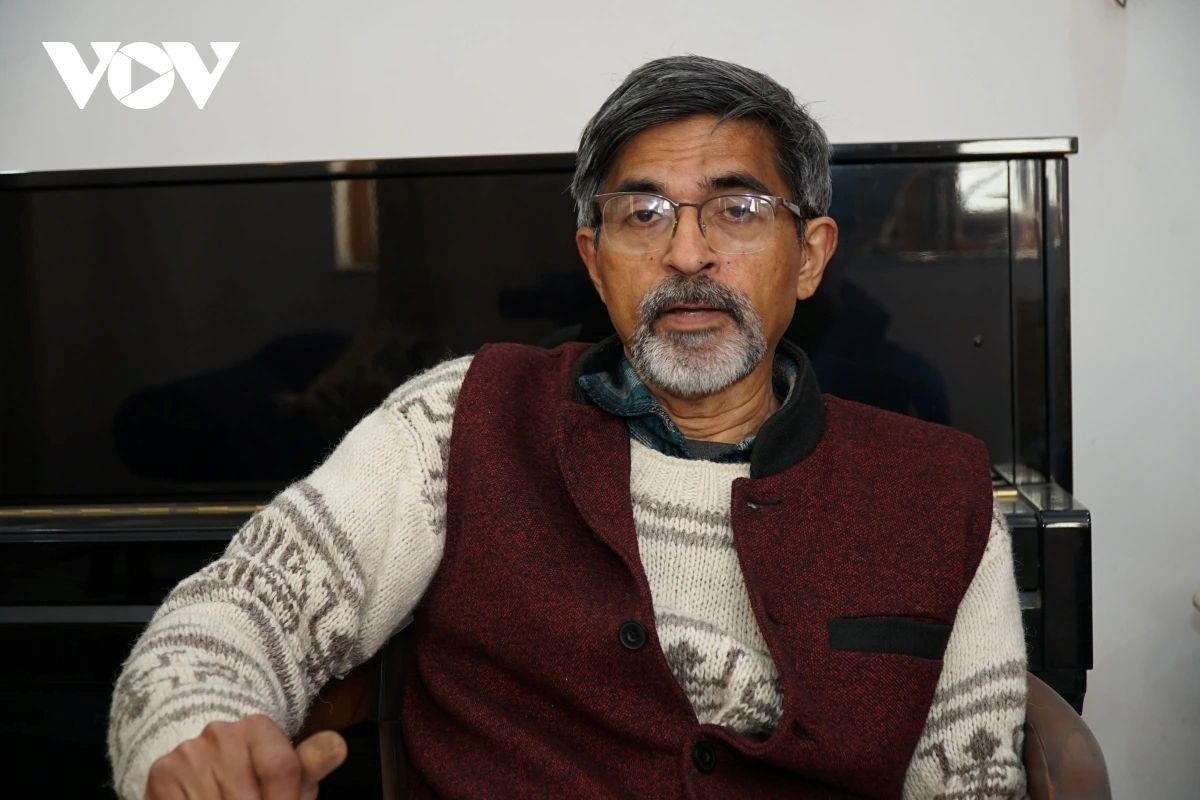
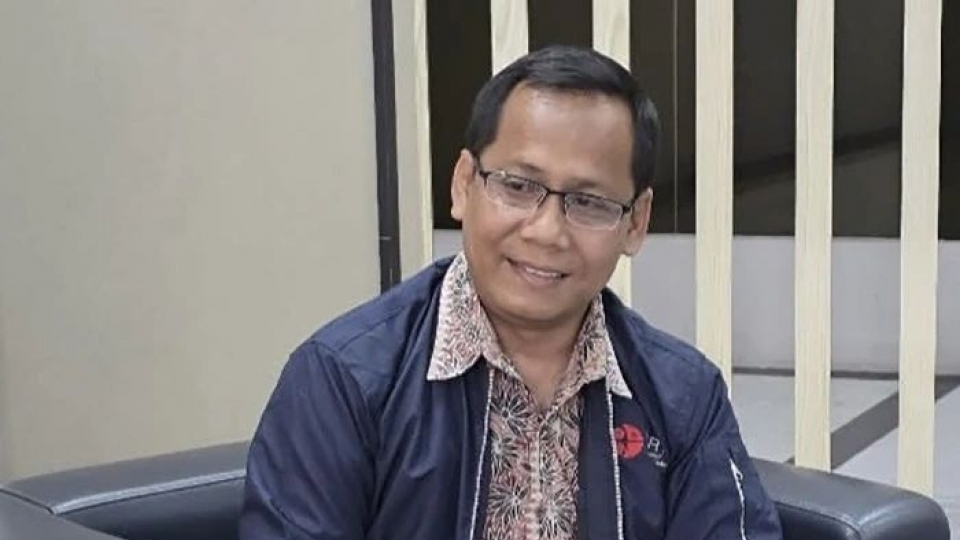
In an interview with New Delhi – based VOV correspondents, Dr. Udai Bhanu Singh, senior research associate and coordinator of the Southeast Asia and Oceania Centre at India’s Institute for Defence Studies and Analyses, said the congress comes at a time when Vietnam has recorded strong development gains, including high and stable economic growth alongside sustained political and social stability.
He noted that a core focus of the congress is the selection of a leadership team to guide the country in the next term and the setting of strategic priorities for the coming five years, as well as a long-term vision to 2045, when Vietnam will mark the centenary of its founding.
Singh said he was impressed by the organisation of the congress and the consistency of Vietnam’s development path and foreign policy. He highlighted Hanoi’s ability to manage external relations in a balanced manner, maintaining stable ties with China while deepening partnerships with the United States and other major powers. This flexible approach, he said, helps Vietnam preserve its independence and autonomy while expanding cooperation amid intensifying global strategic competition.
The scholar also pointed to Vietnam’s increasingly visible role in regional and international frameworks. He described the country as an active and responsible member of ASEAN and a committed participant in multilateral forums such as the United Nations, ASEAN Defence Ministers Meeting (ADMM-Plus) and the ASEAN Regional Forum, where it often voices the perspectives of developing countries and promotes dialogue, cooperation and regional stability.
Domestically, Singh said Vietnam’s aspiration for self-reliance and determination to progress are defining traits shaped by a history of challenges. The resolve to safeguard sovereignty and territorial integrity, coupled with the drive for development, has become deeply embedded in society and underpins current strategic choices.
Against a backdrop of global uncertainty, Singh affirmed Vietnam has the potential to emerge as a development model in Southeast Asia. He noted that Vietnam is among the region’s fastest-growing economies and has set its sights on double-digit growth in the period ahead, which would further reduce poverty and improve human development outcomes.
He added that Vietnam’s human development indicators have continued to improve, particularly in education and health care. Investment in primary education and the expansion of higher education institutions, he said, provide a solid foundation for long-term growth and innovation.
Overall, Singh remarked Vietnam’s leadership has demonstrated a clear understanding of the need for balanced, comprehensive and sustainable development. If international conditions remain favourable, he said, the goal of becoming a developed country by 2045 is achievable.
The scholar expected the decisions of the 14th Party Congress would place Vietnam on a path of stability and prosperity, delivering tangible benefits to its people while contributing positively to regional peace and stability and strengthening cooperation with partners such as India.
Indonesian scholar underscores strategic significance of Vietnam’s Party Congress
VOV.VN - The 14th National Congress of the Communist Party of Vietnam is a politically significant event not only for the country’s future development but also for the wider region, drawing close attention from international observers, including scholars across Southeast Asia.