Vietnam looks to innovation and international partnerships for next development phase

VOV.VN - General Secretary of the Communist Party of Vietnam Central Committee and State President To Lam has outlined Vietnam’s development vision for a new era, with science and technology, innovation, green transition and human capital at its core, alongside stronger international cooperation to turn these priorities into tangible results.
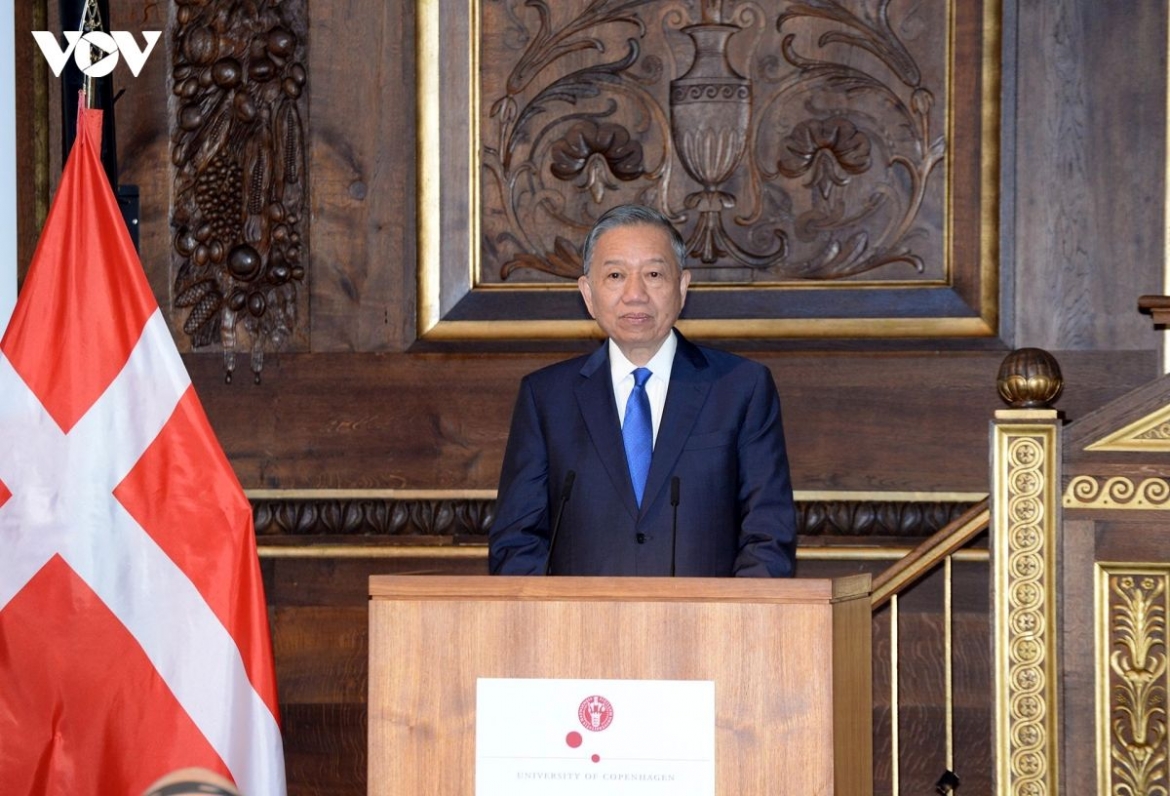
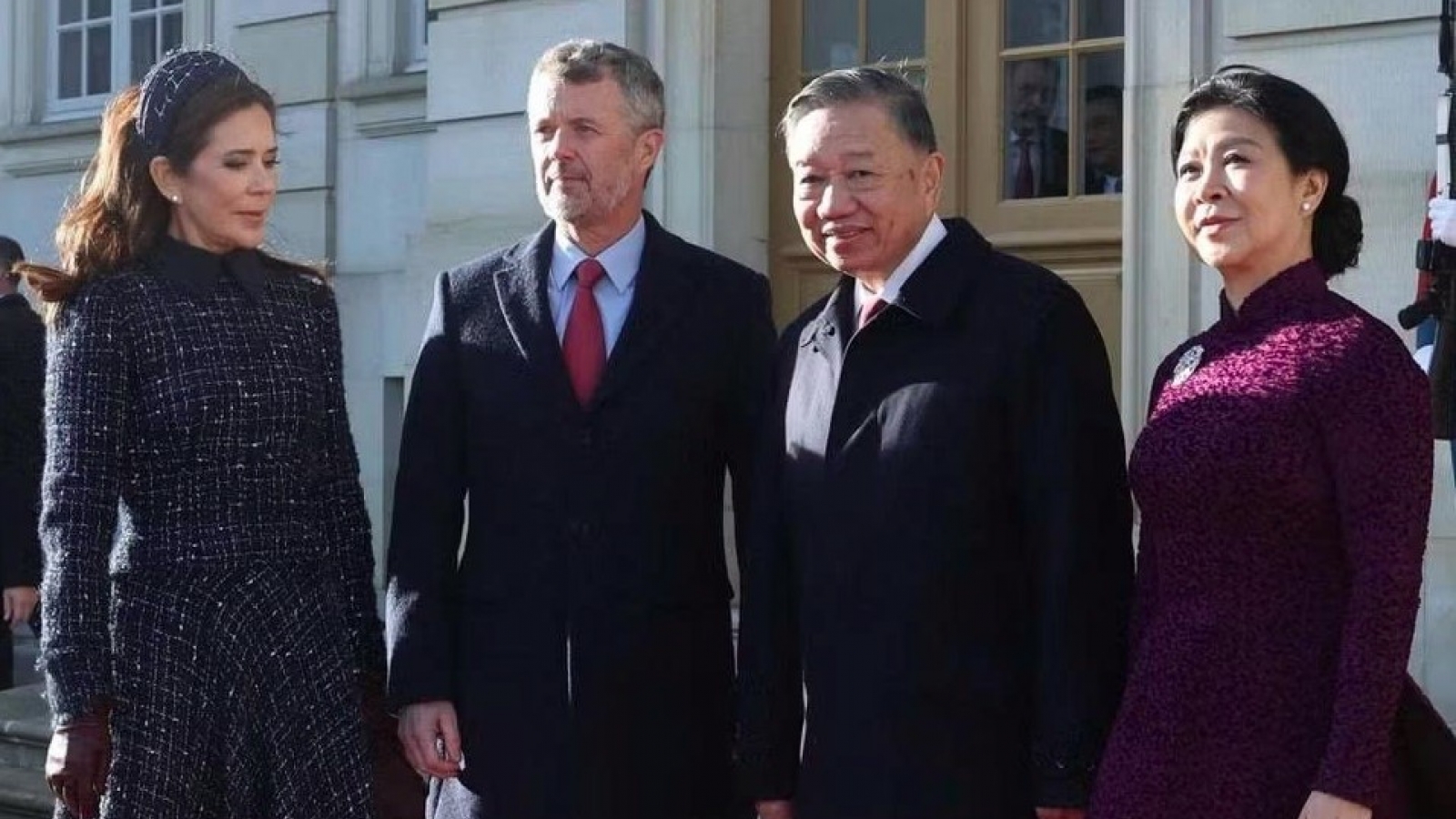
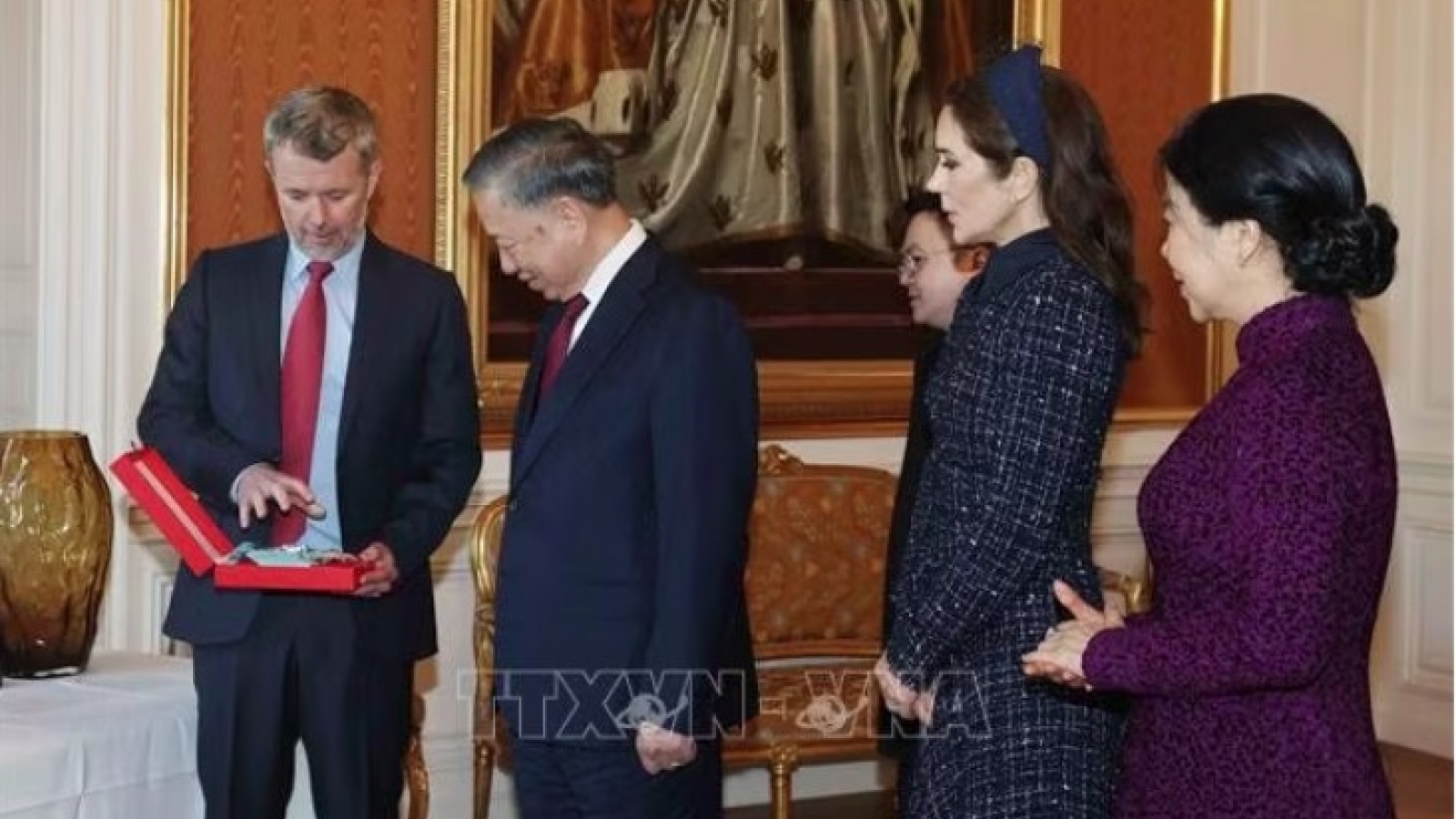
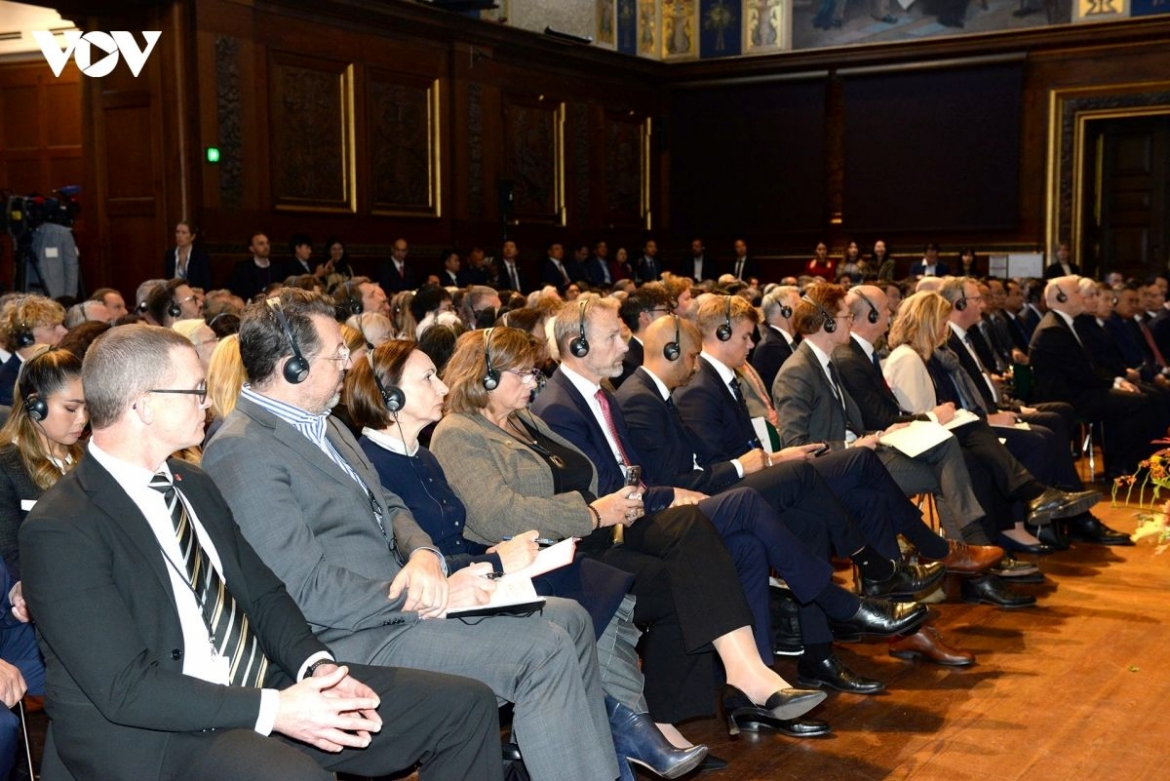
Addressing a policy speech at the University of Copenhagen on October 19 during his state visit to Denmark, General Secretary and State President To Lam presented Vietnam’s development priorities against the backdrop of the country’s long-term goals of becoming an upper-middle-income country with modern industry by 2030 and a high-income developed country by 2045.
The path towards these goals, he noted, rests on an independent and self-reliant approach that places people at the centre of development and harnesses knowledge and learning to narrow the development gap.
Rather than relying on low-cost labour and natural resources, Vietnam is pursuing a development model built on self-reliance, resilience, innovation, humanism, sustainability and international integration. Science and technology, innovation and the knowledge economy are identified as core drivers, while the green transition and energy development offer opportunities to restructure the economy without compromising the environment.
Education, meanwhile, remains a national priority. Ultimately, economic growth must deliver tangible, fair and equitable benefits to the people, rather than being measured by figures alone.
Three shifts to avoid the middle-income trap
The challenge facing Vietnam in its next phase of development is not simply to sustain high growth, but to improve its quality and avoid the middle-income trap.
In response to a question about the Government’s initiatives to support economic growth and the transition from a production-oriented to a consumption-oriented economy, the leader outlined three key shifts underpinning Vietnam’s approach.
The first is a move away from low-cost labour towards productivity and innovation. This involves shifting from growth driven by capital and labour to a model powered by science and technology, with priority given to strategic industries such as semiconductors, artificial intelligence and data, alongside training programmes for highly skilled technical workers.
Stronger links between foreign-invested enterprises and Vietnamese businesses are also needed to facilitate technology transfer, improve management skills and help domestic firms move up global value chains.
The second shift is from extensive growth towards green, digital and inclusive development. Institutional reform will play a crucial role, not merely by removing barriers but by creating mechanisms that allow resources to be mobilised more effectively, particularly as new economic models emerge.
The third is to invest in human capital, while balancing export-led growth with the development of the domestic consumer market. The experience of economies that have escaped the middle-income trap demonstrates that the quality of the workforce is a decisive factor.
Together, these shifts reflect Vietnam’s determination to improve productivity, strengthen domestic capabilities and build a more resilient foundation for long-term growth.
From bilateral friendship to a broader strategic partnership
Cooperation with Denmark offers an important avenue for advancing this development agenda. Reflecting on 55 years of diplomatic relations, General Secretary and President To Lam noted that bilateral ties had evolved from one-way assistance into multifaceted, mutually beneficial cooperation spanning trade, investment, education, healthcare and people-to-people exchanges, with energy, climate and technology emerging as further areas of collaboration.
Vietnam particularly values Denmark’s experience in fostering social trust, maintaining a transparent and accountable public administration, and ensuring policy stability. Recognising the similarities between the two countries and their complementary strengths, Vietnam regards Denmark as a trusted partner with which to share experience, learn from one another and create new value for the future.
Building on the Comprehensive Partnership established in 2013 and the Green Strategic Partnership launched in 2023, the two countries now have an opportunity to develop a broader and more strategic framework for cooperation.
He called for an elevation of bilateral ties beyond the existing Green Strategic Partnership towards a more comprehensive strategic relationship. Such a framework, he said, could serve as a model of cooperation between a Southeast Asian nation and a Nordic partner, while enabling Vietnam and Denmark to act as strategic gateways to ASEAN and the European Union, respectively.
Closer political trust, shared values and a common vision would provide a basis for more regular exchanges through government, parliamentary, political party, local and business channels, as well as expanded cooperation in areas with strong potential.
The two countries also have complementary markets, resources and technologies, alongside shared interests in building secure supply chains and maintaining free trade. Better links in infrastructure, logistics and value chains could strengthen connections between Southeast Asia and Northern Europe.
Taking into consideration the potential for cooperation, the target of US$1 billion in bilateral trade should be regarded as a starting point rather than a final destination, he stressed.
Turning knowledge and technology into development capacity
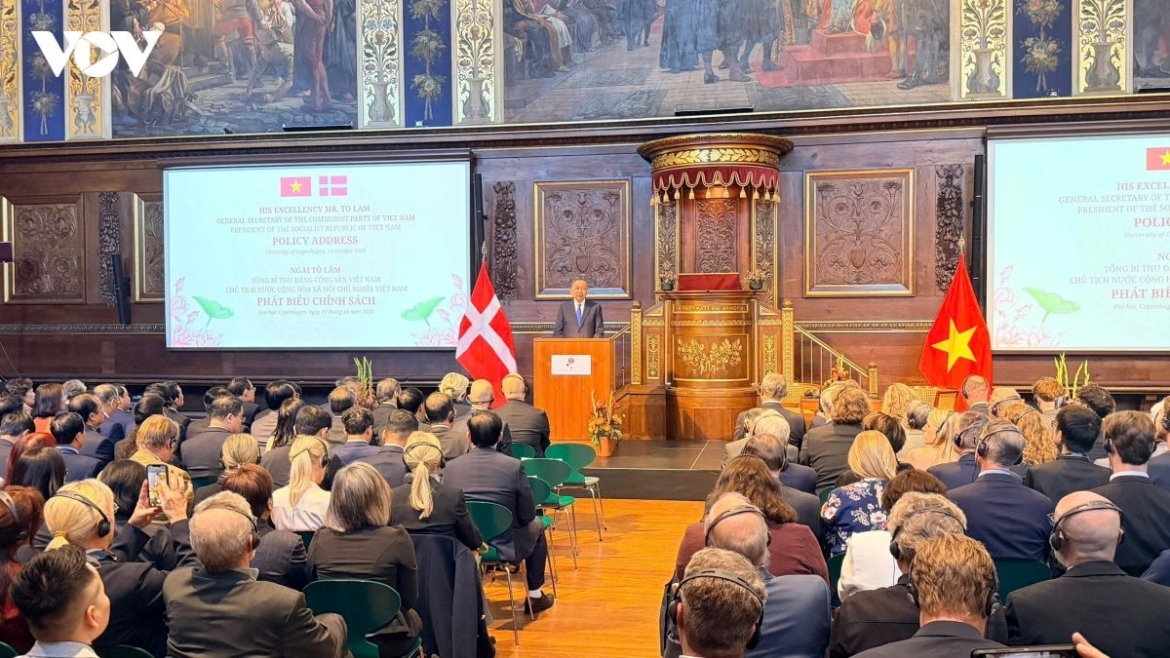
Scientific and technological cooperation must also move beyond isolated exchanges towards a regular bilateral framework. This could support joint research funding, exchanges for young scientists and selective technology transfer, helping translate cooperation into stronger domestic capabilities.
Vietnam has substantial demand for highly skilled workers, while Denmark has an outstanding foundation in science and education, exemplified by the University of Copenhagen. Positive cooperation in healthcare, particularly in the treatment of non-communicable diseases, could be extended to other priority fields, including biotechnology, pharmaceuticals, digital technology and artificial intelligence.
These areas of cooperation align with Vietnam’s broader ambition to build new capabilities for sustainable development. International partnerships are therefore not simply a means of expanding bilateral ties; they can also contribute to the knowledge, technology and human resources required to improve productivity and competitiveness.
The policy speech also placed Vietnam–Denmark relations within a wider regional and global context. As maritime nations, the two countries can work together to promote maritime security, safety and freedom of navigation in accordance with international law, particularly the 1982 United Nations Convention on the Law of the Sea (UNCLOS).
Party General Secretary and State President To Lam expressed Vietnam’s wish to work with Denmark on these issues, with the aim of contributing to a more peaceful, just and sustainable world.
A partnership shaped by shared knowledge and ambition
Looking back on 55 years of diplomatic relations, he noted that Vietnam and Denmark have built a deep foundation of trust on which to develop a new chapter of cooperation. In a world facing profound changes and challenges, solidarity, knowledge-sharing and close collaboration would help both countries turn challenges into opportunities.
The younger generation, he added, would play a pioneering role in shaping the next chapter of bilateral relations.
Following the speech, the Vietnamese leader answered questions on the role of the green transition in Vietnam’s new development model and how cooperation with international universities, including the University of Copenhagen, could promote knowledge and technology transfer, strengthen capabilities and make the green transition a driver of growth and competitiveness.
His remarks brought together two closely connected priorities: transforming Vietnam’s domestic development model and expanding international cooperation to support that transformation. The emphasis was not only on setting long-term ambitions, but also on building the technological, institutional and human capacities needed to achieve them.
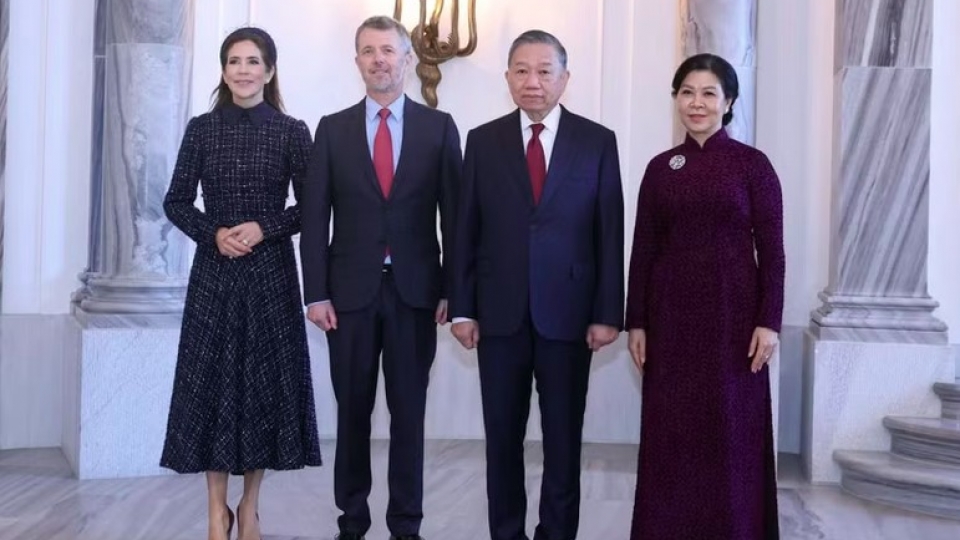
Top leader To Lam, Danish King laud growing Vietnam-Denmark relations
VOV.VN - General Secretary of the Communist Party of Vietnam (CPV) Central Committee and President To Lam and Danish King Frederik X have agreed that alongside practical cooperative benefits, bilateral relations are nurtured by friendship, trust, and close-knit ties between both nations’ people across generations.