Vietnam and Laos target US$10 billion trade, deepen connectivity ties

VOV.VN - Vietnam and Laos have agreed to step up efforts to raise bilateral trade to US$10 billion while accelerating strategic connectivity projects, as both sides seek to deepen economic cooperation and strengthen long-term development links.
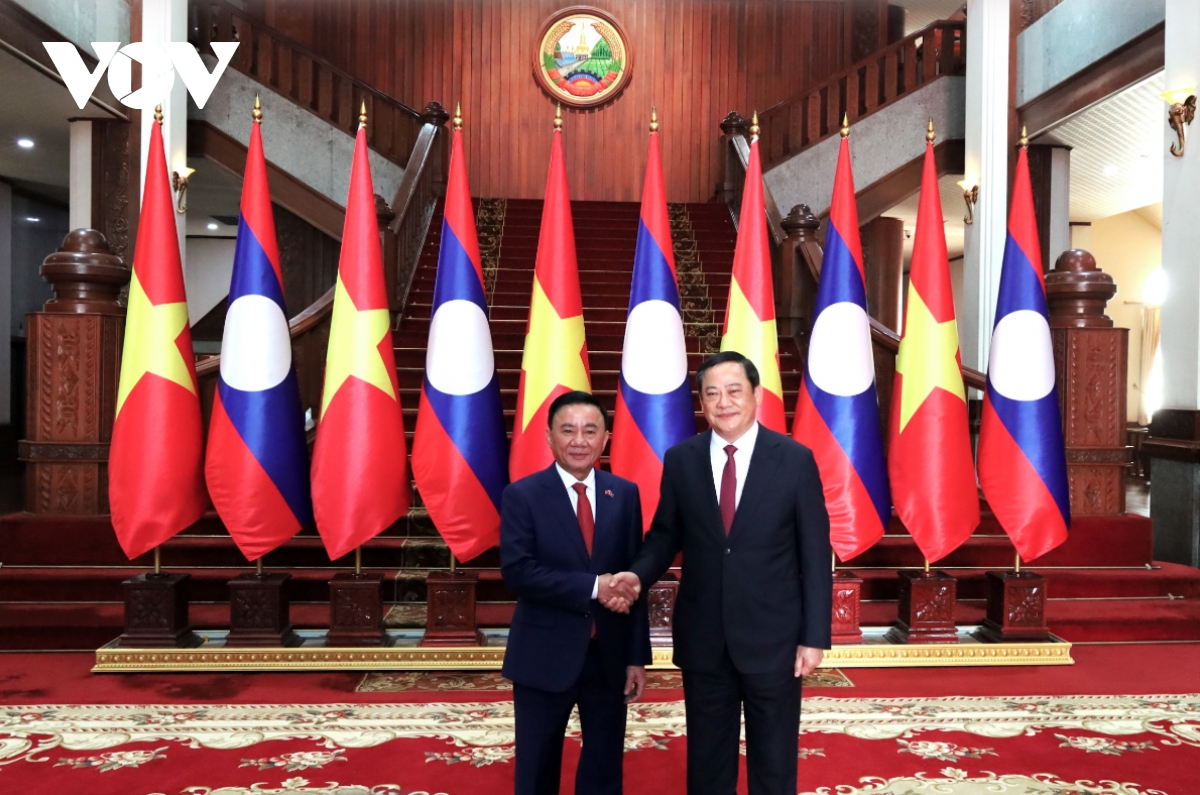
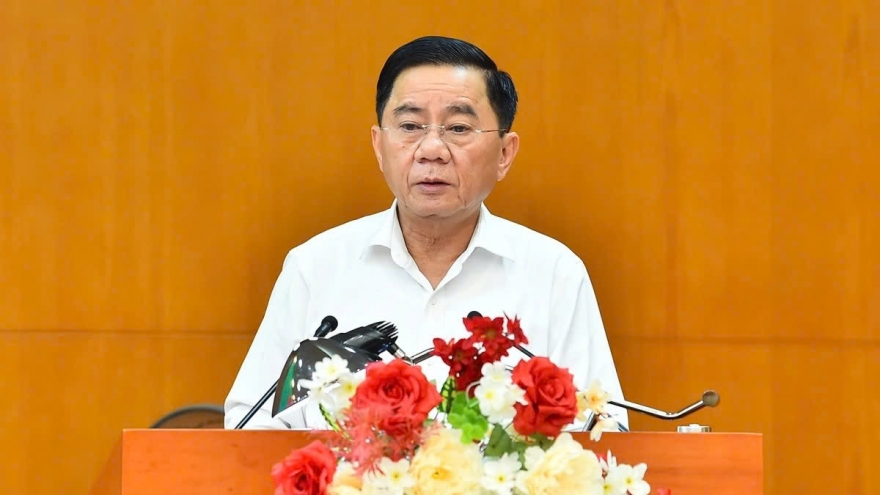
The agreement was highlighted during a meeting in Vientiane on April 9 between Vietnam's Politburo member and Permanent member of the Party Central Committee’s Secretariat Tran Cam Tu and Lao Prime Minister Sonexay Siphandone.
Both sides underscored the importance of boosting economic, trade and investment ties as a central pillar of bilateral relations. They agreed to enhance coordination in implementing key cooperation frameworks, including the 2026 cooperation plan, the 2021–2030 cooperation strategy and the 2026–2030 bilateral cooperation agreement.
A key priority is to strengthen connectivity between the two economies, particularly through major transport infrastructure and strategic energy projects. The two sides emphasised the need to accelerate flagship connectivity initiatives, improve cross-border logistics and create more favourable conditions for trade and investment flows.
The leaders also agreed to better leverage each country’s complementary strengths, aiming to ensure sustainable trade growth and unlock untapped potential in bilateral economic cooperation.
Reaffirming the consistent policy of both Parties and States, the Vietnamese side stressed that the relationship with Laos remains a top strategic priority. Both sides highlighted that elevating ties to a framework of “great friendship, special solidarity, comprehensive cooperation and strategic cohesion” has further strengthened political trust and provided a solid foundation for long-term cooperation.

In addition to economic priorities, the two sides agreed to expand cooperation in education, training and human resource development, with a focus on building high-quality and strategic-level personnel. Cooperation among ministries, sectors and localities, especially border provinces, will continue to be strengthened.
On defence and security, both sides consented to enhance coordination in combating transnational crime, including drug trafficking and cybercrime, contributing to maintaining stability in the region.
They also reaffirmed the importance of maintaining regular high-level exchanges and effectively implementing outcomes of recent high-level meetings, including the annual meeting between the two Politburos in December 2025.
They also agreed to closely coordinate preparations for upcoming major anniversaries, including the 65th anniversary of diplomatic relations in 2027 and the 50th anniversary of the signing of the Treaty of Friendship and Cooperation. These milestones are expected to serve as key opportunities to further strengthen political trust and deepen bilateral ties.
In the context of increasing global uncertainties and strategic competition among major powers, both sides highlighted the need to strengthen solidarity and coordination not only bilaterally but also at regional and multilateral forums.
The meeting reaffirmed both countries’ shared commitment to deepening cooperation in a more substantive, effective and forward-looking manner, contributing to peace, stability and sustainable development in the region.
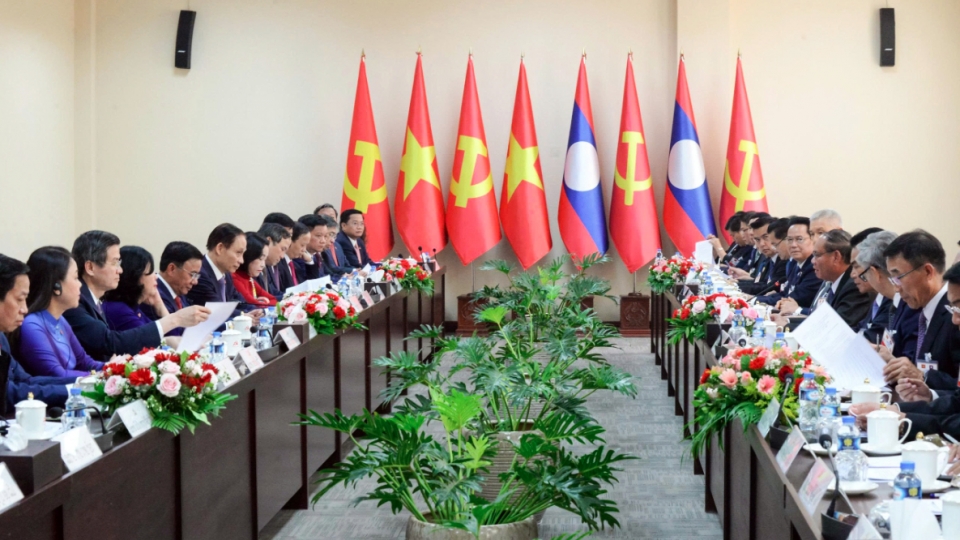
Vietnam and Laos deepen strategic alignment, set cooperation priorities
VOV.VN - Vietnam and Laos have reaffirmed their commitment to deepening strategic alignment and strengthening their special relationship following high-level talks in Vientiane on April 9.