PM explores Russian innovations in nuclear energy, metro systems

VOV.VN - Vietnamese Prime Minister Pham Minh Chinh visited the ATOM Museum and the Joint Operations Centre of the Moscow Metro system on March 24 as part of his ongoing working trip, aiming to explore Russia’s advanced nuclear and urban transit systems.
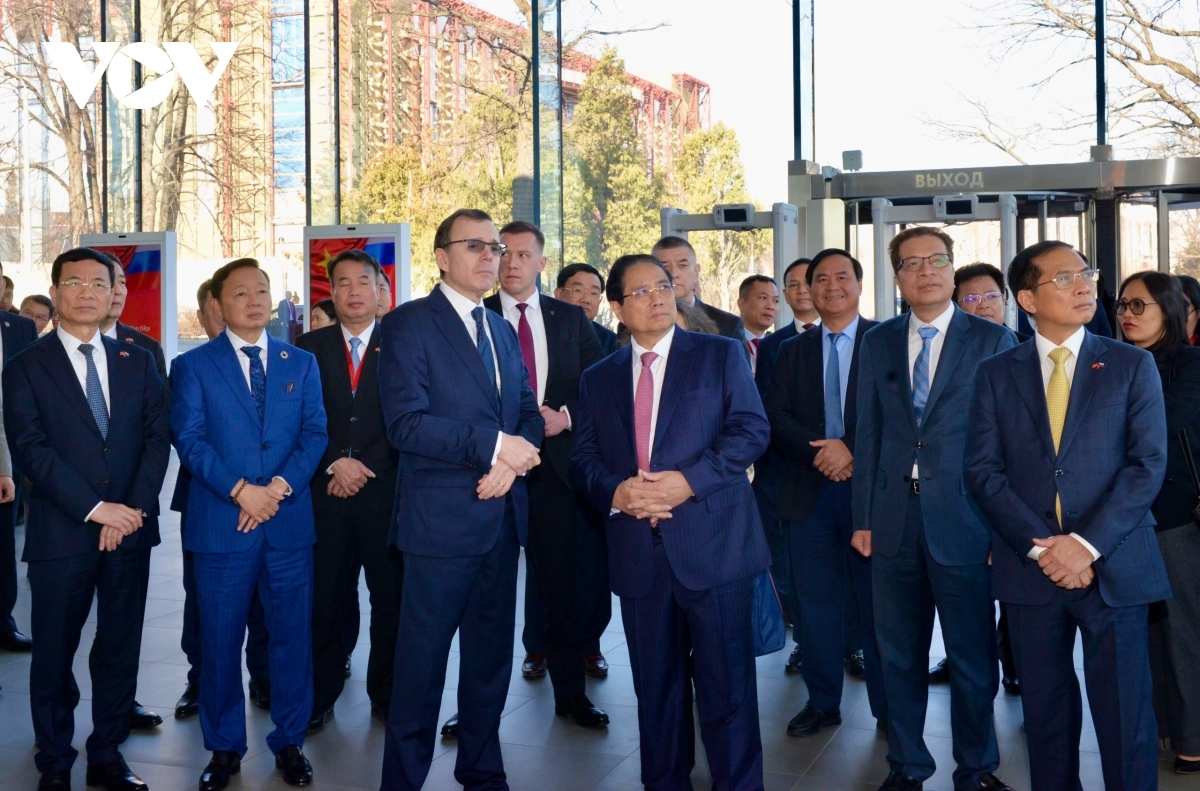
At the ATOM Museum, Russia's largest, most modern exhibition dedicated to the nuclear industry, the Prime Minister toured space areas including Soviet Atomic Projects, Era of Pioneers, and Modern Nuclear Industry, which showcased the evolution of nuclear technology and its applications in energy, medicine, food processing, and agriculture. He expressed admiration for Russia’s achievements in peaceful nuclear energy and highlighted the potential lessons for Vietnam’s own energy strategy.
He emphasised Vietnam’s commitment to sustainable development through science, technology, and innovation, voicing the desire to further expand cooperation with Russia in peaceful nuclear energy, including research and applications in medicine, food, and agriculture.
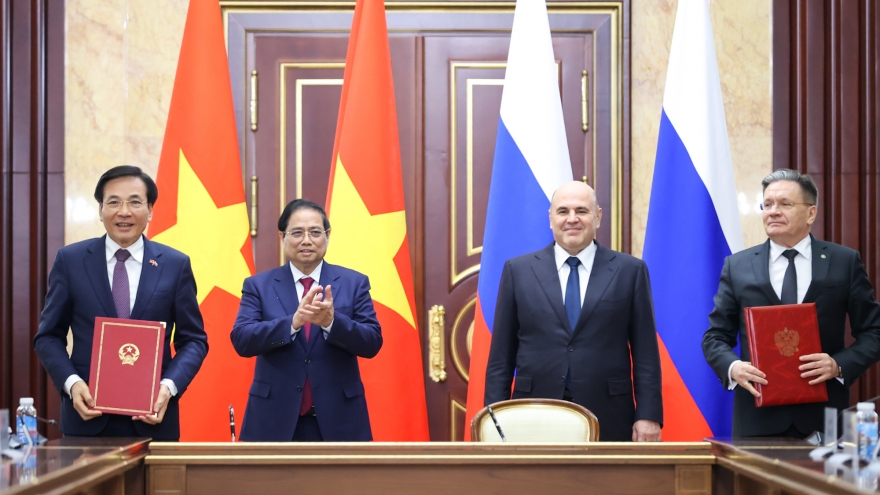
The visit also marked a key milestone in Vietnam-Russia energy cooperation, as the two countries signed an intergovernmental agreement on March 23 to build Vietnam’s first nuclear power plant, a project that aims to ensure long-term energy security for Vietnam’s growing economy.
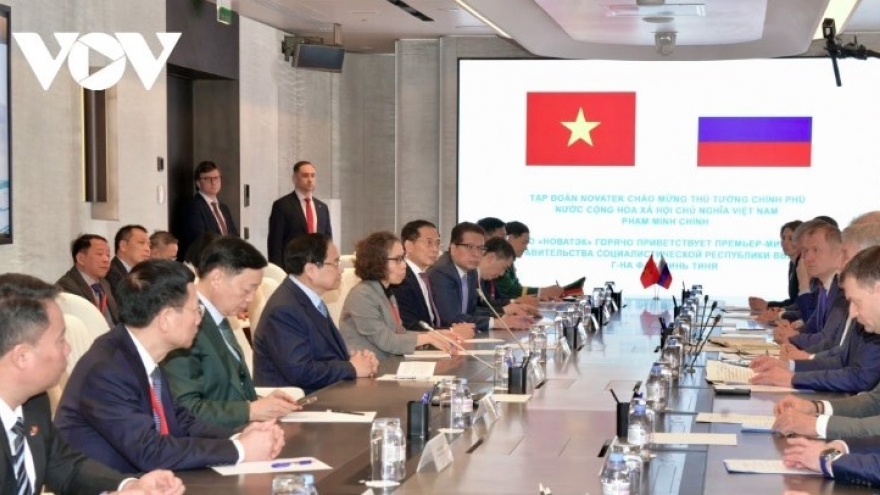
Later, the delegation visited the Moscow Metro Control Centre, where they were briefed on the center’s history, future development plans, and operations. The facility manages 16 control rooms for 16 metro lines, coordinating the entire Moscow Metro system.
Moscow Metro, one of the world’s largest urban transit networks, began operations in 1935. As of December 2024, it spans 466.62 km with 271 stations, making it the longest metro system in Europe and the eighth longest globally. It serves an average of 7.5 million passengers daily, making it the busiest metro system in Europe outside Asia.
Notably, many stations feature elaborate architecture and decoration, often referred to as “underground palaces,” with high ceilings, chandeliers, marble, and intricate artworks. Modern technologies are integrated to enhance passenger experience, making the metro both an efficient transit system and a cultural landmark of Moscow.
Prime Minister Pham Minh Chinh highlighted Vietnam’s strategic infrastructure development, citing urban rail projects in Hanoi and Ho Chi Minh City. He noted that Moscow Metro’s experience offers valuable lessons for planning metro lines, station locations, terminals, administrative buildings, and integration with broader urban and transport networks, supporting Vietnam’s vision for modern, green, and intelligent urban transit systems.
By observing Russia’s nuclear and urban transit innovations firsthand, Vietnam seeks to accelerate its infrastructure modernization, ensuring both energy security and enhanced urban mobility for its rapidly growing cities, as well as reinforcing international cooperation and knowledge exchange in science, technology, and sustainable development.
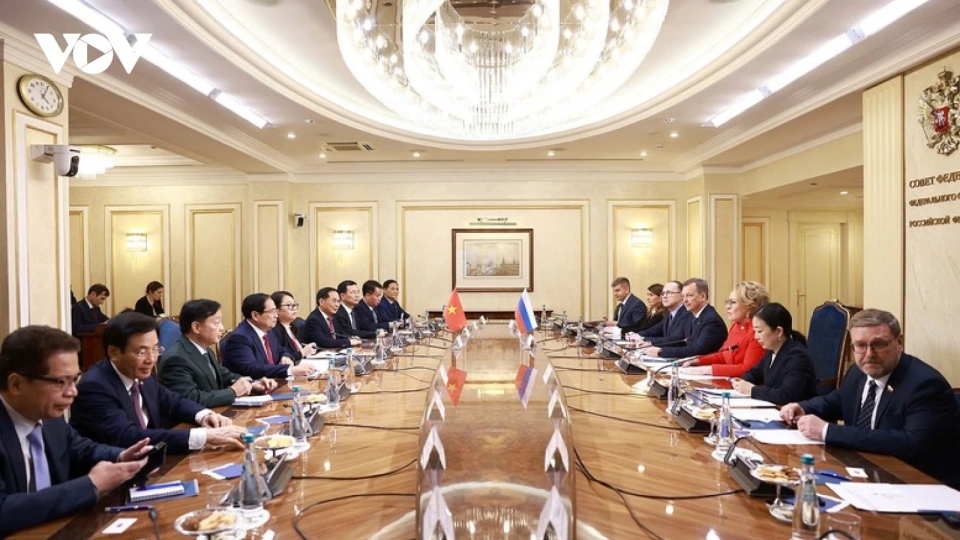
PM meets Russian Federation Council leader, boosts parliamentary cooperation
VOV.VN - Vietnamese Prime Minister Pham Minh Chinh met with Chairwoman of the Federation Council of Russia Valentina Matviyenko in Moscow on March 23, as part of his official visit to the country, reaffirming both sides’ commitment to strengthening parliamentary cooperation and deepening bilateral ties.