Clear transformation signals new development momentum in Vietnam: Russia expert

VOV.VN - According to Dr. Anatoly Sokolov, a researcher at the Russian Academy of Sciences, Vietnam in recent years, particularly since the second half of 2024, has demonstrated clear and tangible transformations in both development thinking and practical action under the leadership of the Communist Party of Vietnam.
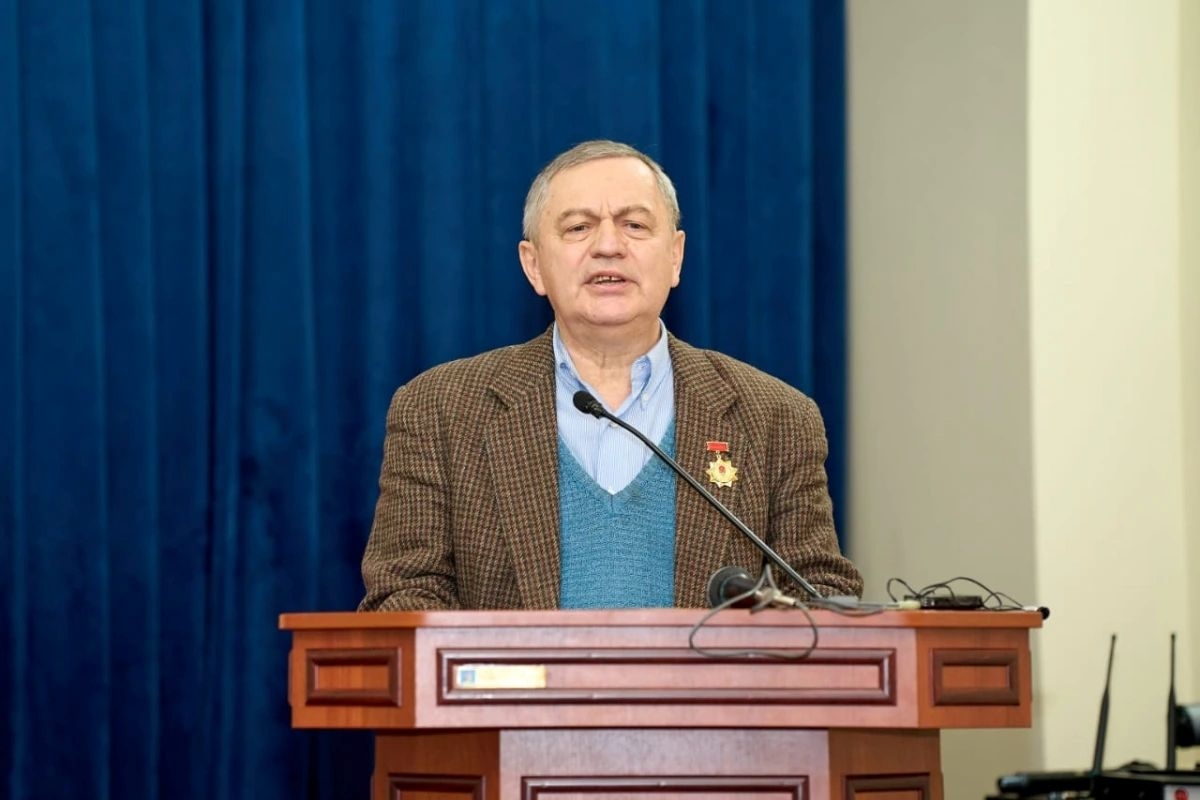
These changes have not only strengthened domestic socio-political stability but have also fostered growing confidence within the international community in Vietnam’s chosen development path, Dr. Sokolov told Moscow-based VOV correspondents in a recent interview.
Assessing Vietnam’s overall development trajectory, Dr. Sokolov said that under the leadership of the Communist Party of Vietnam, the country has recorded numerous important and sustainable achievements. He placed special emphasis on the period since the second half of 2024, when General Secretary To Lam assumed the Party’s highest leadership position. During this period, Vietnam has clearly articulated four major globally oriented development directions, namely promoting innovation, deepening international integration, upholding the rule of law, and strongly developing the private sector.
At the same time, Vietnam has taken decisive steps to streamline the state apparatus and reorganise local administrative units in order to enhance the effectiveness and efficiency of national governance.
Since the 13th Party Congress (2021), Vietnam has faced multiple challenges, both domestically and internationally. However, the country has gradually overcome these difficulties, maintained socio-political stability, preserved public order, and strengthened public trust. Dr. Sokolo quoted Party leader To Lam, saying these outcomes reflect the sound leadership of the Party, the coordinated functioning of the political system as a whole, and above all, the solidarity, resilience and determination of the Vietnamese people during the most challenging moments.
Dr. Sokolov described the 14th National Party Congress that is to take place in Hanoi from January 19-25 as a milestone of strategic significance. The Congress is expected to define socio-economic development orientations and tasks for the 2026–2030 period, while also shaping a long-term vision for national development through 2045.
To achieve these goals, he stressed the need to mobilise all societal strength and resources around three key pillars that are strengthening social solidarity and public trust; enhancing discipline; pursuing breakthrough development; and developing human potential with knowledge as the central foundation.
In his view, this development process requires the proactive and responsible participation of the entire society, from sectors, ministries and localities to every individual citizen, to ensure rapid and sustainable development, safeguard strategic autonomy, and enhance Vietnam’s national standing in a new era.
Dr. Sokolov also praised the strong emphasis placed in the draft documents of the 14th Party Congress on the role of culture, education, science and technology in achieving sustainable development. Institutional frameworks and policies for cultural development have been increasingly refined; cultural institutions are being built and utilised more effectively; cultural and artistic life has become more diverse and dynamic; and cultural industries and markets are gradually expanding in conjunction with deeper international integration.
In particular, the National Target Programme on Cultural Development for the 2025–2035 period has been formulated and implemented, reflecting a long-term vision for the development of the Vietnamese people.
Alongside this, science, technology, innovation and digital transformation continue to be identified as key drivers of growth and national competitiveness. These orientations, he said, demonstrate that the Party and State’s policies on comprehensive human development are becoming increasingly focused, systematic and practical.
On the external front, Dr. Sokolov affirmed that Vietnam remains steadfast in pursuing an independent and self-reliant foreign policy, characterized by diversification and multilateralisation of international relations, and strives to be a reliable partner and a responsible member of the international community. Vietnam’s establishment of diplomatic relations with most countries worldwide, along with its active participation and assumption of important roles at the United Nations and in regional and global mechanisms, reflects the growing level of international trust in Vietnam.
Amid profound and complex global changes, Vietnam’s ability to maintain socio-political stability, achieve dynamic economic development, improve people’s living standards, and continuously enhance its international standing is widely regarded as compelling evidence of the leadership capacity and strategic vision of the Communist Party of Vietnam, as well as the enduring vitality of the country’s socialist-oriented development path.
For these reasons, Dr. Anatoly Sokolov noted, the international community, Russia, is paying close attention to and placing high expectations on the 14th National Party Congress. The successful organisation of the Congress, he said, will not only be of great significance to Vietnam’s future development but could also offer valuable lessons for developing countries seeking development models suited to their own conditions and national identities.

Party documents mark strategic breakthrough in foreign policy thinking
VOV.VN - The draft documents submitted to the 14th National Party Congress Vietnam propose elevating foreign affairs and international integration to the same level as national defence and security, defining them as a “core and regular task” — a move widely seen as a breakthrough in the Party’s strategic thinking.